

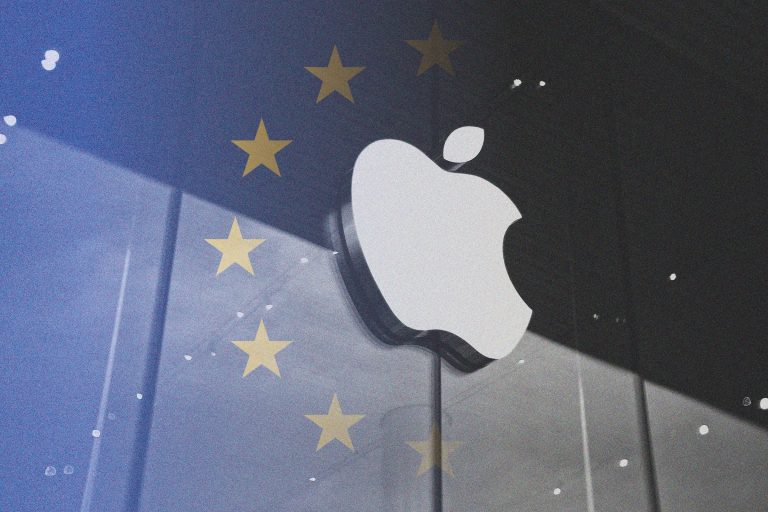
Germany’s Federal Court of Justice (BGH) ruled that Apple holds significant influence across multiple markets and is appropriately subject to heightened monitoring due to competition concerns. This decision upholds a 2023 assessment by the German Federal Cartel Office, which designated Apple as a “company of paramount cross-market significance for competition.” As a result, Apple now faces stricter oversight from German authorities, aligning it with other tech giants like Alphabet (Google’s parent company) and Meta (Facebook’s parent) under Germany’s regulatory framework aimed at curbing market dominance.
The ruling stems from Apple’s powerful economic position and its vertically integrated ecosystem, including the App Store, which acts as a gatekeeper influencing the visibility and success of third-party apps. This designation allows the Cartel Office to potentially prohibit practices deemed anti-competitive, such as favoring Apple’s own services over competitors or tying the use of one Apple product to another.
Apple contested the decision, arguing that it faces robust competition in Germany and that its business model prioritizes user privacy and security—values it believes the court overlooked. However, the BGH rejected Apple’s appeal and declined its request to escalate the case to the European Court of Justice, solidifying the German regulator’s stance.
Register for Tekedia Mini-MBA edition 20 (June 8 – Sept 5, 2026).
Register for Tekedia AI in Business Masterclass.
Join Tekedia Capital Syndicate and co-invest in great global startups.
Register for Tekedia AI Lab.
Apple will now face proactive scrutiny from the German Federal Cartel Office under Section 19a of the German Competition Act (GWB). This means the regulator can intervene earlier and more decisively to prevent anti-competitive behavior, rather than just reacting to violations after they occur. Practices like self-preferencing (e.g., promoting Apple’s own apps over rivals in the App Store) or restrictive App Store policies could be challenged or banned outright.
Apple may need to adjust its ecosystem strategies in Germany, such as loosening control over app distribution, payment systems, or data usage. For instance, rules mandating the use of Apple’s in-app payment system (with its 30% commission) could be deemed anti-competitive, forcing Apple to allow alternatives. This could erode some of its revenue streams and weaken the “walled garden” model that ties users to its services.
While this ruling is specific to Germany, it aligns with broader European Union efforts, like the Digital Markets Act (DMA), which also targets “gatekeeper” firms like Apple. The German decision could embolden other EU regulators to take similar actions, creating a ripple effect across the single market. It might also influence jurisdictions outside Europe, as regulators globally watch how major tech firms are handled.

Smaller app developers and competitors could benefit if Apple is forced to level the playing field. For example, opening up sideloading (installing apps outside the App Store) or allowing third-party payment options could reduce costs and barriers for developers, fostering innovation and diversity in the app market. Users might see more choices and potentially lower prices if competition increases, but there’s a flip side.
Apple argues its closed ecosystem ensures privacy and security—values that could be diluted if it’s compelled to open up. Consumers might face a trade-off between variety and the seamless, secure experience Apple touts. Apple’s failed appeal—and the rejection of its bid to escalate to the European Court of Justice—signals that its legal challenges to such regulations may struggle. This could lead to costly compliance efforts and fines if violations are found, impacting its bottom line in a key market.
The ruling reinforces a growing global trend of reining in Big Tech. With Alphabet and Meta already under similar scrutiny in Germany, this decision underscores that no tech giant is immune, potentially accelerating antitrust actions worldwide. In short, Apple’s designation as a company of “paramount cross-market significance” in Germany could reshape how it operates, challenge its profitable ecosystem, and set a tone for how tech dominance is tackled in the years ahead.
