

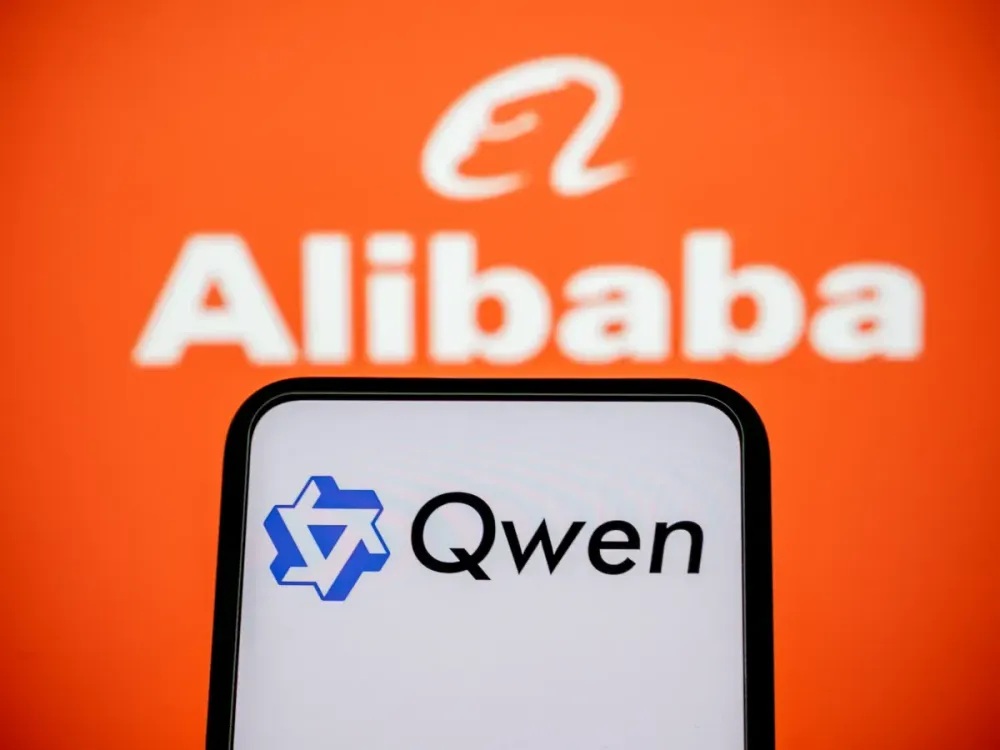
Apple will launch its long-awaited Apple Intelligence services in China in December, ending nearly two years of regulatory uncertainty as the company seeks to expand its artificial intelligence offerings in one of its most important markets through a partnership with Alibaba Group Holding.
The first batch of features will become available to Chinese iPhone users alongside the iOS 27.3 update in December, Apple said in a statement on Saturday. Developers will gain access to an open beta from November 4, allowing them to test the services ahead of the public release.
The initial rollout will include approximately 18 features, covering writing assistance, translation and visual intelligence. Users will be able to summarize and proofread text, translate phone calls and messages in real time, and access visual intelligence tools through their iPhone cameras.
Register for the next Tekedia Mini-MBA.
Register for Tekedia AI in Business Masterclass.
Join Tekedia Capital Syndicate and co-invest in great global startups.
However, the Chinese release will not offer the full range of capabilities available in other markets. Apple said its latest Siri AI capabilities and other next-generation services introduced in September would be excluded from the initial rollout. The company also did not provide a timeline for bringing Apple Intelligence to other Apple devices in China.
The limited launch shows how Apple is adapting its global AI strategy to China’s regulatory environment. While the company has been expanding Apple Intelligence internationally since 2024, its entry into China has required regulatory approval and a local technology partner capable of supporting services within the country’s rules.
A central feature of the China launch will be the integration of Alibaba’s Qwen artificial intelligence model into Apple Intelligence. The partnership will allow users to access Qwen’s capabilities through Apple’s ecosystem, including text generation, image creation, and the analysis of photographs and documents through Siri.

The arrangement gives Apple access to locally supported AI technology while allowing Alibaba to extend the reach of its model through one of the world’s largest smartphone ecosystems.
“We are delighted to cooperate with Apple,” said Eddie Wu Yongming, chief executive of Alibaba, in a statement on Saturday. “Qwen will draw on Alibaba’s deep AI technology stack to deeply integrate into the Apple ecosystem, jointly delivering entirely new intelligent experiences for Apple users in China.”
The partnership offers Alibaba an opportunity to place Qwen in front of a large base of iPhone users without requiring them to adopt a separate AI application. Integration into Apple’s software could also strengthen Qwen’s position in China’s increasingly competitive AI market, where technology companies are seeking wider distribution for their models.

For Apple, the arrangement addresses a critical local requirement. The company can retain control over the iPhone user experience while relying on a domestic AI provider to support features that must operate within China’s regulatory framework.
The partnership also shows that the global AI market is developing along different regulatory and commercial lines. Rather than deploying an identical AI system everywhere, multinational technology companies need to work with local providers to enter markets with distinct rules on data, model deployment, and content.
Regulatory Approval Ends A Prolonged Delay
Apple’s China rollout follows years of regulatory uncertainty. Although Apple Intelligence became available in the United States and other international markets in 2024, the company could not introduce its generative AI services in China without meeting local requirements.
China requires generative AI models deployed in the country to undergo safety reviews by the country’s internet regulator. These rules have created an additional approval process for foreign technology companies seeking to introduce AI services, making partnerships with domestic providers important to market entry.
In July, Chinese regulators granted Apple the long-awaited license to introduce AI services on iPhones in the country. The approval also covered six other smartphone-based AI services, including offerings from Samsung Electronics and Huawei Technologies.
The regulatory clearance removes a major obstacle for Apple, but the exclusion of its newest Siri capabilities indicates that approval for an initial set of features does not translate into unrestricted access to its entire AI portfolio.
The December launch is commercially important because China remains Apple’s second-largest market. The company faces intense competition from domestic smartphone manufacturers, many of which have already incorporated AI features into their devices. Delays in bringing Apple Intelligence to Chinese consumers have left Apple at a disadvantage in a market where AI capabilities are becoming an important part of the smartphone experience.
The introduction of writing assistance, translation and visual intelligence could help Apple narrow that gap. However, the absence of the latest Siri capabilities means the initial release will not deliver the complete AI experience Apple is developing for other markets.
The partnership with Alibaba provides a route into China’s AI ecosystem, but it also creates a dependency on local technology providers and regulatory conditions. Apple’s ability to expand the service, according to experts, is now tied to how quickly additional features receive approval and whether its partners can support the company’s evolving AI requirements.