

Apple may be shifting part of its chip production to the United States as early as 2027, according to prominent supply chain analyst Ming-Chi Kuo.
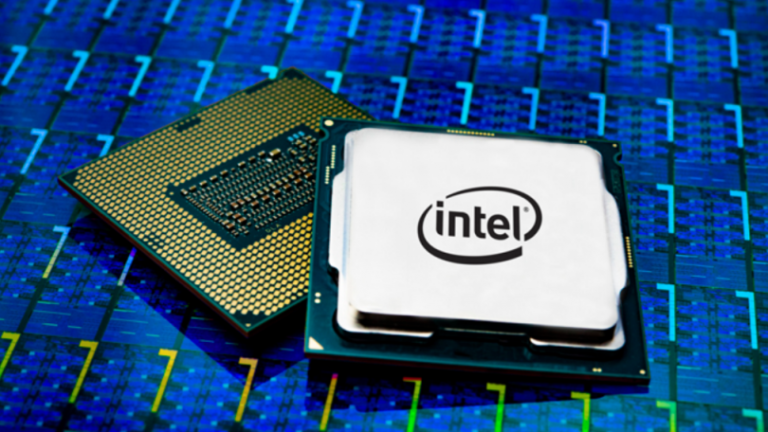
On Friday, Kuo suggested on X that Intel’s chances of becoming a supplier for Apple’s M-series processors “have improved significantly” in recent weeks, potentially marking a major shift in Apple’s chip supply strategy.
Currently, Apple relies heavily on Taiwan-based TSMC to supply silicon chips for its iPhone, iPad, and Mac products. A move to Intel would be historically significant. Intel famously missed out on supplying its own processors for the original iPhone, a setback that shaped the early mobile chip market. Kuo’s report indicates that Apple has signed a non-disclosure agreement with Intel to acquire the 18AP PDK 0.9.1GA chips. At present, Apple is waiting for Intel to deliver the next-generation PDK 1.0/1.1 kit, expected in the first quarter of 2026.
Register for Tekedia Mini-MBA edition 20 (June 8 – Sept 5, 2026).
Register for Tekedia AI in Business Masterclass.
Join Tekedia Capital Syndicate and co-invest in great global startups.
Register for Tekedia AI Lab.
If the process goes smoothly, Intel could begin shipping Apple’s entry-level M-series processor, built on the 18AP advanced node, in the second or third quarter of 2027. However, Kuo emphasized that the timeline depends on the successful delivery and implementation of the PDK 1.0/1.1 kit, which is critical for chip production at scale.
Kuo also theorizes that Apple’s potential partnership with Intel may serve a political purpose: demonstrating commitment to “buying American.” In the context of the Trump administration’s broader push for reshoring and supporting U.S.-based suppliers, sourcing chips domestically could bolster Apple’s image in Washington, while potentially insulating the company from political scrutiny over reliance on foreign suppliers.
For Intel, landing Apple as a customer would be a notable win. Kuo notes that future orders, especially for Intel’s 14A node and beyond, could include Apple as well as other tier-one clients. This could improve Intel’s long-term outlook, helping the company recover from years of production challenges and strategic setbacks in the high-end chip market.

Implications for Apple’s M-Series Line
Using Intel’s 18AP processors for Apple’s lowest-end M-series could have several effects. Firstly, it would diversify Apple’s supply chain, reducing overreliance on TSMC. Secondly, producing in the U.S. could offer benefits in terms of logistics, potential cost efficiencies for certain products, and alignment with political pressures favoring domestic sourcing.
However, the transition comes with risks. Advanced-node chip production is highly complex, and Intel must meet Apple’s rigorous performance and quality standards. Delays in PDK kit delivery or unforeseen manufacturing challenges could push back launch timelines.
Additionally, Intel has limited experience delivering large-scale, high-volume advanced-node processors to third-party clients, making this a test case for the company’s manufacturing capabilities.

A Broader Shift in the Semiconductor Industry
An Apple-Intel partnership would also signal a subtle but important shift in the semiconductor industry. While TSMC dominates advanced-node manufacturing globally, Intel has been aggressively investing in manufacturing technology and capacity expansion in the U.S. Over the next decade, Intel could position itself as a credible alternative supplier for major clients seeking to diversify production and mitigate geopolitical risk.
In short, a deal to supply the 18AP processors for Apple’s entry-level M-series would represent more than a single product supply agreement; it could become a benchmark for Intel’s resurgence in advanced-chip manufacturing and reflect Apple’s broader strategy of supply chain diversification and domestic investment.
However, the key milestone remains Intel’s delivery of the PDK 1.0/1.1 kit in early 2026. Apple’s ability to scale production using the 18AP node will determine whether the second- and third-quarter 2027 target for entry-level M-series chips is realistic. Analysts will also be watching closely for indications of how Apple plans to balance TSMC and Intel supply, and whether the move prompts further reshoring of critical components to the U.S.
While nothing is finalized, the eyes of both investors and the tech community will be on the rollout of Intel’s PDK 1.0/1.1 kit in early 2026, which will set the clock for potential shipments in 2027. If successful, Apple’s collaboration with Intel could reshape the competitive dynamics of the global chip market while reinforcing domestic manufacturing initiatives in the U.S.