

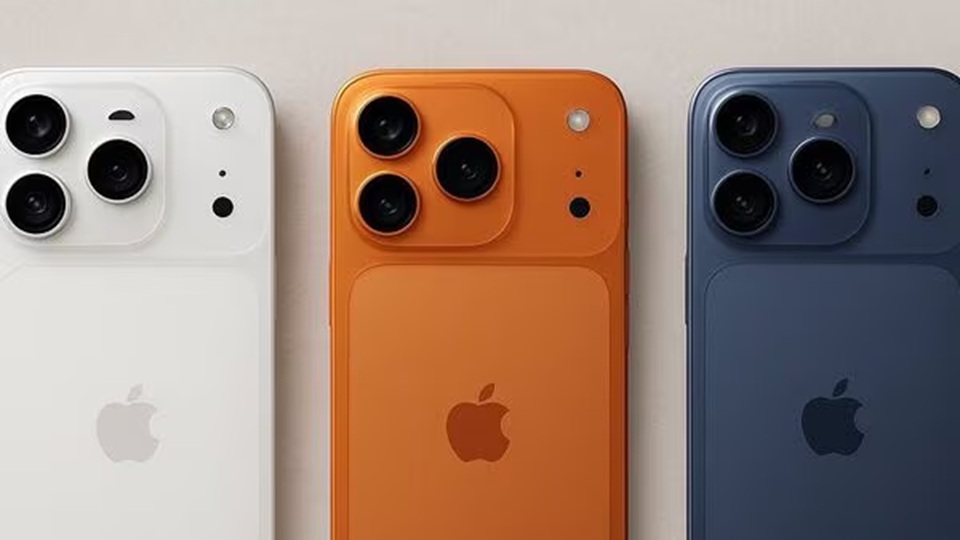
Apple is preparing to launch its next generation of iPhones next month, but the most important story may not be the device’s external design or even the camera upgrades.
Increasingly, the real battle in smartphones is taking place inside the hardware, where artificial intelligence, custom processors, privacy features and on-device computing are reshaping what a phone can actually do.
Apple’s upcoming iPhone generation arrives at a moment when the company is under pressure to demonstrate that its artificial intelligence strategy can translate into products consumers use every day.
Rather than treating AI as a separate application, Apple is attempting to embed intelligence throughout the operating system and hardware. That makes the processor, memory architecture and neural-engine capabilities far more significant than another incremental change to the phone’s appearance.
Register for the next Tekedia Mini-MBA.
Register for Tekedia AI in Business Masterclass.
Join Tekedia Capital Syndicate and co-invest in great global startups.
The shift reflects a broader transformation in the smartphone industry. For years, manufacturers competed primarily on screen quality, camera performance, battery life and industrial design. Those features remain important, but AI is creating a new layer of competition.
Smartphones are increasingly expected to summarize information, understand commands, process images, assist with writing and perform tasks locally while protecting sensitive user data. That direction also intersects with a much larger debate taking place in Washington.
Senator Bernie Sanders has called on leading artificial intelligence companies to pause development, reflecting concerns that the rapid expansion of AI could have consequences extending well beyond technology.

His position focuses attention on questions surrounding employment, corporate power, economic inequality and the possibility that AI systems could advance faster than governments and institutions can regulate them.
The juxtaposition between Apple’s new iPhone and Sanders’ warning is revealing. The same technology that companies are racing to integrate into everyday devices is also becoming the subject of political scrutiny.
AI is no longer simply a research project confined to laboratories. It is becoming infrastructure embedded in smartphones, workplaces, financial systems and consumer services.
For Apple, this creates both an opportunity and a challenge. The company has enormous control over its hardware and software ecosystem, giving it an advantage in deploying AI directly onto devices.

On-device processing can reduce reliance on cloud infrastructure while potentially improving privacy and responsiveness. However, consumers will ultimately judge the technology by whether it provides genuinely useful experiences rather than simply adding another marketing label.
Sanders’ call for a pause raises the opposite question: how quickly should the industry move? Supporters of accelerated development argue that competition is necessary to maintain technological leadership and unlock productivity gains.
Critics fear that companies have powerful incentives to deploy increasingly capable systems before the social consequences are fully understood. Apple’s next iPhone therefore represents more than another annual hardware refresh.
It is part of a transition toward phones becoming increasingly intelligent computing platforms. At the same time, Sanders’ intervention illustrates the growing political resistance to an AI race that many believe is moving too quickly.
The next generation of smartphones may demonstrate how deeply AI has entered everyday life. The bigger question is whether society can establish appropriate boundaries while the technology continues advancing at unprecedented speed.