

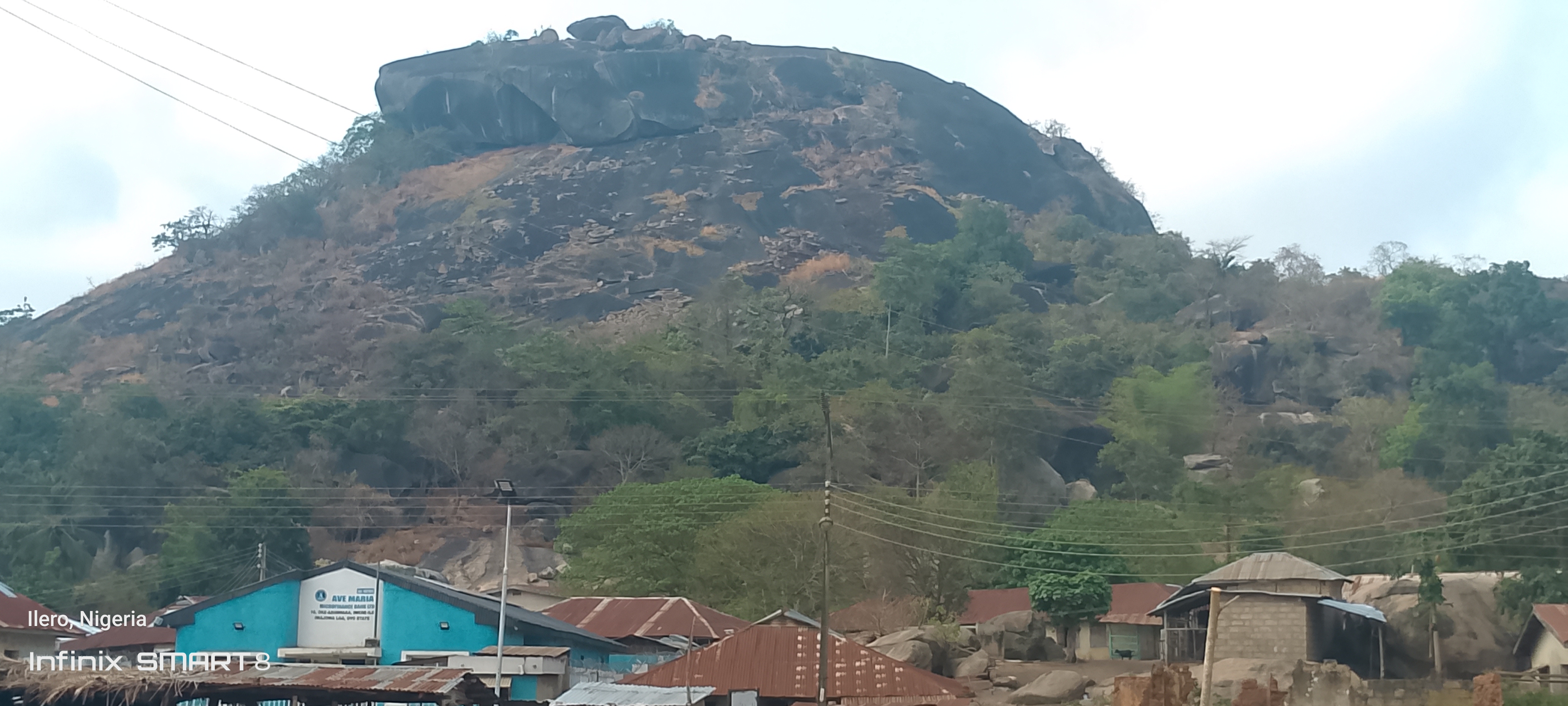
A good researcher is not defined only by well-designed instruments, but by the ability to use them wisely in the field. Designing appropriate tools for data collection is essential, but it is not enough. When data is not collected using suitable techniques and strategies, even the best instruments fail. Yet established rules and procedures are not watertight. Field realities often demand flexibility. A researcher who is too rigid risks losing both access and insight. This reality unfolded vividly during my Oke Ogun Fieldwork Trip, where I was expected to gather security and peacebuilding-related data for a project.
As usual, the first task was to establish contacts across the five selected local governments: Saki East, Saki West, Itesiwaju, Iwajowa, and Olorunsogo. Through professional colleagues and friends, I began the process. Mr. Azeez Abdulwasiu, Chairman of Irawo Owode Community Development, became my first point of contact. In 2024, I had conducted fieldwork in Irawo Owode, collecting socio-economic data aimed at establishing a social and educational resources centre for the youth. Drawing on that previous relationship, Mr. Azeez helped me reach out to initial contacts in the selected local governments.
Then came the first test of adaptability.
Register for Tekedia Mini-MBA edition 20 (June 8 – Sept 5, 2026).
Register for Tekedia AI in Business Masterclass.
Join Tekedia Capital Syndicate and co-invest in great global startups.
Register for Tekedia AI Lab.
None of the five individuals he introduced showed interest in assisting me, despite my explanation of the project’s importance. Some explained that they were no longer residing in the region. What initially appeared to be a simple networking step quickly turned into discouragement.
A pressing question emerged: how do I enter a location I have barely visited, one whose people and hospitality I scarcely know? As doubts accumulated, I remembered colleagues from the University of Ibadan. I reached out and secured three new contacts. However, only one was an indigene of a selected town where data collection would actually take place. Instead of clarity, more uncertainty followed.
For two weeks, the search continued. Eventually, the husband of one of my professional colleagues, a state government worker, activated his local network. Through connections linked to a neighbour who was an indigene of one of the selected towns, five additional contacts were identified. Persistence, not procedure, opened the door.

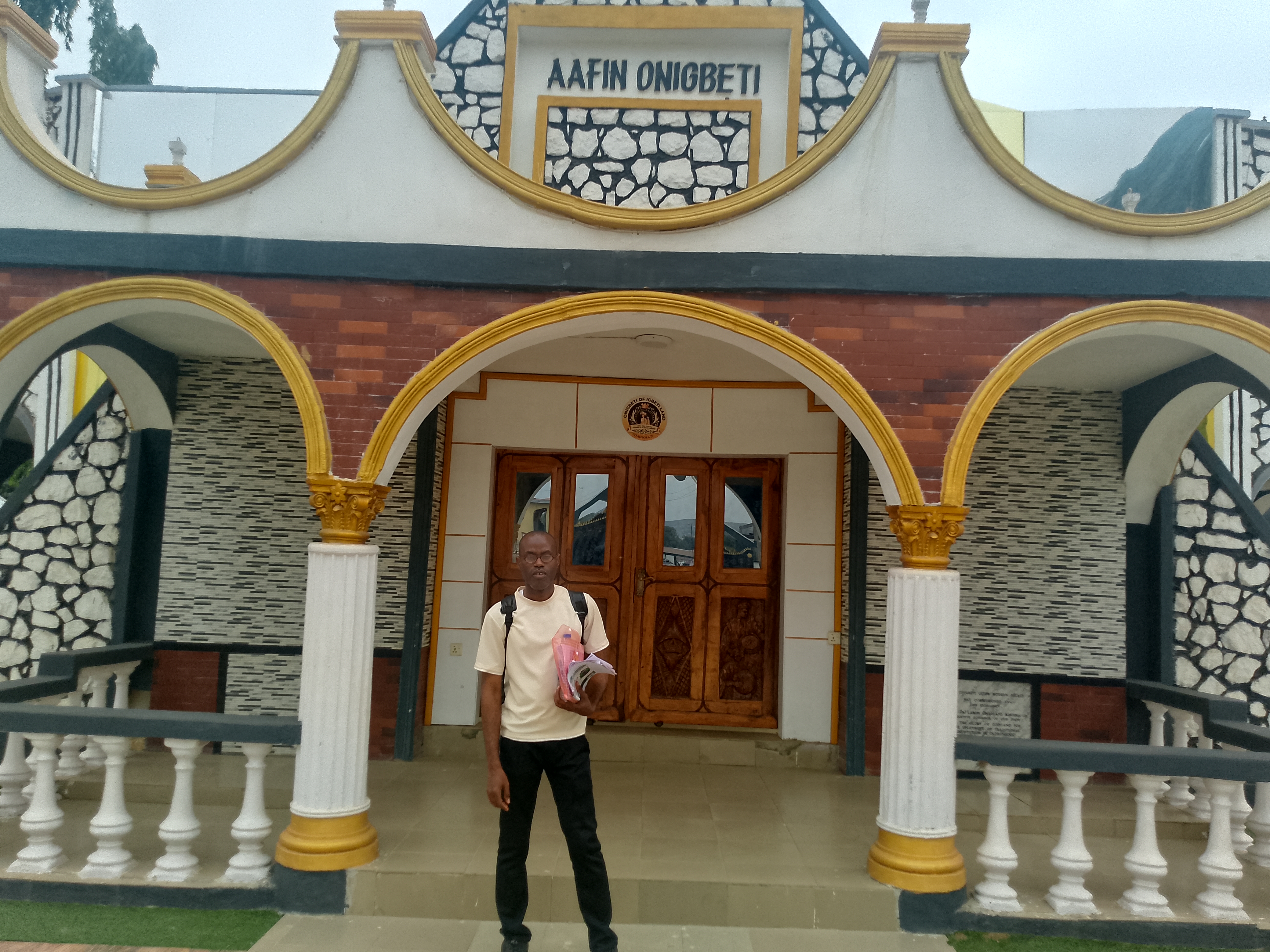
After several days of communication, the journey began on February 3, 2026, with the expectation that the process would now be smooth across all towns. At Igbeti in Olorunsogo Local Government, Prince Fola Adeola played a pivotal role by reintroducing me to a palace worker who significantly shaped the experience. Before my arrival with my Research Assistant, Habeeb Ojelere, the palace worker had already organised participants and ensured their presence at the palace. During the interviews and Focus Group Discussion, Mr. Bosere, another contact, joined and supported the first phase of data gathering.
From Sepeteri to Oje Owode and other locations, the experience remained mixed, marked by both breakthroughs and challenges, indicating that research in Oke Ogun is far from the quiet, orderly life many imagine. It is dusty roads that stretch longer than expected, notebooks stained with red soil, and interviews that evolve into lessons in patience, humility, and survival. Mornings begin before the sun grows unforgiving. By the time one arrives in a community, farmers are already heading to their fields, traders negotiating in markets, and children observing curiously.
Research here does not announce itself with sophisticated equipment or air-conditioned offices. It demands presence. It demands listening.

In Oke Ogun, data is not handed over, it is earned. People want to know who you are, where you come from, and why their stories matter. A questionnaire alone achieves little. Trust becomes the most reliable instrument. Sometimes that trust is built under a mango tree, over shared water, or through conversations that drift beyond the research topic but reveal the realities shaping people’s lives.
The terrain itself enforces resilience. Network failures require reliance on pen and memory. Transportation challenges disrupt carefully made plans. Yet these constraints sharpen observation. One begins to notice how seasons influence livelihoods, how traditions shape decisions, and how distant policy choices quietly affect rural communities.
There are frustrations, interviews interrupted by farm duties, rain erasing a day’s effort, funding stretched thin. Yet there are also profound rewards: when respondents express gratitude for being asked questions no one has asked before, when patterns begin to reflect genuine struggles and strengths, and when research transcends publication and becomes representation.
Being a researcher in Oke Ogun transforms assumptions into understanding. It reveals that knowledge does not reside solely in journals, but in proverbs, farming practices, survival strategies, and collective memory. What may appear rural from afar reveals itself as a complex system of innovation and endurance.