

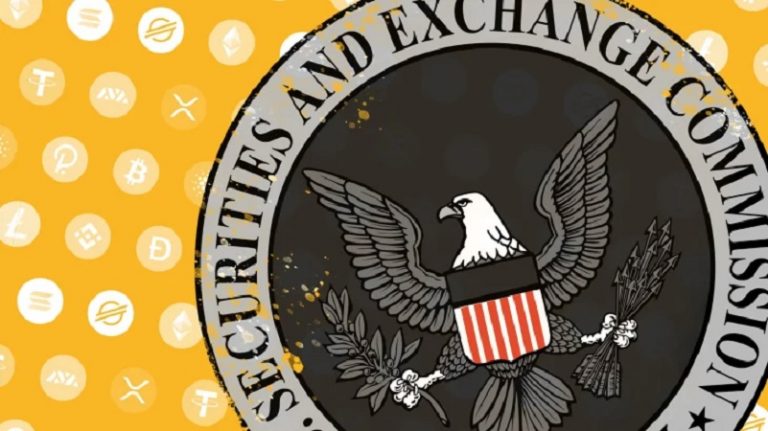
Bitwise Asset Management filed an S-1 registration statement with the U.S. Securities and Exchange Commission (SEC) to launch the first U.S. spot Chainlink (LINK) exchange-traded fund (ETF).
The proposed Bitwise Chainlink ETF aims to track the CME CF Chainlink–Dollar Reference Rate, a benchmark price for LINK, and would provide investors with regulated exposure to the token without requiring direct custody. Coinbase Custody Trust Company is named as the custodian for the ETF, with assets stored in cold wallets and protected by insurance coverage. The fund will support both in-kind and cash transactions for creation and redemption, with shares issued in blocks of 10,000.
This filing follows the SEC’s approval of spot Bitcoin and Ethereum ETFs in 2024 and reflects Bitwise’s broader push to expand crypto ETF offerings, including previous filings for Solana, XRP, Dogecoin, and Aptos.
If approved, the ETF could attract significant institutional and retail investment, potentially boosting LINK’s demand and price, which was trading around $23-$24 at the time of the filing. However, approval is not guaranteed, as the SEC will review the proposal through its standard process, including public comments and possible amendments.
Register for Tekedia Mini-MBA edition 20 (June 8 – Sept 5, 2026).
Register for Tekedia AI in Business Masterclass.
Join Tekedia Capital Syndicate and co-invest in great global startups.
Register for Tekedia AI Lab.
A spot LINK ETF would allow retail and institutional investors to gain exposure to LINK without needing to manage crypto wallets, navigate exchanges, or handle custody risks. This lowers the barrier to entry, potentially attracting a broader investor base, including those unfamiliar with or hesitant about direct cryptocurrency ownership.
The ETF’s structure, tracking the CME CF Chainlink–Dollar Reference Rate and using Coinbase Custody for secure storage, adds a layer of trust and regulatory compliance, appealing to traditional investors. SEC approval of a LINK ETF would signal growing regulatory acceptance of cryptocurrencies beyond Bitcoin and Ethereum.
Chainlink as a key player in the blockchain ecosystem. This could enhance Chainlink’s reputation as a critical infrastructure provider for decentralized finance (DeFi) and tokenized real-world assets (RWAs). Institutional investors, such as hedge funds, pension funds, and asset managers, may allocate capital to LINK through the ETF, increasing demand and liquidity.

ETF approval could drive significant capital inflows, as seen with Bitcoin and Ethereum ETFs, which attracted billions in investments. Increased demand for LINK to support ETF share creation could push its price higher, especially given LINK’s circulating supply of approximately 626 million tokens (as of August 2025).
Historical precedent suggests ETF approvals can lead to price rallies. For example, Bitcoin’s price surged after spot ETF approvals in 2024. LINK, trading around $23-$24 at the time of the filing, could see similar upward pressure if approved.
Chainlink’s role as a decentralized oracle network, providing critical data feeds for DeFi, RWAs, and cross-chain interoperability, could gain further prominence. An ETF would spotlight Chainlink’s utility, potentially accelerating adoption by developers and enterprises, including major players like Swift and DTCC, which already collaborate with Chainlink.

Increased visibility could drive more projects to integrate Chainlink’s services, such as its Cross-Chain Interoperability Protocol (CCIP), further solidifying its market position. The filing alone, even before approval, could spark speculative buying as investors anticipate potential price gains. Posts on X reflect optimism, with some users suggesting the ETF could “pump LINK” due to increased institutional interest.
However, rejection or delays by the SEC could temper enthusiasm, as regulatory hurdles remain a risk, particularly for altcoins like LINK compared to Bitcoin or Ethereum. If approved, the ETF could attract billions in investment, as seen with Bitcoin ETFs ($50 billion in assets by mid-2025) and Ethereum ETFs ($15 billion). Even a fraction of this for LINK could significantly boost its market cap (currently ~$14 billion at $23-$24 per token).
Higher liquidity would reduce volatility and make LINK more attractive for both retail and institutional traders. Retail investors could buy LINK ETF shares through traditional brokerage accounts, driving demand. For instance, the Grayscale Chainlink Trust, which already exists, saw premiums due to limited access; an ETF would offer a more liquid and cost-effective alternative.
Institutional participation could accelerate, as firms hesitant to hold LINK directly may prefer the regulated ETF structure, potentially leading to allocations from crypto-focused funds or broader portfolios. Greater investor interest could translate into more funding for Chainlink-based projects, as higher LINK prices increase the value of Chainlink’s staking and node operator incentives.
Chainlink’s role in tokenized assets (e.g., BlackRock’s BUIDL fund) and DeFi could see increased adoption as ETF-driven visibility highlights its utility, creating a positive feedback loop. The crypto market often reacts strongly to ETF-related news. The filing could trigger short-term price spikes as traders position for potential approval, especially given Chainlink’s strong fundamentals and partnerships.
Long-Term Mainstream Adoption
An ETF could position LINK as a household name among investors, similar to Bitcoin and Ethereum post-ETF. This mainstream exposure could drive long-term demand, especially as Chainlink expands into new use cases like tokenized real estate or supply chain tracking.
The SEC may delay or reject the ETF due to concerns about market manipulation or investor protection, as LINK is less established than Bitcoin or Ethereum. This could dampen short-term traction. Other altcoin ETFs (e.g., Solana, XRP) filed by Bitwise could dilute focus, though Chainlink’s unique oracle use case may give it an edge.
The Bitwise LINK ETF filing is a pivotal development that could catalyze significant traction for Chainlink by enhancing accessibility, legitimizing its role in traditional finance, and driving capital inflows. Approval could lead to price appreciation, increased liquidity, and accelerated ecosystem growth, reinforcing Chainlink’s position in DeFi and beyond. However, regulatory outcomes and market dynamics will play a critical role in determining the extent of this traction.