

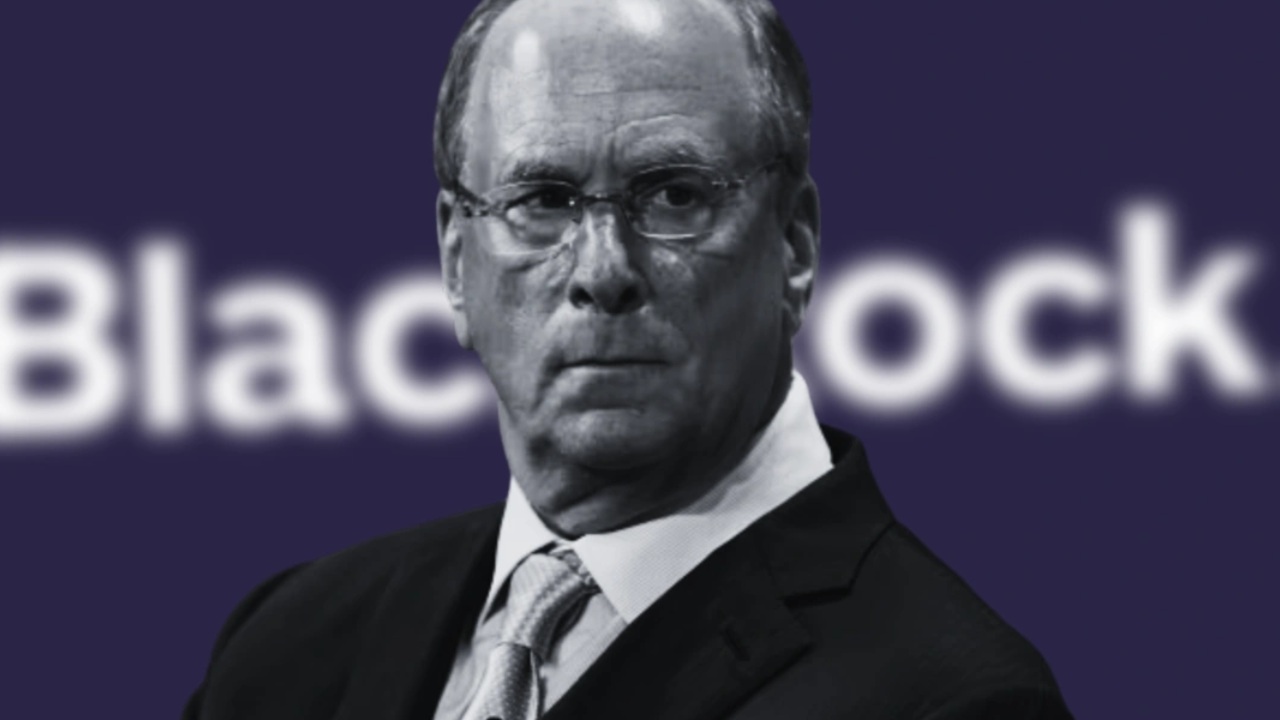
BlackRock has reached a historic milestone, becoming the first investment firm in history to surpass $15 trillion in assets under management (AUM).
The achievement marks not only a defining moment for the company itself but also highlights the increasing concentration of global capital in the hands of a few major asset managers that now wield enormous influence over financial markets.
Founded in 1988 by Larry Fink and several partners, BlackRock began as a risk management and fixed-income investment firm.
Over nearly four decades, it transformed into the world’s largest asset manager through a combination of strategic acquisitions, technological innovation, and expanding investor trust.
Register for the next Tekedia Mini-MBA.
Register for Tekedia AI in Business Masterclass.
Join Tekedia Capital Syndicate and co-invest in great global startups.
Crossing the $15 trillion threshold represents extraordinary growth from the firm’s modest beginnings and underscores the increasing demand for professionally managed investment products.
Several factors have contributed to BlackRock’s meteoric rise. The company has become a dominant player in exchange-traded funds (ETFs) through its iShares platform, which remains one of the largest ETF businesses globally.
ETFs have fundamentally changed how investors access financial markets by providing low-cost, diversified exposure to equities, bonds, commodities, and alternative assets. As both institutional and retail investors increasingly favor passive investment strategies over traditional active management.
BlackRock has been one of the greatest beneficiaries of this structural shift.

The firm’s technological edge has also played a crucial role. BlackRock’s Aladdin platform, a sophisticated risk management and portfolio analytics system, has become deeply embedded across the global financial industry.
Governments, pension funds, banks, and competing asset managers rely on Aladdin to assess risk and manage investment portfolios. This technological infrastructure has further strengthened BlackRock’s position as not merely an asset manager but also a critical financial technology provider.
BlackRock’s rise also reflects broader changes in global wealth accumulation. Pension funds, sovereign wealth funds, insurance companies, and individual investors increasingly seek large, stable institutions capable of managing vast pools of capital across multiple asset classes and jurisdictions.

The firm’s global reach, extensive product offerings, and reputation for risk management have positioned it as a preferred destination for these funds. The milestone also raises important questions about concentration and systemic risk.
With more than $15 trillion under management, BlackRock’s investment decisions can significantly influence stock prices, corporate governance, and capital allocation across industries and countries.
The firm’s voting power in thousands of publicly traded companies has sparked debates about whether a handful of asset managers now possess excessive influence over corporate America and global markets.
Critics argue that such concentration could create vulnerabilities during periods of market stress. A sudden shift in investor sentiment, large-scale redemptions, or disruptions in major asset classes could have ripple effects across the financial system.
Regulators worldwide have increasingly examined whether giant asset managers like BlackRock should face additional oversight due to their systemic importance. BlackRock has continued to expand into emerging sectors, including private markets, infrastructure investments, artificial intelligence, and digital assets.
The company has become a significant participant in the growing tokenization and cryptocurrency sectors, signaling its willingness to adapt to changing financial landscapes. Its entry into Bitcoin exchange-traded products and tokenized finance initiatives demonstrates how traditional finance giants are increasingly embracing digital asset infrastructure.
BlackRock surpassing $15 trillion in assets under management is more than a corporate milestone; it is a reflection of the evolving structure of global finance. The achievement highlights the growing dominance of passive investing, the importance of financial technology, and the increasing concentration of capital within a select group of institutions.
As BlackRock continues to expand its influence, its future decisions will likely shape investment trends, corporate governance, and the broader trajectory of global financial markets for years to come.