

Artificial Intelligence (AI) is transforming nearly every aspect of modern life, from healthcare and finance to transportation and entertainment. As AI technologies continue to evolve at an unprecedented pace, education systems around the world face a critical challenge: preparing students not just to survive but to thrive in an AI-driven future.
Traditional models of education, which were largely designed for the industrial age, must undergo significant transformation to remain relevant in a world where machines can automate routine tasks and generate knowledge at scale. One of the most important changes education systems must embrace is a shift from memorization-based learning to critical thinking and problem-solving.
AI can retrieve facts, analyze data, and even generate written content within seconds.
As a result, the value of simply knowing information is declining, while the ability to interpret, evaluate, and apply knowledge is becoming increasingly important. Students must learn how to ask meaningful questions, assess the reliability of information, and make informed decisions in complex situations.
Register for the next Tekedia Mini-MBA.
Register for Tekedia AI in Business Masterclass.
Join Tekedia Capital Syndicate and co-invest in great global startups.
Digital literacy must also become a foundational component of modern education. Understanding how AI systems work, their capabilities, and their limitations will be as essential in the future as reading and mathematics are today. Students should be taught basic concepts such as machine learning, data privacy, algorithmic bias, and ethical technology use.
These skills will enable future generations to interact with AI responsibly and critically rather than passively accepting its outputs. Equally important is the cultivation of uniquely human skills that AI cannot easily replicate. Creativity, emotional intelligence, empathy, communication, collaboration, and leadership will remain highly valuable in the workforce of the future.
While AI can process information rapidly, it struggles to understand human emotions, cultural nuances, and complex interpersonal dynamics. Education systems must therefore place greater emphasis on arts, teamwork, social development, and experiential learning alongside technical skills.

Personalized learning is another area where education systems can benefit from AI itself. AI-powered educational tools can help tailor lessons to individual students’ learning styles, strengths, and weaknesses. Instead of a one-size-fits-all approach, students can receive customized support that improves engagement and learning outcomes.
Teachers, rather than being replaced, can use these tools to focus more on mentorship, guidance, and fostering deeper understanding among students. Lifelong learning must also become a central principle of education. The rapid pace of technological change means that skills acquired today may become outdated within a few years.
Educational institutions should prepare students for continuous learning throughout their careers. This requires teaching adaptability, curiosity, and self-directed learning habits that enable individuals to reskill and upskill as industries evolve. Furthermore, educational systems must address issues of equity and access.

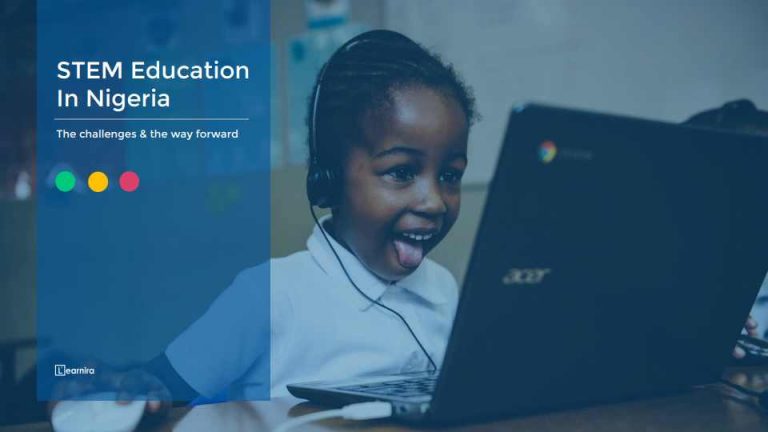
The benefits of AI should not be limited to wealthy schools or privileged communities. Governments, institutions, and technology providers must work together to ensure that all students have access to digital tools, internet connectivity, and quality educational resources. Without inclusive access, AI could widen existing educational and economic inequalities.
The age of AI presents both challenges and extraordinary opportunities.
Education systems that embrace innovation, prioritize human-centered skills, promote digital literacy, and encourage lifelong learning will be best positioned to prepare students for the future. Rather than competing with AI, the goal of education should be to empower individuals to work alongside intelligent technologies, leveraging their strengths while preserving the uniquely human qualities that drive creativity.