

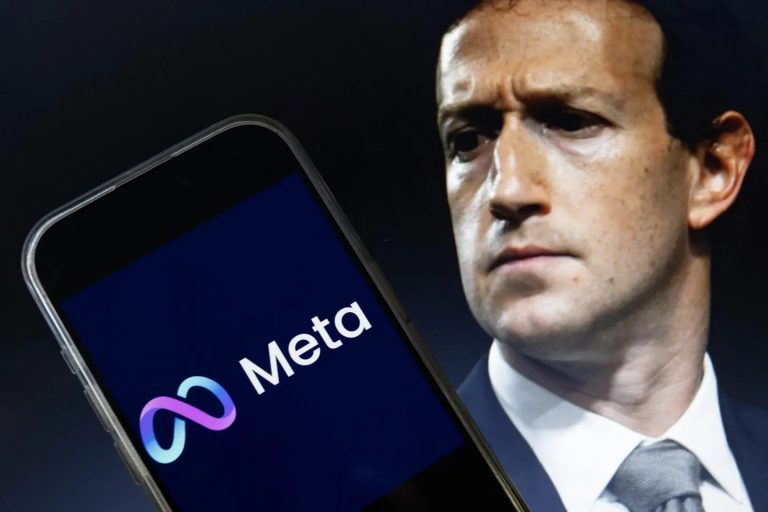
Meta Platforms has been ordered to pay $25 billion in a New Mexico lawsuit over allegations that Facebook misled users about its handling of personal data and failed to adequately prevent misinformation on the platform, exposing the social media giant to a potentially record-setting financial penalty.
The ruling follows a jury verdict last month that found Meta committed nearly 50 million violations of New Mexico’s law prohibiting deceptive trade practices. Each violation carries a potential penalty of up to $5,000, providing the basis for the substantial award.
The case centered on Facebook’s handling of user information that Cambridge Analytica used for political campaign purposes during the 2016 US election. New Mexico alleged that the company misrepresented the extent to which users could control their personal data, raising questions about whether its privacy disclosures accurately conveyed the risks of using the platform.
Register for the next Tekedia Mini-MBA.
Register for Tekedia AI in Business Masterclass.
Join Tekedia Capital Syndicate and co-invest in great global startups.
Judge Francis J. Mathew said in his ruling that the company’s conduct was connected to the way Facebook attracted users and retained their engagement.
“Facebook’s wrongdoing over the course of years and systematically broadcast to the public goes to the heart of Facebook’s core business practices,” Mathew wrote. “It relates to the way in which Facebook induces people onto the platform and ultimately keeps them there.”
The decision could mark the largest penalty in Meta’s history, intensifying legal and regulatory pressure on a company whose business depends heavily on collecting user data, selling targeted advertising and sustaining engagement across its social media platforms.

Meta has indicated it will challenge the outcome. Chief Legal Officer C.J. Mahoney criticized the size and implications of the penalty, arguing that it would make operating in New Mexico extremely difficult.
The penalty, Mahoney said, “makes it all but impossible to do business in the state of New Mexico.”
“At its core, this lawsuit seeks to impose a tax on speech to enforce new rules for what people can say online,” he added. “We are confident we will prevail on appeal.”

The company’s response frames the dispute partly as a question of online speech and the limits of state regulation. The state’s case, however, focused on alleged deceptive trade practices involving user privacy and the company’s handling of misinformation. The legal dispute therefore extends beyond the size of the financial award to questions about how consumer-protection laws apply to the operation of major digital platforms.
The trial included internal communications involving senior Meta executives, including Chief Executive Mark Zuckerberg, who was among those deposed in the case.
Messages presented during the proceedings appeared to show Zuckerberg discussing how users could be given access to privacy controls without being actively encouraged to use them.
“Give them a chance to change their privacy settings but obviously don’t encourage it,” Zuckerberg wrote in one internal message.
The exchange could add volume to the dispute over whether Facebook’s privacy practices matched the impression it gave users about their ability to control personal information. The case underpins, once again, the commercial tension facing advertising-supported platforms: collecting and using data can improve ad targeting and monetization, while meaningful restrictions on data collection may limit some of those capabilities.
The Cambridge Analytica controversy brought that tension into public view after Facebook user data was obtained and used for political campaign purposes. The New Mexico litigation examined the company’s conduct through the lens of state consumer-protection law, alleging that its representations about privacy and its efforts to address misinformation were inadequate.
New Mexico first sued Meta in 2021, and the case went to trial last month. The jury’s finding of nearly 50 million violations established the basis for the judge’s penalty decision, although Meta’s planned appeal could prolong the dispute and potentially alter the final financial consequences.
The case also denotes the difficulty of translating large-scale platform conduct into individual violations under consumer-protection statutes. At up to $5,000 per violation, the statutory maximum creates substantial exposure when alleged deceptive practices affect millions of instances. The size of the award is therefore linked not only to the underlying allegations but also to how violations are counted and penalties applied.
The New Mexico decision comes amid continuing litigation over Meta’s handling of user safety and its responsibilities toward people using its services. Last month, the company settled a child-safety lawsuit brought by a group of US states for $18 billion, according to the supplied report.
The two cases involve distinct allegations and legal claims, but together they illustrate the range of risks confronting large social media platforms, from the use of personal information to the protection of users from harmful content and experiences.