

Recent developments involve a limited, sector-specific trade agreement or preliminary deal between Canada and China, and Canada has explicitly stated it has no intention of negotiating a broader free trade pact.
Earlier in January 2026, Canada and China reached a deal that reduces tariffs in specific areas. This includes Canada lowering tariffs on a quota of about 49,000 Chinese electric vehicles (EVs) to around 6% removing a previous 100% surtax, alongside Chinese concessions like reduced tariffs on Canadian canola and visa-free travel for Canadians.
This is not a full free trade agreement (FTA) but a targeted tariff-reduction pact. U.S. President Donald Trump threatened to impose 100% tariffs on all Canadian goods entering the U.S. if Canada proceeds with or makes any significant “deal with China.”
Register for Tekedia Mini-MBA edition 20 (June 8 – Sept 5, 2026).
Register for Tekedia AI in Business Masterclass.
Join Tekedia Capital Syndicate and co-invest in great global startups.
Register for Tekedia AI Lab.
This appears tied to concerns over China gaining indirect access to the U.S. market through Canada, potentially undermining U.S. tariffs on Chinese goods similar to past USMCA/CUSMA tensions.
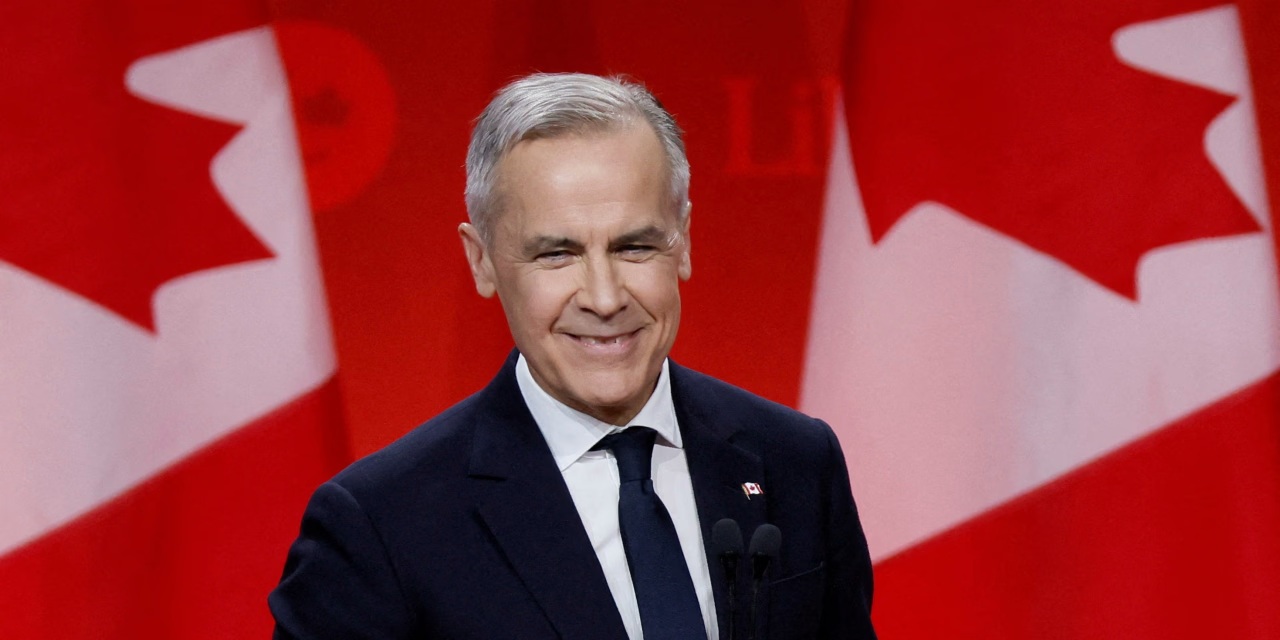
Canadian Prime Minister Mark Carney stated clearly on January 25-26, 2026, that Canada has “no intention” of pursuing a free trade deal with China. He described the recent agreement as limited and not a broad FTA, emphasizing it’s consistent with existing trade frameworks like the USMCA (formerly NAFTA).
This came directly in response to Trump’s threats, effectively ruling out escalation to a full FTA. Canada isn’t abandoning an existing or imminent full FTA because one wasn’t on the table. They’re clarifying no such pursuit exists, likely to de-escalate U.S. tariff risks.

This reflects ongoing trade tensions in North America, with Trump using tariff leverage to influence allies’ dealings with China.
Canada had imposed a 100% surtax (additional duty) on Chinese-made electric vehicles (EVs), on top of the standard most-favoured-nation (MFN) tariff rate. This effectively made the total duty around 106.1% or higher in practice, mirroring or aligning with U.S. measures to restrict Chinese EV imports.
New arrangement
Under the preliminary agreement, Canada will allow a limited quota of Chinese EVs to enter at a significantly reduced rate:Annual quota: Up to 49,000 Chinese-made EVs initially some reports note this quota may increase over time, but 49,000 is the starting cap mentioned.
Tariff rate within quota: Reduced to the standard MFN rate of 6.1% essentially removing the 100% surtax for these units. Vehicles exceeding the quota would likely still face the higher tariffs/surtax, though specifics on over-quota treatment aren’t detailed in public announcements.

This change makes select Chinese EVs like models from BYD, NIO, or others like the Lotus Eletre produced in China much more price-competitive in Canada, potentially cutting landed costs by nearly half in some cases due to the tariff slash.
The EV provision is part of a broader, limited trade reset that includes reciprocal concessions from China, such as: Lowering tariffs on Canadian canola seed to a combined rate of approximately 15% by March 1, 2026 down from previous retaliatory rates around 84% or higher.
Expected visa-free travel for Canadian citizens to China. This is not a comprehensive free trade agreement (FTA) but a targeted, sector-specific deal focused on EVs, agri-food like canola, energy, and people-to-people ties.
Prime Minister Mark Carney has reiterated that Canada has no intention of pursuing a full FTA with China, especially amid U.S. President Trump’s threats of 100% tariffs on all Canadian goods if deeper ties proceed.
The deal aims to reset strained Canada-China relations stemming from past disputes over tariffs, Huawei, and more while staying within existing frameworks like the USMCA to minimize U.S. backlash. Implementation details like exact quota allocation, eligible models, or timelines beyond the initial cap may evolve through further negotiations.