

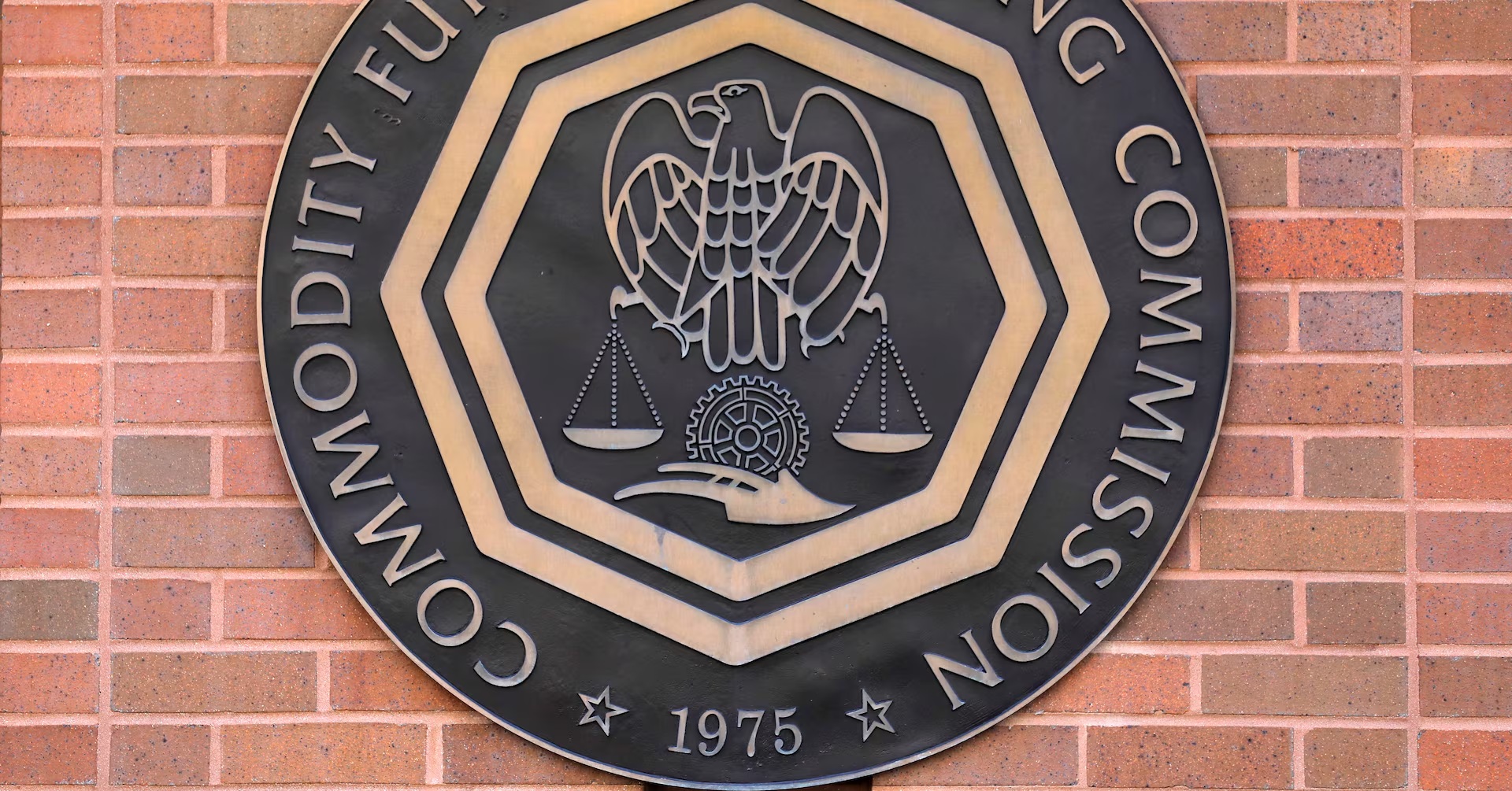
The cryptocurrency industry is facing another significant regulatory shift as Commodity Futures Trading Commission (CFTC) Chair Michael Selig signals that onchain perpetual futures platforms must register as exchanges.
While Coinbase expands its derivatives offerings internationally and prepares to enter the prediction markets business in the United States.
The developments highlight the growing intersection between traditional financial regulation and blockchain-based trading, as crypto companies increasingly seek to bring sophisticated financial products to global users.
Register for the next Tekedia Mini-MBA.
Register for Tekedia AI in Business Masterclass.
Join Tekedia Capital Syndicate and co-invest in great global startups.
Selig’s position on onchain perpetual futures platforms underscores the regulatory pressure facing decentralized trading venues.
Perpetual futures, commonly known as perps, allow traders to speculate on asset prices without holding the underlying cryptocurrency or dealing with traditional futures expiration dates.
These contracts have become among the most popular instruments in the digital asset industry, attracting significant liquidity, trading volume and institutional interest.
However, the regulatory question surrounding decentralized platforms remains contentious. While many onchain perps platforms operate through smart contracts, automated liquidity systems and decentralized governance structures.

Regulators may still consider the businesses behind their operations responsible for complying with existing financial laws. Selig’s comments suggest that the CFTC is increasingly focused on the economic function of these platforms rather than simply the technology used to operate them.
Requiring onchain perpetual futures platforms to register as exchanges could significantly reshape the sector. Registration typically involves compliance obligations covering market surveillance, reporting, customer protections, operational standards and financial requirements.
Platforms that fail to meet these standards could face enforcement actions or restrictions on their operations, particularly if they serve American customers.

The regulatory position could also encourage decentralized trading platforms to reconsider their operational structures, geographic exposure and compliance strategies.
While some platforms may attempt to restrict access to US users, others could explore registration pathways or partnerships with regulated entities to maintain access to the American market.
Meanwhile, Coinbase is expanding its crypto options trading services to users outside the United States, signalling another step toward becoming a broader financial trading platform.
Options allow traders to hedge portfolios, speculate on price movements and manage risk through contracts that provide the right, but not the obligation, to buy or sell assets at predetermined prices.
The expansion strengthens Coinbase’s international derivatives ambitions, potentially attracting experienced traders seeking more sophisticated financial instruments.
The company also plans to introduce options trading to American customers, although the rollout will depend on regulatory approvals and operational preparations.
Beyond options, Coinbase is targeting the prediction markets sector, with plans to launch its own prediction market contracts in the United States during the first half of 2027.
Prediction markets allow participants to trade contracts linked to the outcomes of elections, economic indicators, sporting events and other developments.
The move places Coinbase in competition with platforms such as Kalshi and Polymarket, which have attracted growing attention and trading activity.
Prediction markets have increasingly become a source of real-time information, with participants using financial incentives to express expectations about future events.
Selig’s regulatory stance and Coinbase’s expansion illustrate an industry undergoing rapid transformation.
As regulators seek greater oversight of financial activities conducted on blockchain networks, exchanges are simultaneously diversifying into options, perpetual futures and prediction markets.
The outcome could determine how digital asset trading evolves, whether decentralized platforms adapt to traditional regulatory frameworks and how crypto companies compete for the next generation of financial market participants.