

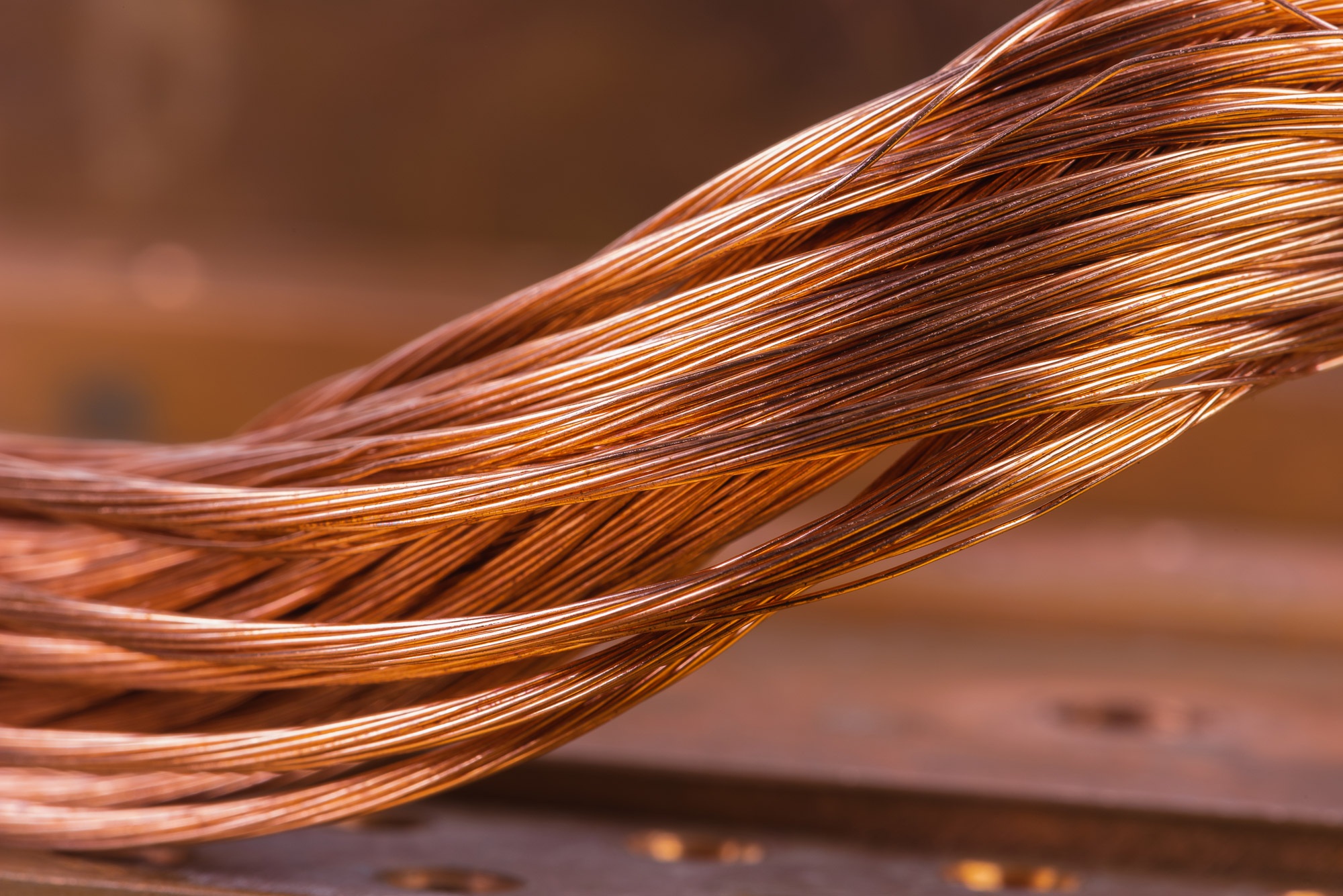
Copper has reached a new all-time high, surpassing $12,000 per metric ton on the London Metal Exchange (LME) for the first time ever. Prices hit a peak of around $12,159.50 per ton on December 23, driven by: Tight global supply from mine outages in Chile, Peru, and Indonesia.
Pre-emptive stockpiling in the US ahead of potential tariffs. Strong long-term demand from EVs, AI data centers, and renewable energy infrastructure. This marks the highest level on record, with copper up nearly 40% year-to-date — its biggest annual gain since 2009.
In US terms, COMEX copper futures are trading around $5.50–$5.56 per pound, also near record levels. Gold has crossed $4,500 per ounce, smashing through this milestone with spot prices reaching just below or above $4,500 reports vary slightly between ~$4,489 and $4,500+ in recent sessions.
Register for Tekedia Mini-MBA edition 20 (June 8 – Sept 5, 2026).
Register for Tekedia AI in Business Masterclass.
Join Tekedia Capital Syndicate and co-invest in great global startups.
Register for Tekedia AI Lab.
It set fresh records multiple times this week, fueled by: Safe-haven buying amid escalating geopolitical tensions like the US-Venezuela issues. Expectations of further Fed rate cuts, Robust central bank purchases and a weakening US dollar.
Gold is up about 70% in 2025, on track for its strongest yearly performance since 1979. Both metals are rallying in tandem this holiday week, reflecting a mix of industrial demand, supply constraints, policy uncertainty, and flight-to-safety flows.
Electric vehicles (EVs) require significantly more copper than traditional internal combustion engine (ICE) vehicles due to their reliance on electricity for propulsion, power management, and energy storage.
Copper’s excellent electrical conductivity, thermal properties, durability, and malleability make it irreplaceable in key components—substitutes like aluminum are less efficient and often require larger volumes. A typical ICE vehicle uses 20–25 kg (44–55 lbs) of copper, mostly in wiring, radiators, and basic electrical systems.

This difference arises because EVs replace mechanical systems with electrical ones, demanding extensive copper for efficient power delivery. Windings in the stator and rotor use copper wire—up to a mile (1.6 km) of copper wiring in some motors.
Permanent magnet or induction motors rely heavily on copper for efficiency and torque. Battery Pack: Copper foil as current collectors (anode side). Busbars, connectors, and interconnects for high-current flow between cells. Extensive high-voltage cabling, inverters, converters, and onboard chargers.
EVs have far more electrical components like sensors, infotainment, regenerative braking than ICE cars. Thermal management— like cooling systems, brakes, and auxiliary systems are inherent. EV adoption also boosts copper use in: charging stations: Cables, connectors, and internal wiring, fast chargers use more.
Grid upgrades: Transformers, cables, and substations to handle increased load. Projections show charging infrastructure alone could demand hundreds of thousands of tonnes annually as stations proliferate.

EVs are a major driver of copper’s bullish outlook amid the energy transition. Global EV-related copper demand was minimal a decade ago but has surged. EV sector demand could exceed 2.5–2.8 million tonnes by 2030 from ~0.5–1 Mt today, even as per-vehicle usage slightly declines due to efficiency gains such as lighter wiring, better designs.
This represents 8–10% of total global copper demand by 2030, up from <2% now. Combined with renewables (solar/wind) and data centers/AI, clean energy could drive copper demand growth of 50–100% by mid-century.
The rapid rise in EV sales—despite recent slowdowns in some markets—ensures strong structural demand, contributing to tight supply and record prices. Copper truly powers the shift to electrified transport.
Silver has also hit records above $70/oz in sympathy. It’s been an epic year for commodities — merry Christmas to the bulls.