

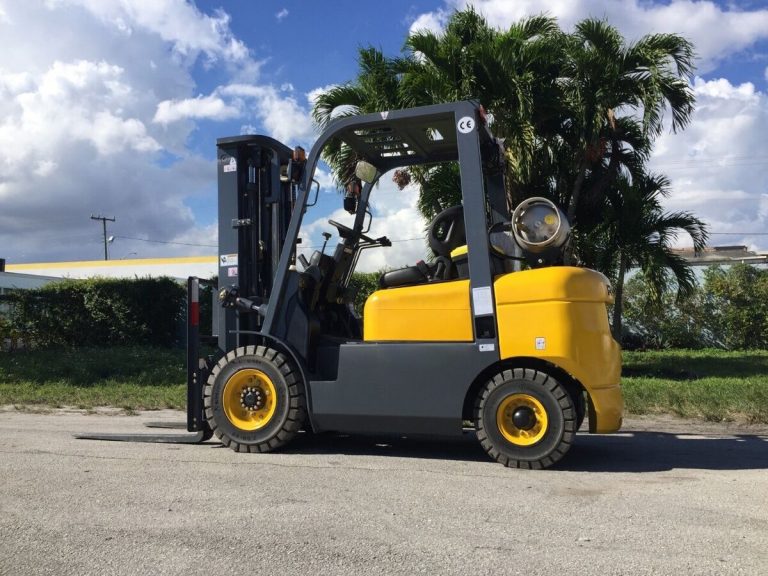
LPG (Liquefied Petroleum Gas) forklifts offer significant cost advantages over traditional gasoline-powered models across several key areas. For businesses looking to optimize their material handling operations, the switch to LPG can yield substantial savings while maintaining high performance standards.
Fuel Cost Savings
LPG typically costs 30-40% less per operational hour compared to gasoline. A medium-duty forklift running on gasoline might consume $12-15 worth of fuel per 8-hour shift, while an equivalent LPG model would use only $7-9 worth of fuel for the same period. For a fleet of just five forklifts operating daily, this represents potential annual savings of $15,000-$20,000.
Maintenance Cost Reduction
LPG forklifts experience less engine wear due to cleaner combustion. This regulator, the Impco Model J, is particularly effective at delivering consistent fuel flow that reduces carbon buildup and extends engine life. The reduced carbon deposits translate to:
- 20-30% fewer oil changes
- Extended spark plug life
- Less frequent tune-ups
- Reduced engine component replacement
These maintenance advantages typically save operators $800-1,200 per forklift annually compared to gasoline models.
Operational Efficiency
LPG forklifts provide several operational benefits that translate directly to cost savings:
- Quick refueling (2-3 minutes to swap tanks vs. 10+ minutes for refueling)
- No fuel spillage waste or cleanup costs
- Less downtime for repairs
- Consistent power output throughout tank usage
Extended Equipment Lifespan
The cleaner-burning properties of LPG contribute to an average 15-20% longer service life for the forklift. With proper maintenance, an LPG forklift can remain operational for 12,000-15,000 hours versus 10,000-12,000 for comparable gasoline models, representing thousands in delayed replacement costs.
Total Cost of Ownership
When calculating the total five-year cost of ownership for a medium-duty forklift:
- Gasoline forklift: Approximately $65,000-75,000
- LPG forklift: Approximately $52,000-60,000
This represents potential savings of $13,000-15,000 per unit over this period.
Environmental Compliance Cost Avoidance
LPG forklifts produce fewer emissions, helping businesses avoid potential non-compliance penalties in jurisdictions with strict environmental regulations. They produce approximately 60% less carbon monoxide than gasoline counterparts, with significantly reduced particulate matter and nitrogen oxide emissions.
For businesses considering their material handling equipment options, the switch to LPG forklifts presents a compelling financial case alongside operational and environmental benefits, making them an increasingly popular choice for warehouse and logistics operations.