

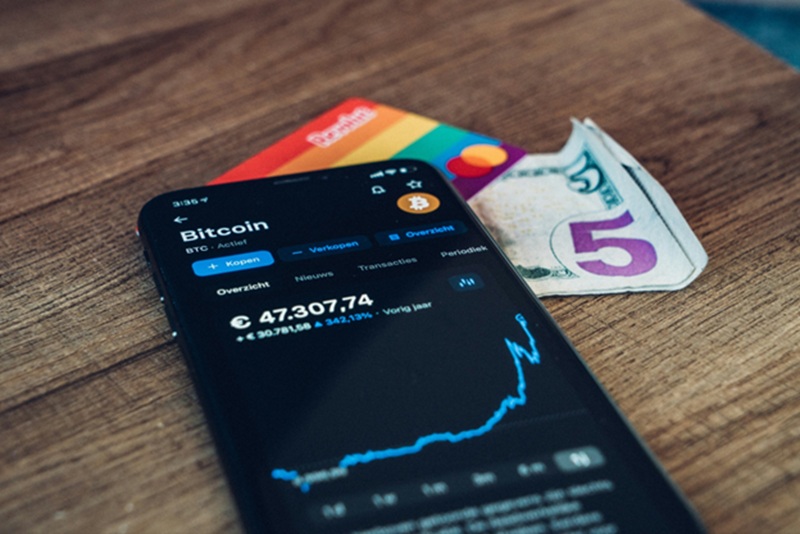
The crypto market is showing renewed signs of optimism as Bitcoin resumes its upward momentum, pushing the Crypto Fear & Greed Index sharply higher and signaling a significant shift in investor sentiment.
The Crypto Fear & Greed Index surged to 62 on August 20, 2026, moving firmly into “Greed” territory after sitting at 46 the previous day. The 16-point rise marked one of the sharper single-day sentiment shifts of the year and reflected a rapid change in market mood.
The move came as Bitcoin climbed more than 8 percent, pushing past the $69,000–$72,000 range, while Ethereum posted gains near 18–20 percent.
Register for the next Tekedia Mini-MBA.
Register for Tekedia AI in Business Masterclass.
Join Tekedia Capital Syndicate and co-invest in great global startups.
The move suggests that traders are becoming increasingly confident in the market’s recovery, with renewed buying pressure helping to revive bullish sentiment across the broader cryptocurrency market.
The broader crypto market capitalization rose alongside the price action. Heavy short liquidations totaling roughly $1.44 billion amplified the rebound, as traders who had bet on further declines were forced to cover positions.
The Fear & Greed Index, published by Crypto Fear & Greed Index, combines several data points including volatility, trading volume, social media activity, and market momentum.

Readings above 50 signal greed; scores near 25 or below indicate extreme fear. The sudden climb from neutral-to-fear levels into clear greed territory showed how quickly sentiment can reverse when prices break higher and leveraged positions unwind.
Market participants noted that a reading of 62 remains moderate rather than extreme. While it confirms improved confidence after a period of caution, such levels have historically appeared during both sustained rallies and short-lived relief moves.
This comes as Bitcoin breaks through the $75,000 line, a high the cryptocurrency market has not seen in over three months. According to a report, BTC is up more than 8.9% over the past 24 hours, currently trading at $75,560.

The main driver behind this rally is clear: the U.S. Treasury Department’s announcement to at least double the size of liquidity support buyback operations for longer-dated nominal coupon securities across the 10- to 30-year segment.
This was coupled with a few more positive catalysts, including the SEC’s latest crypto proposal and a White House meeting with President Donald Trump and prominent crypto executives.
This led to a surprise rally that liquidated over $2.75 billion in bitcoin shorts on Wednesday.
As bitcoin continues to rally, short liquidations continue — in the past 24 hours, another $783.2 million in bitcoin positions were liquidated, with $747.7 million of that being short positions, according to Coinglass data.
Dominick John, analyst at Zeus Research, said the shorts wipeout will continue to push prices higher for the time being, but also use up a major source of forced buying.
Also, amidst Bitcoin’s rally, VanEck’s Matthew Sigel says the crypto asset is finally acting like the hedge it was built to be. Sigel, head of digital asset research at VanEck, ties the move to fears over US fiscal policy rather than pending crypto legislation. Traders continue to watch whether the price strength holds and whether capital rotates more broadly into altcoins.
Looking Ahead
The outlook for Bitcoin and the broader crypto market has consequently turned more bullish, but traders remain cautious about whether the current momentum can be sustained.
The immediate focus is likely to remain on whether Bitcoin can hold above $75,000 and establish the level as a new support zone.
A sustained move above this threshold could strengthen bullish sentiment and potentially open the door to another leg higher, particularly if institutional demand and market liquidity continue to improve.
The Fear & Greed Index will also be an important indicator to watch. A further move toward extreme greed could signal growing investor confidence, but it could also indicate that the market is becoming increasingly crowded and vulnerable to a pullback.