

The cryptocurrency sector did endure a sharp sell-off in late October and early November, wiping out over $1.3 trillion in total market capitalization—from a peak near $4.2 trillion to a low of around $3 trillion by mid-November.
This downturn was exacerbated by leveraged liquidations totaling nearly $829 million in a single day, doubts over U.S. Federal Reserve rate cuts, and broader risk aversion spilling over from equities.
Bitcoin (BTC), the market bellwether, plunged from an all-time high of approximately $126,000 in early October to lows around $80,600–$81,800 by November 21, erasing all its 2025 gains at one point and dipping nearly 30% from its peak.
However, the past week has brought tentative relief, with initial stabilization and a modest rebound. The total crypto market cap has hovered around $3.09–$3.19 trillion, up slightly from its recent nadir, reflecting a 0.4–0.8% daily dip on November 28 but overall consolidation.
Register for Tekedia Mini-MBA edition 20 (June 8 – Sept 5, 2026).
Register for Tekedia AI in Business Masterclass.
Join Tekedia Capital Syndicate and co-invest in great global startups.
Register for Tekedia AI Lab.
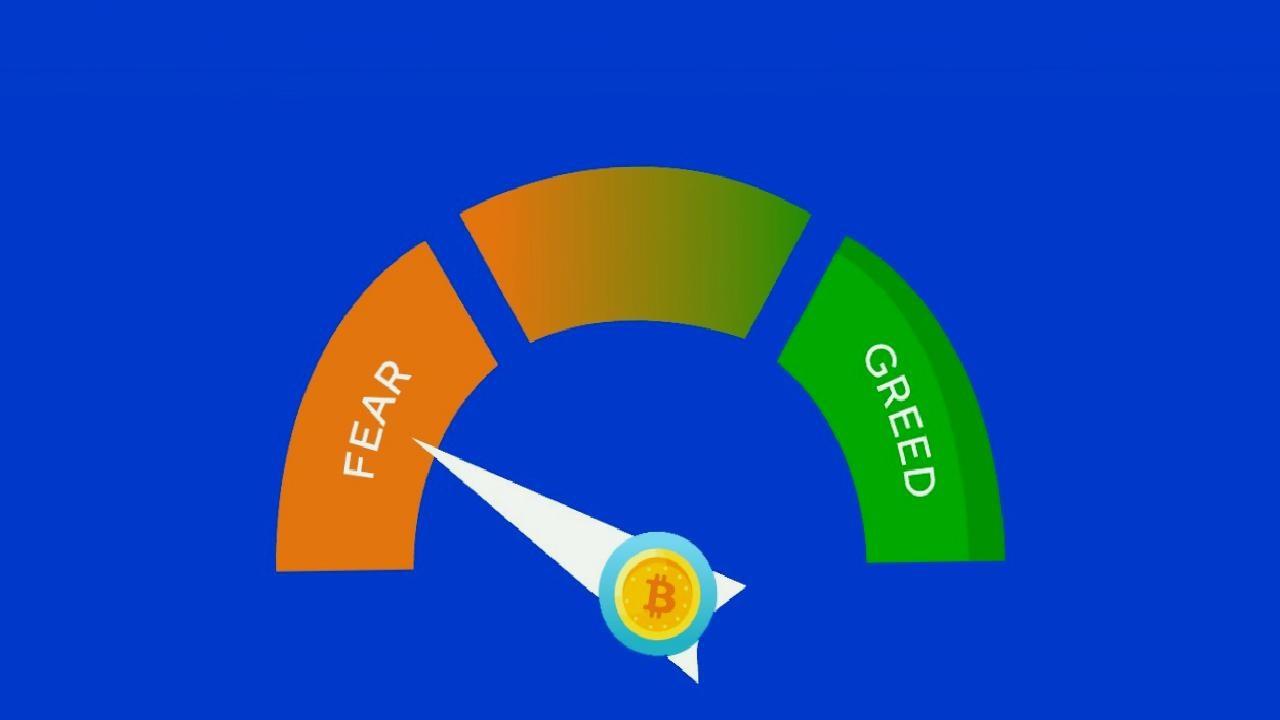
BTC has clawed back to $91,000–$94,900, staging a 3–5% recovery in the last few days, supported by easing bearish pressure in options markets and a shift in sentiment from “extreme fear” to “fear” on the Crypto Fear & Greed Index.
Ethereum (ETH) has followed suit, stabilizing near $3,000 after testing $2,728 lows, while altcoins like Solana (SOL) and XRP show mixed but improving signals. Renewed optimism around an 85% probability of a December Fed rate cut has bolstered risk assets.
With the S&P 500’s historic 5% November reversal adding $2.75 trillion in value spilling positive momentum into crypto. This has helped BTC dominance hold at ~57%, underscoring its role as a safe haven within the sector.

U.S. spot BTC ETFs saw $151 million in outflows on November 25 but have cumulatively netted $60.28 billion year-to-date, signaling sustained long-term interest despite short-term jitters. ETH ETFs flipped to inflows $96.67 million on the same day, and Solana ETFs added $9.7 million.
Short-term holder capitulation has eased, with oversold momentum indicators (e.g., RSI) flashing early recovery signals. Leverage unwinds from the sell-off appear contained, avoiding a deeper “crypto winter.”
Stablecoins like Tether (USDT) and USDC maintain $184 billion and $76 billion in market caps, respectively, providing liquidity buffers during volatility. Regulatory developments, such as the EU’s new crypto data-sharing rules, add compliance headwinds but haven’t derailed the rebound.

Cautiously Bullish, But risks linger, analysts are divided but lean optimistic for year-end. Raoul Pal draws parallels to 2021’s rapid recoveries post-drawdown, while firms like Galaxy forecast BTC at $120,000 by December down from $185,000 pre-sell-off but still +30% from now.
More bullish calls from Ark Invest and others eye $175,000–$200,000 by mid-2026, driven by ETF adoption and halving aftereffects. That said, upcoming U.S. ddatavia retail sales, Fed minutes could reignite volatility if they signal tighter policy or economic weakness.
The market’s maturity—evident in quicker stabilizations—suggests this was a “contained shock” rather than systemic failure, but over-leveraged retail positions remain a vulnerability.
Impact of Fed Rate Cuts on Crypto
Federal Reserve rate cuts, by lowering the cost of borrowing and injecting liquidity into the economy, generally act as a tailwind for risk assets like cryptocurrencies.
This stems from a “risk-on” environment where investors shift from low-yield safe havens to higher-return opportunities, including Bitcoin (BTC) and Ethereum (ETH). However, the relationship isn’t linear—short-term volatility often spikes due to market anticipation or economic signals, while long-term effects lean bullish.
As of late 2025, with an 85% probability of a December 25-basis-point cut amid cooling inflation and softening labor data, crypto markets are pricing in renewed upside, though recent dips highlight caution.
Lower rates free up capital, weakening the U.S. dollar and encouraging investment in speculative assets. Crypto benefits as institutions reallocate from traditional fixed-income products to digital assets, driving inflows to ETFs and DeFi protocols.
In low-rate eras, yields on safe assets dwindle, making crypto’s high-reward potential more appealing. This mirrors equity rallies but amplifies in crypto due to leverage and 24/7 trading. Cuts often signal easing inflation fears, reinforcing BTC’s “digital gold” status. Stablecoins and layer-1 chains like ETH see secondary boosts from broader adoption.
Conversely, if cuts signal recession risks like the rising unemployment, initial “risk-off” sell-offs can occur, as seen in early 2020. Fed easing cycles have historically correlated with crypto bull runs, though causation involves broader factors like halvings or adoption waves.
2020’s initial dip was panic-driven, not cut-specific; rebounds tied to sustained easing. These patterns show cuts often trigger 30-100%+ gains within 3-6 months, but over-reliance on macro can lead to bubbles like 2021 peak before hikes.
CME FedWatch shows 85% chance of a 25 bps cut on Dec 17-18, up from 71% earlier in November, driven by youth unemployment at 9.3% and JOLTS data signaling weakness. Fed’s John Williams noted “room” for cuts as inflation cools to 2.9%.
October’s 25 bps cut weakened the USD, lifting BTC +40% initially but dipping 1.6% to $111K on hints it might be the last. September’s cut saw muted response, BTC flat at $115K, as markets were “front-running” easing. Overall, total crypto cap stabilized at $3.1T post-sell-off, with BTC dominance at 57%.
Analysts forecast BTC at $120K-$130K by year-end if cuts proceed, potentially extending to $175K in 2026 via ETF adoption. ETH and alts could rally 20-50% on DeFi inflows. Yet, risks include: Delays in tariff impacts could flush prices to $86K support.
In essence, Fed cuts historically supercharge crypto’s growth phase, turning liquidity into price momentum. For 2025’s cycle, expect consolidation turning to upside if December delivers—position via dollar-cost averaging, but hedge against FUD.
If risk appetite holds especially with equities rallying, we could see further upside into December. As always, crypto’s volatility demands caution—diversify, watch on-chain flows, and DYOR.