

Cuba’s private-sector entrepreneurs are increasingly turning to American fuels to keep their businesses operating amid persistent energy shortages.
Highlighting the growing importance of private enterprise in an economy struggling with limited supplies, unreliable electricity and decades of economic difficulties.
As state-run distribution systems struggle to meet demand, independent business owners are exploring alternative sources of fuel to sustain commercial activities and protect their investments.
Register for the next Tekedia Mini-MBA.
Register for Tekedia AI in Business Masterclass.
Join Tekedia Capital Syndicate and co-invest in great global startups.
For many Cuban entrepreneurs, access to fuel is no longer simply an operational concern. It has become essential to survival in a business environment where power cuts, transportation disruptions and supply shortages can quickly undermine profitability.
American fuels offer an alternative that can help private operators maintain generators, transport goods and provide services despite the island’s continuing energy challenges.
Cuba’s energy difficulties have been compounded by aging infrastructure, inadequate domestic production and limited access to foreign currency.

The country depends heavily on imported petroleum to meet its energy needs, leaving it vulnerable to disruptions in international supply chains and changes in the availability of financial resources.
When fuel supplies become scarce, the effects extend beyond electricity generation to agriculture, manufacturing, tourism and everyday commerce. Private businesses have consequently faced mounting pressure to secure dependable energy sources.
Restaurants, small manufacturers, transport operators and other independent enterprises need electricity and fuel to maintain regular operations. For companies without reliable access to state-provided supplies, purchasing fuel through alternative channels can offer a practical way to remain open and serve customers.

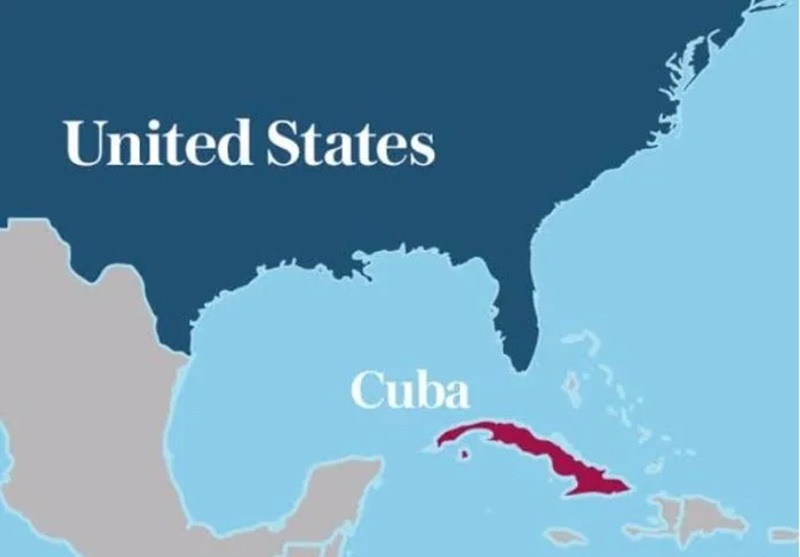
American fuel supplies are particularly significant because of the geographic proximity between the United States and Cuba. Despite longstanding political tensions and restrictions governing bilateral trade, commercial relationships between the two countries have evolved in selected areas.
Changes in regulations and the activities of private intermediaries can create opportunities for certain transactions, although the applicable legal requirements remain important. The growing interest in American fuels reflects Cuba’s gradual expansion of private enterprise.
In recent years, authorities have permitted more privately operated businesses to function alongside state-owned companies. These enterprises have helped create employment, broaden consumer choices and introduce new commercial activities.
Entrepreneurs continue to confront substantial obstacles, including limited access to financing, foreign exchange shortages, regulatory uncertainty and unreliable infrastructure. Energy costs can place additional pressure on already constrained businesses.
Entrepreneurs must weigh the expense of obtaining fuel against the revenue they can generate by keeping their operations running. Higher fuel prices may eventually translate into more expensive transportation, food and other consumer services, adding to the financial burden faced by ordinary Cubans.
The development carries wider economic implications. If private companies can secure more reliable energy supplies, they may become better positioned to expand production, improve distribution networks and support employment.
More dependable fuel access could help reduce interruptions in commercial activity and strengthen the contribution of independent businesses to Cuba’s economy. Reliance on imported American fuels cannot resolve the island’s deeper structural problems.
Cuba still needs investment in electricity generation, modern infrastructure, domestic energy production and distribution systems. Sustainable improvements will require resources that extend beyond the purchasing power of individual entrepreneurs.
Political relations between Washington and Havana will also influence the outlook. Trade restrictions, licensing requirements and broader diplomatic tensions could affect the availability, cost and legality of particular fuel transactions.
Cuban entrepreneurs snapping up American fuels illustrates how businesses adapt when conventional supply systems fail to meet their needs. Their decisions reflect commercial necessity rather than a complete solution to the country’s energy crisis.
Whether this emerging pattern delivers lasting economic benefits will depend on continued access to supplies, manageable costs and broader reforms capable of making Cuba’s energy system more reliable.