

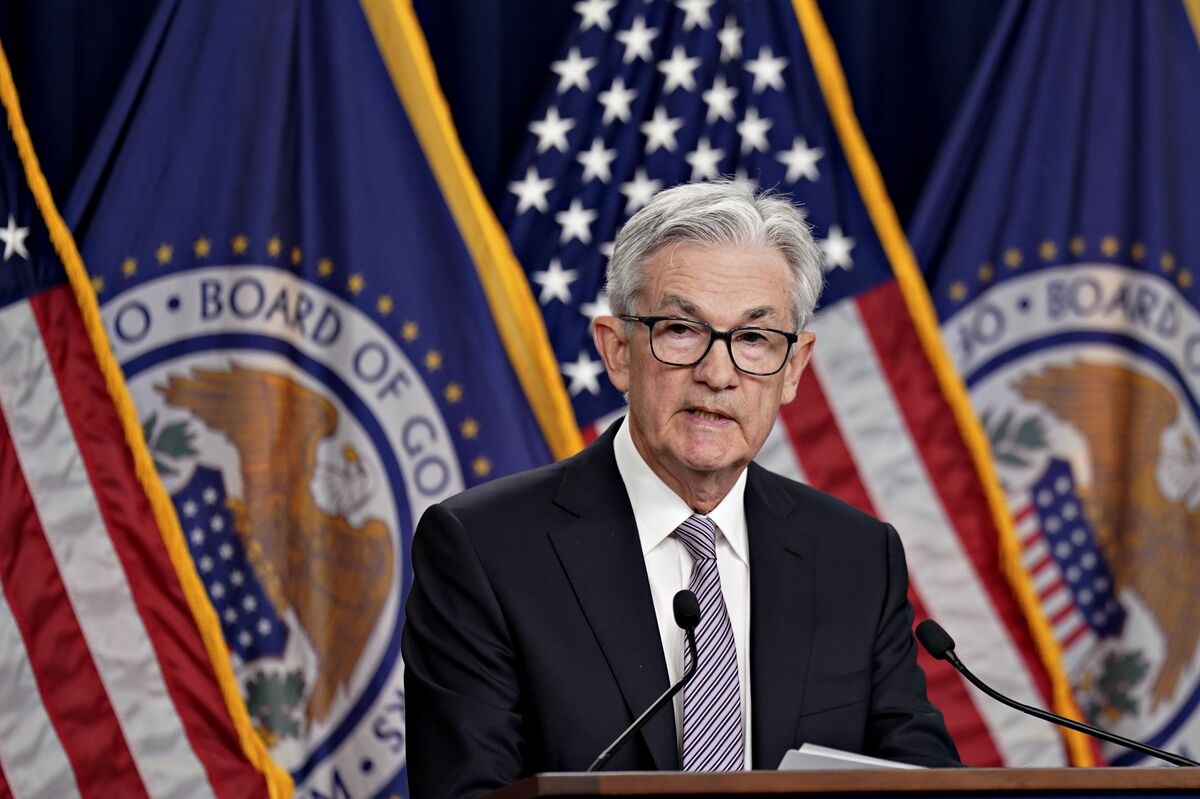
As of November 5, 2025, the probability of the U.S. Federal Reserve implementing at least a 25-basis-point rate cut at its December 10 FOMC meeting has fallen to 63.8%, according to the CME FedWatch Tool.
This marks a notable decline from earlier in the fall, when expectations were consistently above 70%—and often much higher. Baseline for a Cut: The CME FedWatch Tool derives these probabilities from 30-day Fed Funds futures prices, reflecting trader expectations.
A cut would lower the target federal funds rate from its current range of 3.75%–4.00% (post-October cut) to 3.50%–3.75%. Fed Chair Jerome Powell’s October 29 comments emphasized caution, stating a December cut is “not a foregone conclusion” and highlighting a “growing chorus” among FOMC officials to pause after two consecutive cuts (September and October).
Register for Tekedia Mini-MBA edition 20 (June 8 – Sept 5, 2026).
Register for Tekedia AI in Business Masterclass.
Join Tekedia Capital Syndicate and co-invest in great global startups.
Register for Tekedia AI Lab.
This introduced uncertainty around inflation trends and economic data. Market reactions were swift: Odds dropped to 67% immediately after Powell’s remarks, then further to 56% by afternoon. By early November, they’ve stabilized at 63.8%, with a 29% chance of rates holding steady at 3.75%–4.00%.
This pullback signals growing market caution, potentially driven by sticky inflation (e.g., PCE at 2.7% YoY) and policy risks like tariffs. If upcoming data (e.g., November jobs report) shows resilience, odds could dip further; conversely, weakening indicators might push them back above 70%.
Impact of Falling December Rate Cut Odds on the Stock Market
The recent drop in odds for a Federal Reserve rate cut at the December 10, 2025, FOMC meeting—from over 90% pre-October meeting to around 63.8% as of November 5—has introduced volatility and downward pressure on U.S. equities.

This shift, largely triggered by Fed Chair Jerome Powell’s hawkish comments on October 29 emphasizing internal divisions and caution on further easing amid sticky inflation (core PCE at 2.7% YoY), signals to markets a potentially slower pace of monetary accommodation.
Historically, reduced rate cut expectations act like a tightening of financial conditions, raising borrowing costs for companies and consumers, which can crimp corporate earnings growth and dampen risk appetite.
On October 29, the S&P 500 initially hit intraday highs above 6,920 but erased gains to close flat (-0.1%), while the Dow Jones Industrial Average fell 0.48% to 47,336. Treasury yields spiked (10-year to over 4%), reflecting repricing for fewer cuts, and the USD strengthened.

Into Early November: Markets stabilized somewhat but remained cautious. The S&P 500 dipped modestly on October 31 amid mixed earnings (e.g., Amazon up 9.6% on AWS strength, but broader sentiment soured by Fed dissenters opposing the October cut).
By November 5, the index was up ~0.5% week-to-date, buoyed by tech resilience, but the VIX (fear gauge) hovered near 20, up from 15 pre-Powell. Lower cut odds disproportionately hurt rate-sensitive sectors, as higher-for-longer yields make future cash flows less valuable and increase debt servicing costs.
Down 2-3% post-October 29; REITs like Vanguard Real Estate ETF (VNQ) fell ~4% in late October, as elevated yields (10-year at 4.09%) compete with dividend yields. Russell 2000 dropped 1.5% on Oct 29; borrowing costs hurt leveraged firms.
Autos and retail (e.g., Ford, Macy’s) slid 1-2%, as pricier loans curb spending. Minimal damage; Nasdaq’s resilience tied to earnings beats (e.g., Amazon). Banks like JPMorgan gained 0.5% on higher net interest margins from yield spikes.
Stable or up slightly; less rate-dependent, with healthcare eyeing M&A tailwinds. Fewer cuts imply tighter conditions, potentially slowing GDP growth to 1.8% in Q4 2025 (from 2.5% Q3 est.) and pressuring EPS growth from 12% to 8-9% in 2026.
Tariffs (e.g., 10-20% on imports) add inflation risks without full passthrough yet, complicating the Fed’s dual mandate. A “no-cut” December (now 29% odds) could trigger a 1-2% S&P pullback, per JPMorgan models.
Wall of Cash Risk: ~$7T in money market funds yields ~4.5%; as cuts fade, less incentive to rotate into stocks, muting rallies. If data softens odds could rebound >70%, reigniting “risk-on.” Historical rate pause cycles post-cuts have seen S&P gains of 10-15% over 6 months if no recession.
Crypto and small caps could benefit if cuts resume, as a weaker USD boosts alternatives. Recent posts highlight caution—”Fed just killed December hopes… something’s about to break” —with yields at 4.091% and core inflation at 2.6% fueling dip-buying debates.
Overall, this repricing has shaved ~0.5-1% off major indices since late October, but earnings season 80% S&P firms beat Q3 estimates provides a buffer. Watch the November jobs data and Powell’s November 7 speech for clues—strong payrolls could push odds below 50%, risking a 3-5% correction; weakness might stabilize at 70%+ odds and support a year-end rally.