

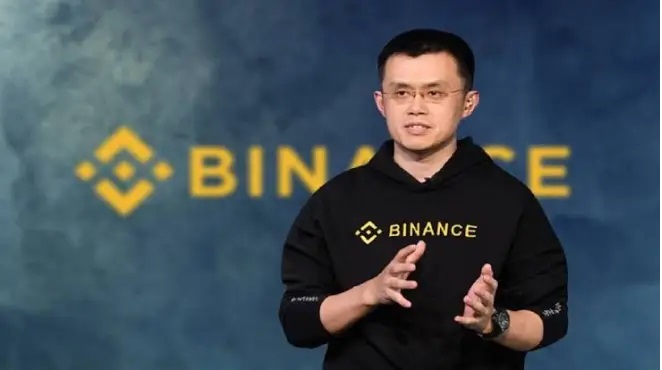
Changpeng Zhao (CZ), the co-founder and former CEO of Binance, recently provided his most detailed public account to date regarding Binance’s early investment in FTX.
This came during an appearance on the All-In Podcast. He traced the origins of the relationship back to January 2019, when he first met Sam Bankman-Fried (SBF). At that time, SBF was still primarily running Alameda Research and FTX had not yet launched—FTX was founded shortly afterward in early 2019 as an incubation project from Alameda.
CZ described Alameda as a major trading client on Binance at the time, with initially friendly relations. He met SBF at one of the Singapore conferences organized by Binance. Binance later made a strategic investment in FTX in late 2019, acquiring roughly 20% equity stake in the derivatives-focused exchange.
Register for Tekedia Mini-MBA edition 20 (June 8 – Sept 5, 2026).
Register for Tekedia AI in Business Masterclass.
Join Tekedia Capital Syndicate and co-invest in great global startups.
Register for Tekedia AI Lab.
The investment involved an undisclosed amount (reports from the time and later suggest around $80-100 million equivalent), plus positions in FTX’s native token (FTT). CZ noted positive views on FTX’s team and growth potential initially.
However, Binance exited the investment about a year to 1.5 years later (completed in July 2021), selling the stake back to FTX for approximately $2.1-2.2 billion including premiums and extras demanded during negotiations, paid largely in FTT, BNB, and stablecoins like BUSD.
CZ emphasized that the exit was driven by growing discomfort with Alameda/SBF’s operations, including SBF’s public comments in Washington and other factors like high salary offers to poach talent. He highlighted that Binance initiated the exit process well before FTX’s 2022 collapse and denied having any inside knowledge of FTX’s issues.

Binance’s 2019 investment was framed as a partnership to grow the crypto derivatives market, but tensions grew, leading to the buyback. Later events like Binance’s 2022 liquidation of FTT holdings accelerated FTX’s downfall, though CZ has consistently positioned the early involvement and exit as unrelated to FTX’s eventual fraud revelations.
Note that FTX’s bankruptcy estate has pursued legal action against Binance and CZ; a 2024 lawsuit seeking to claw back ~$1.8 billion from the 2021 repurchase, alleging fraudulent transfer, but CZ has brushed off such concerns in the past, leaving them to legal teams.
CZ describes himself as strictly passive: “Because of the competitive nature in the businesses… I never really… ask them for financial statements… I’m a very passive investor.” CZ alleges SBF badmouthed Binance in Washington DC regulatory circles while FTX aggressively poached Binance staff—offering 5x salaries to VIP client managers, who then contacted Binance whales with better rates.

CZ says he confronted SBF directly: “Can’t you stop doing this? We’re your shareholders.”
Early 2021: FTX eyes massive funding round ~$32B valuation. Binance held veto rights over new financing but chose not to block it. Instead, CZ proposed: “Why don’t we exit, actually?” to enable full business competition.
CZ publicly announces Binance will liquidate remaining FTT holdings “due to recent revelations” the CoinDesk Alameda balance-sheet exposé. This contributed to the bank run, but CZ has long maintained it was market-driven risk management, not sabotage. FTX sought emergency liquidity from Binance.
He rejects narratives that Binance “caused” FTX’s fall. SBF was convicted in 2024 of fraud; investigations pinned collapse on internal issues at FTX/Alameda. Binance’s 2022 FTT sale accelerated liquidity crisis but followed public red flags. No public evidence has contradicted CZ’s unawareness claim.
FTX bankruptcy estate’s $1.76B clawback lawsuit (filed 2024, targeting the 2021 repurchase as alleged “fraudulent transfer” funded by insolvent Alameda) remains active. Binance/CZ call it “meritless” and filed a motion to dismiss in Aug 2025 (jurisdiction, improper service, and substantive grounds: relationship ended long before issues).
Podcast doesn’t address it directly, so no immediate shift. A resolution could be a catalyst for Binance but is dragging as a “constant drag on capital.” Strong “redemption arc” for CZ post-4-month prison term (2024) and Trump pardon. He humanizes himself (lives in a leaky second-hand house, no flashy spending habits, focuses on new ventures like education/AI).
Podcast frames him as survivor who learned from regulatory battles. Positive in pro-crypto circles; critics on X call it a “whitewash” or “paid narrative” that avoids deeper accountability. Chinese crypto media heavily shares positive summaries. Reinforces Binance as the “stable survivor” vs. FTX’s cautionary tale. Bolsters narrative that 2022 was FTX-specific fraud, not systemic to big CEXs.
CZ reiterates 2026 Bitcoin supercycle outlook, contributing to ongoing bull sentiment. No immediate price volatility tied to the podcast—crypto markets continued broader trends. Helps restore some post-FTX trust in centralized platforms. Skeptics recirculate 2022 “CZ triggered the bank run” memes. Polarized but not market-moving; podcast viewed as polished PR in some overseas circles.
CZ’s account doesn’t rewrite history but solidifies his side—that Binance was an arms-length investor who got out cleanly amid growing red flags, with FTX’s downfall purely self-inflicted. It aids his personal comeback story without resolving the lingering lawsuit or fully silencing critics.
In a maturing crypto industry, this helps narrative control for Binance amid renewed bull-market optimism. Ongoing legal outcomes will matter more for long-term impacts than any single podcast.