

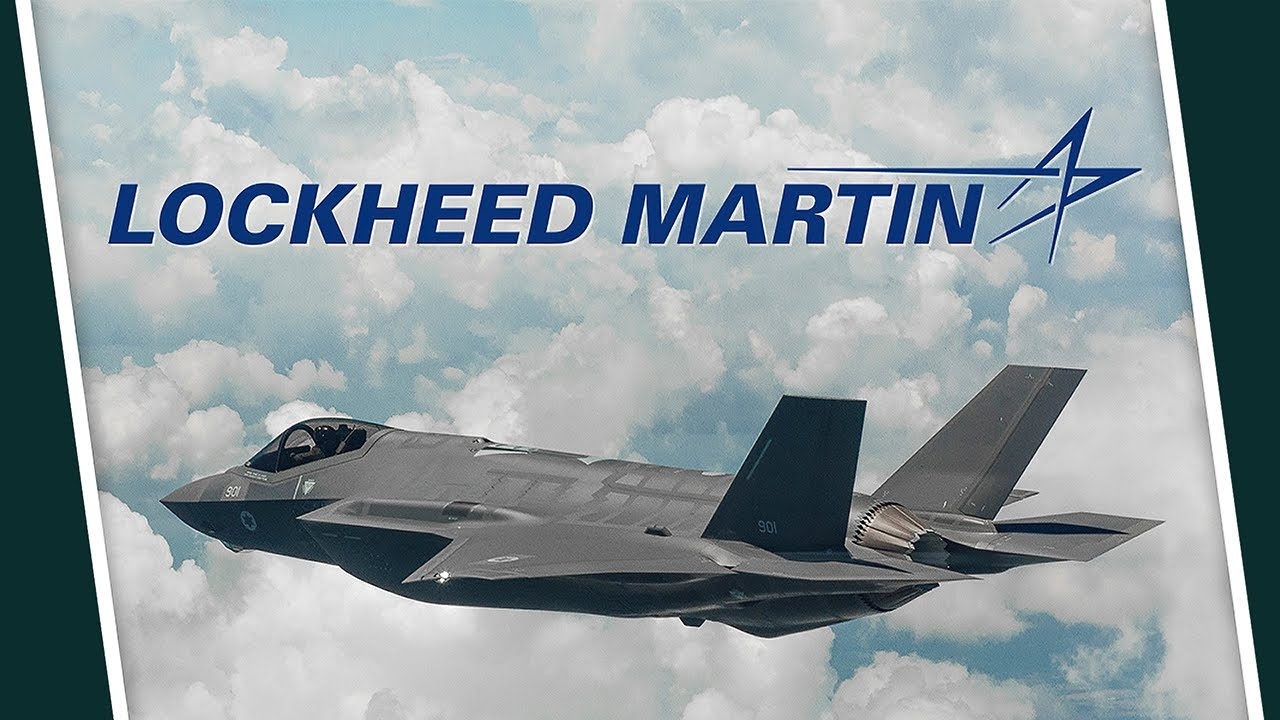
Global defense shares rallied sharply on Monday as investors reacted to the escalating conflict in the Middle East, rotating into military contractors while broader equity markets fell on concerns over growth, inflation, and geopolitical spillover.
In Europe, Germany’s Hensoldt and Britain’s BAE Systems climbed more than 5%, leading gains on the regional benchmark. France’s Thales, Germany’s Renk, and Italy’s Leonardo rose between 3.1% and 4.5%. The broader Stoxx 600 fell 1.4%, touching a two-week low.
In the United States, Lockheed Martin gained 7.7% in premarket trading, and Northrop Grumman advanced 5.2%, even as futures tied to the S&P 500 dropped about 1%. In Asia, Japan’s Mitsubishi Heavy Industries and IHI Corporation each rose around 3%, while Singapore’s ST Engineering added 2.8%.
Register for Tekedia Mini-MBA edition 20 (June 8 – Sept 5, 2026).
Register for Tekedia AI in Business Masterclass.
Join Tekedia Capital Syndicate and co-invest in great global startups.
Register for Tekedia AI Lab.
The gains followed U.S. and Israeli strikes that killed Iran’s Supreme Leader, Ayatollah Ali Khamenei, and Iranian retaliation that left three U.S. service members dead. President Donald Trump said the conflict could last up to four weeks and warned of further American casualties.
The rally indicates more than a short-term reaction. Defense companies have already benefited from a multi-year uptrend in military spending across NATO and parts of Asia, driven by heightened geopolitical tensions. The latest escalation reinforces expectations that procurement cycles will accelerate.
Missile defense systems, precision-guided munitions, radar arrays, drones, and electronic warfare platforms are likely to see sustained demand. Companies such as Lockheed Martin and Northrop Grumman are central to U.S. missile defense and air dominance programs. Hensoldt and Thales specialize in radar and sensor technologies, while BAE Systems and Leonardo have diversified exposure across air, land, and naval platforms.

Conflicts of this nature also expose inventory constraints. Western militaries have depleted stockpiles of interceptors and advanced munitions in recent years. Replenishment contracts tend to be multi-year and high margin, supporting earnings visibility. Investors are therefore pricing in both immediate restocking and structural budget expansion.
Another dimension is the acceleration of autonomous and counter-drone systems. Iran’s use of drones in retaliation underscores the increasing centrality of unmanned systems in modern warfare. Firms with exposure to anti-drone technology, surveillance satellites, and command-and-control software may benefit disproportionately.
Energy shock and macroeconomic spillovers
The defense rally unfolded against a broader risk-off backdrop. Oil prices jumped as markets assessed the risk of supply disruption across the Gulf, a region central to global crude exports. Energy equities rose, but higher oil prices introduce macroeconomic complications.

A sustained rise in crude prices can feed into transport, manufacturing, and food costs, potentially lifting headline inflation. That in turn could constrain central banks’ flexibility, particularly if policymakers had been preparing to ease monetary conditions. Equity valuations, already stretched in some sectors, may face renewed pressure if real yields rise.
Patrick O’Donnell, chief investment strategist at Omnis Investments, said uncertainty around duration is the key variable.
“It’s very much one of uncertainty at the moment that investors are grappling with,” he told CNBC’s “Squawk Box Europe,” adding that markets are weighing implications for both growth and inflation.
Duration matters for defense equities as well. A short, contained conflict may lead to tactical gains that fade once tensions ease. A protracted confrontation — especially one involving sustained air campaigns, naval deployments, or expanded regional participation — could trigger durable increases in procurement budgets.
Fiscal, political, and market implications
Governments may face mounting pressure to raise defense outlays beyond existing commitments. In Europe, where several countries have already pledged to meet or exceed NATO’s 2% of GDP spending target, further escalation could accelerate supplemental appropriations. In the United States, Congress may be asked to approve emergency funding packages tied to operations and replenishment.
That fiscal expansion intersects with broader budget debates. Higher defense spending, combined with potential energy subsidies or reconstruction aid, could widen deficits. Sovereign bond markets may respond if issuance increases materially.
From a market structure perspective, defense stocks often function as a geopolitical hedge within diversified portfolios. Institutional investors may increase exposure not solely for earnings growth but for risk offsetting characteristics during periods of instability.
At the same time, valuations in parts of the sector have already risen substantially over recent years. The sustainability of the rally will depend on contract flow, margin resilience amid supply chain constraints, and political consensus around sustained military expenditure.
Now, defense contractors are absorbing capital fleeing broader equity markets. The possibility of that rotation becoming entrenched will likely depend on the conflict’s trajectory, the scale of fiscal response, and the extent to which energy-driven inflation reshapes the global macro outlook.