

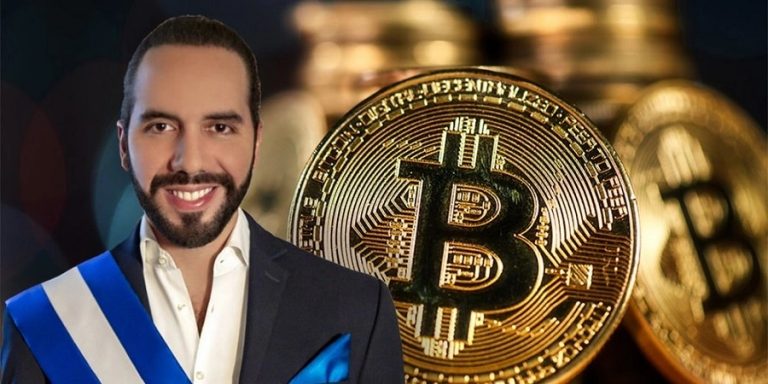
El Salvador is set to launch the world’s first Bitcoin banks in 2025, a pioneering move to integrate Bitcoin fully into its financial system. Announced by the National Bitcoin Office, these banks aim to offer services like savings accounts, loans, and payments entirely in Bitcoin, building on the country’s 2021 adoption of Bitcoin as legal tender.
The initiative may tie into a proposed Bank for Private Investment (BPI), which would operate under lighter regulations, requiring $50 million in capital and at least two shareholders. The goal is to boost financial inclusion for the unbanked, attract foreign investment, and position El Salvador as a global crypto hub.
However, details on regulations and operations remain unclear, and challenges include Bitcoin’s volatility, limited everyday use, and skepticism from institutions like the IMF, which has raised concerns about financial risks. Max Keiser, a senior advisor to President Nayib Bukele, calls the strategy “unstoppable,” claiming it could disrupt traditional banking.
The project’s success hinges on regulatory clarity and public adoption. Over 70% of El Salvador’s population lacks access to traditional banking. Bitcoin banks, operating with lighter regulations, could provide low-cost accounts and services using Bitcoin, enabling the unbanked to participate in the financial system via mobile apps or simple crypto wallets.
Register for Tekedia Mini-MBA edition 20 (June 8 – Sept 5, 2026).
Register for Tekedia AI in Business Masterclass.
Join Tekedia Capital Syndicate and co-invest in great global startups.
Register for Tekedia AI Lab.
By creating a crypto-friendly banking ecosystem, El Salvador could draw foreign crypto businesses and investors, boosting capital inflows and fostering a tech-driven economy. The initiative positions El Salvador as a global leader in crypto adoption, potentially spurring blockchain-based startups and financial innovation.
Remittances, which account for 23% of El Salvador’s GDP (about $8 billion annually), often incur high fees (5-10% via traditional services like Western Union). Bitcoin transactions, especially on networks like the Lightning Network, can reduce fees to under 1%, saving millions for families.
Bitcoin’s price volatility (e.g., 50% swings in 2022) could erode savings or loan values, posing risks for users unfamiliar with crypto. Unclear regulations for Bitcoin banks could deter investors or lead to compliance issues, especially with international bodies like the IMF, which has criticized El Salvador’s Bitcoin policies.
Crypto banks face cybersecurity threats, such as hacks or phishing, which could undermine trust if not addressed with robust safeguards. As El Salvador uses the U.S. dollar, Bitcoin banks could diversify financial dependence, aligning with President Bukele’s vision of economic sovereignty. The IMF, which El Salvador has sought loans from, may push back, potentially affecting international credit access.

Bitcoin banks could enable instant, low-cost payments via Bitcoin’s Lightning Network, ideal for small transactions like groceries or utilities. This could increase merchant adoption, especially if banks offer user-friendly apps or point-of-sale integration. Bitcoin’s borderless nature allows for direct peer-to-peer payments without intermediaries, making it easier for Salvadorans abroad to pay local vendors or family instantly.
Bitcoin banks could streamline remittances by integrating with global crypto exchanges or wallets, cutting out costly intermediaries. For example, a $200 remittance costing $10-20 via traditional services could drop to $1-2. With mobile-based Bitcoin accounts, recipients in remote areas can receive funds without traveling to banks or money transfer outlets, critical in a country where rural access is limited.
Bitcoin banks could integrate with existing crypto wallets (e.g., Chivo) and global platforms like Strike or Bitso, creating a seamless payment and remittance ecosystem. By offering Bitcoin-denominated loans and savings accounts, banks could encourage users to hold and spend Bitcoin, increasing circulation and stabilizing its use as a currency.

El Salvador’s Bitcoin banks could revolutionize payments and remittances by slashing costs, speeding up transactions, and including the unbanked in the financial system. Success depends on clear regulations, robust cybersecurity, and widespread education to boost adoption. If executed well, this could save millions in remittance fees, empower local economies, and cement El Salvador as a crypto pioneer.