


Call it the $99 puzzle. Vendors claim that, for the cost of one software seat, you get a full virtual studio—security, avatars, instant translation. Yet fine-print blurs the promise: minutes vs. credits, surprise add-ons, compliance gaps.
We ran the numbers. With AI video now board-level spend—Synthesia serves 60 000 companies and recently hit a $2.1 billion valuation (TechCrunch, January 14 2025)—what does $99 truly deliver?
This guide compares leading platforms at that price, shows where the dollars stretch or stall, and hands you a checklist to turn the subscription into measurable ROI.
Why enterprises are racing toward AI video
Speed
That single benefit tops every learning and development manager’s list. A script that once crawled through storyboards, studio bookings, and post-production can now become a finished video before lunch. Turnaround falls from weeks to hours, and projects that stalled in review queues finally launch.
Scale
With an avatar on call, producing fifty regional versions of an onboarding video is routine. Swap a language, adjust a price, regenerate. Teams that struggled with localization breathe easier.
Cost
Traditional corporate footage can exceed $1 000 per finished minute after talent, lighting, and editing. A ninety-nine-dollar subscription flips that math. One L&D director cut six figures in annual spend by replacing on-site shoots with AI presenters. She trimmed travel days and invoice bloat without sacrificing quality.
Personalization
Marketing teams generate ten micro-pitches, each greeting the viewer by name or industry. Sales emails that once felt mass-produced now read as bespoke, raising reply rates and pipeline velocity.
Reach
Voice cloning and instant translation let global HR groups deploy safety training in a hundred languages without flying crews across time zones. Employees hear guidance in accents they recognize, which lifts comprehension and compliance.
AI will not replace every camera. Brand campaigns that need cinematic storytelling still rely on human performers. For the steady rhythm of explainers, walkthroughs, and policy refreshers, though, AI studios offer the faster lane.
The question is no longer whether to adopt AI video; it is how quickly teams can weave it into daily workflows before competitors collect the same savings and attention.
The checklist smart buyers use
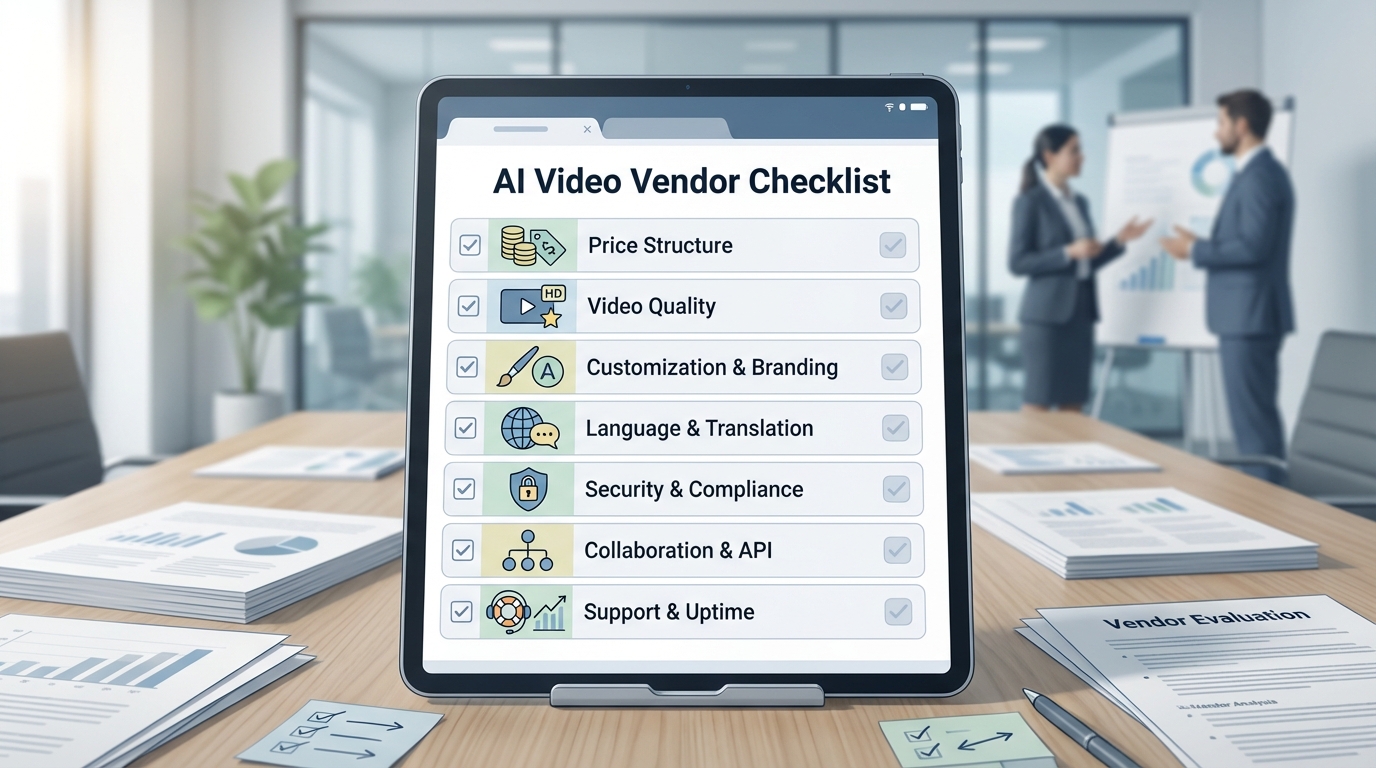
Before teams fall for slick demos, they need a yardstick. Vendors highlight avatars and single-click workflows, but an enterprise deal lives or dies on deeper, often hidden details.
Price sits first, but not the headline price. What matters is what the fee unlocks. Does the plan grant thirty video minutes, a credit wallet, or true unlimited generation? Clarity here prevents upgrade surprises two months in.
Leonardo’s Maestro Unlimited tier, powered by an AI video generator for animating images, includes 60 000 fast tokens each month; once those are used, generation shifts to an unlimited but lower-priority “Relaxed” queue that can stretch processing times when demand spikes.
Leonardo’s pricing guide also notes that relaxed mode runs only one concurrent job, so teams requiring rapid turnarounds should track their token balance or budget for top-up packs.
Quality stands beside cost. Full-HD output is basic. The real divider is how natural the avatar looks and sounds. Subtle eye movement, clean lip sync, and a voice free of robotic cadence decide whether learners lean in or tune out. Ask for raw samples, not the curated highlight reel.
Customisation follows. Brand colours, fonts, and, if policy permits, a likeness of a real employee all push adoption higher. Without these touches, videos feel generic and engagement drops.
Language support turns a good platform into a global one. Check how many languages are available and whether translation minutes are capped. “Unlimited” can shrink in the fine print.
Security and compliance never sit last. Request SOC 2 evidence, GDPR alignment, and an explicit statement that your footage will not train someone else’s model. If legal raises an eyebrow, momentum stops.
Collaboration rounds out the list. A single seat is fine for a pilot, but real programmes involve reviewers, approvers, and subject-matter experts. Look for shared workspaces, role permissions, and ideally an API that posts content straight into your LMS or CMS.
Support is the insurance policy. Quick chat responses and published uptime matter when a quarterly compliance video must ship today, not tomorrow.
Walk each contender through this checklist; the exercise spots weak points early and keeps the contract aligned with the pace, scale, and risk profile your organisation needs.
What $99 really buys: platform by platform
Synthesia: polished performance at $89
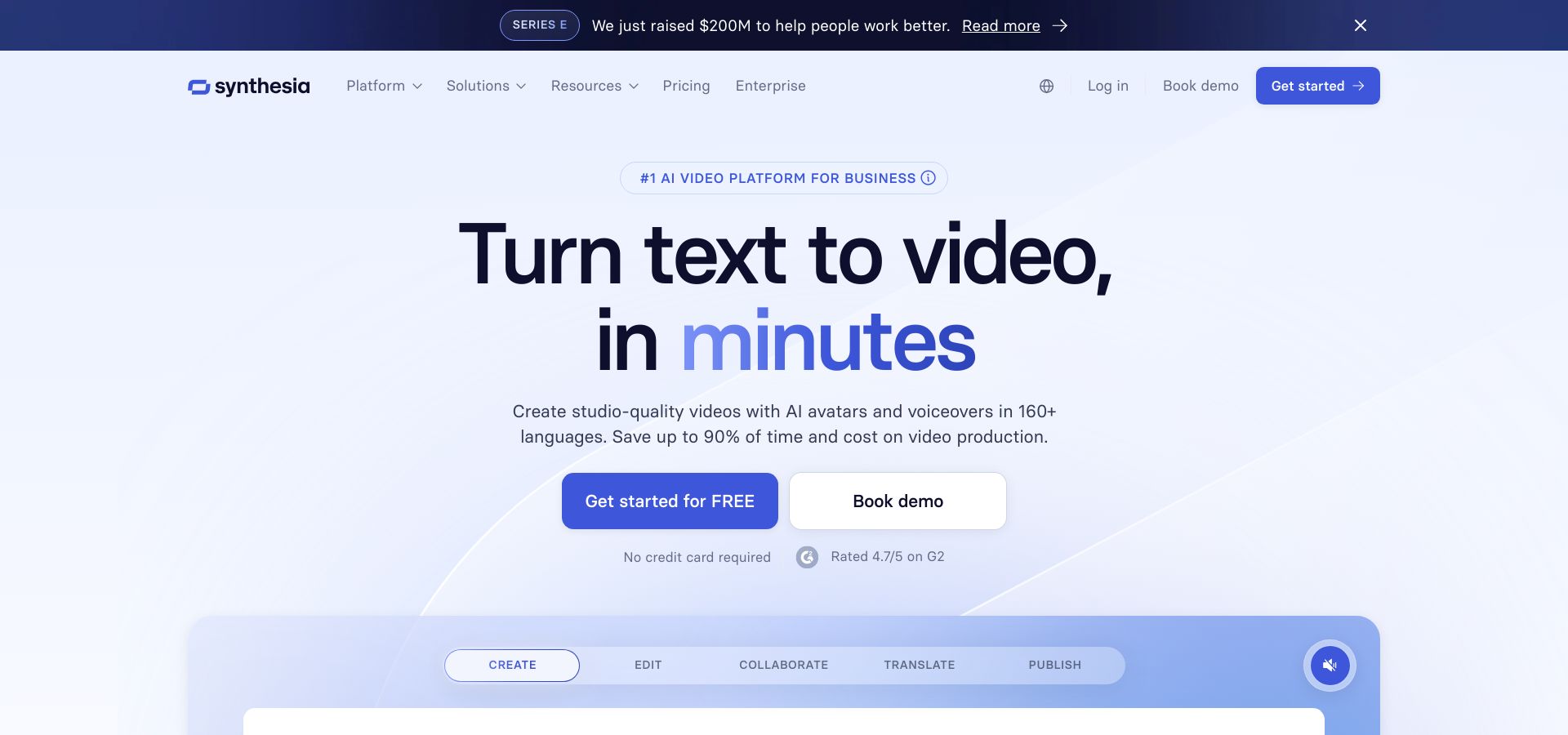
Synthesia AI video platform homepage screenshot
Synthesia is the brand most executives recognise, and the platform leans on that reputation. At the Creator tier, eighty-nine dollars secures thirty full-HD minutes each month, access to more than 180 stock avatars, and a studio interface a new marketer can master in an hour.
Quality leads the story. Avatars deliver crisp lip sync, natural eye blinks, and consistent lighting across scenes. Viewers question the realism less often, which keeps engagement high and brand risk low.
Customisation ranks above entry-level rivals. Teams can upload fonts and colours, import PowerPoint slides, and film up to five personal avatars (turning the CEO into pixels requires a separate four-figure capture fee). For many companies that is still cheaper than one location shoot.
API access sweetens the deal. Want to generate training clips whenever a policy changes? The hooks exist. Collaboration is intentionally limited at this tier: one editor plus five read-only reviewers. Larger departments will feel that ceiling quickly and may face an enterprise upsell.
Volume is the main trade-off. Thirty minutes disappear fast once you translate or iterate. If your roadmap includes dozens of multilingual videos each month, Synthesia offers polish but nudges you toward a pricier unlimited plan. Treat the Creator tier as a pilot or a steady trickle, not a fire hose.
HeyGen: flexible credits at $149 (often split to near-$99)
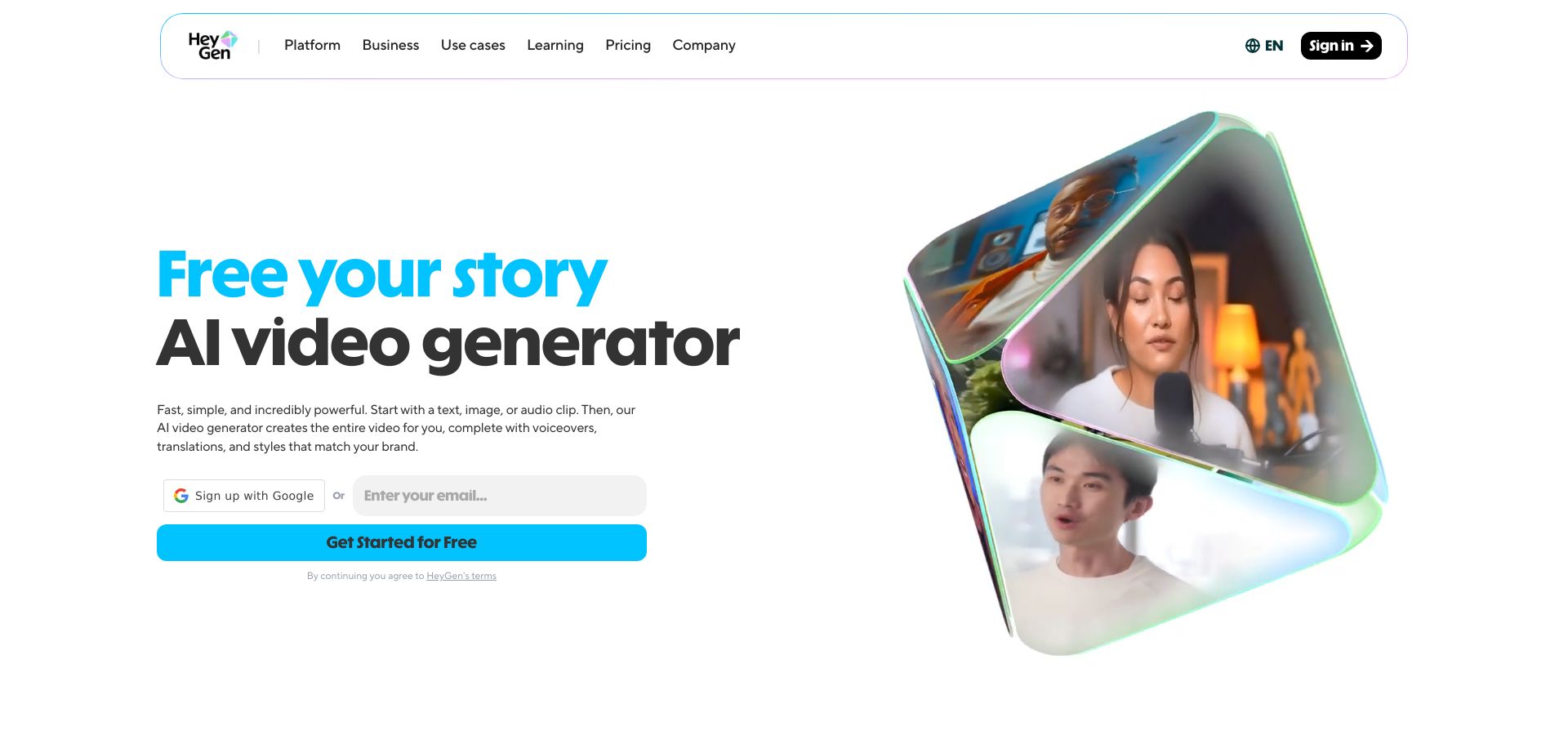
HeyGen AI video generator business plan screenshot
HeyGen grew up as the challenger and still moves like one. Instead of fixed minutes, it provides a credit wallet. Basic avatars cost fewer credits; premium “Avatar IV” realism costs more. The Business plan ships with a thousand credits monthly—about fifty minutes of top-tier footage—which many teams divide between two seats, landing at roughly ninety-nine dollars per user.
The credit model is both blessing and puzzle. Use lightweight scenes and content flows all quarter; ignore the meter and credits vanish by day ten. The upside is predictable cost control: when the wallet is empty, production pauses.
Quality keeps pace with leaders. The platform offers 4 K exports, 175 languages, and voice cloning at no extra fee, making it attractive for marketers chasing personalisation at scale. Collaboration feels built-in with shared workspaces, threaded comments, and a twenty-dollar add-on for each extra creator.
Process depth is where HeyGen stumbles. It lacks the strict approval flows and granular roles regulated industries expect. If legal must sign off on every script, Synthesia still wins. For growth companies that value volume, creative freedom, and vertical-video formats, HeyGen often delivers more minutes per dollar.
DeepBrain AI: unlimited minutes at a modest price
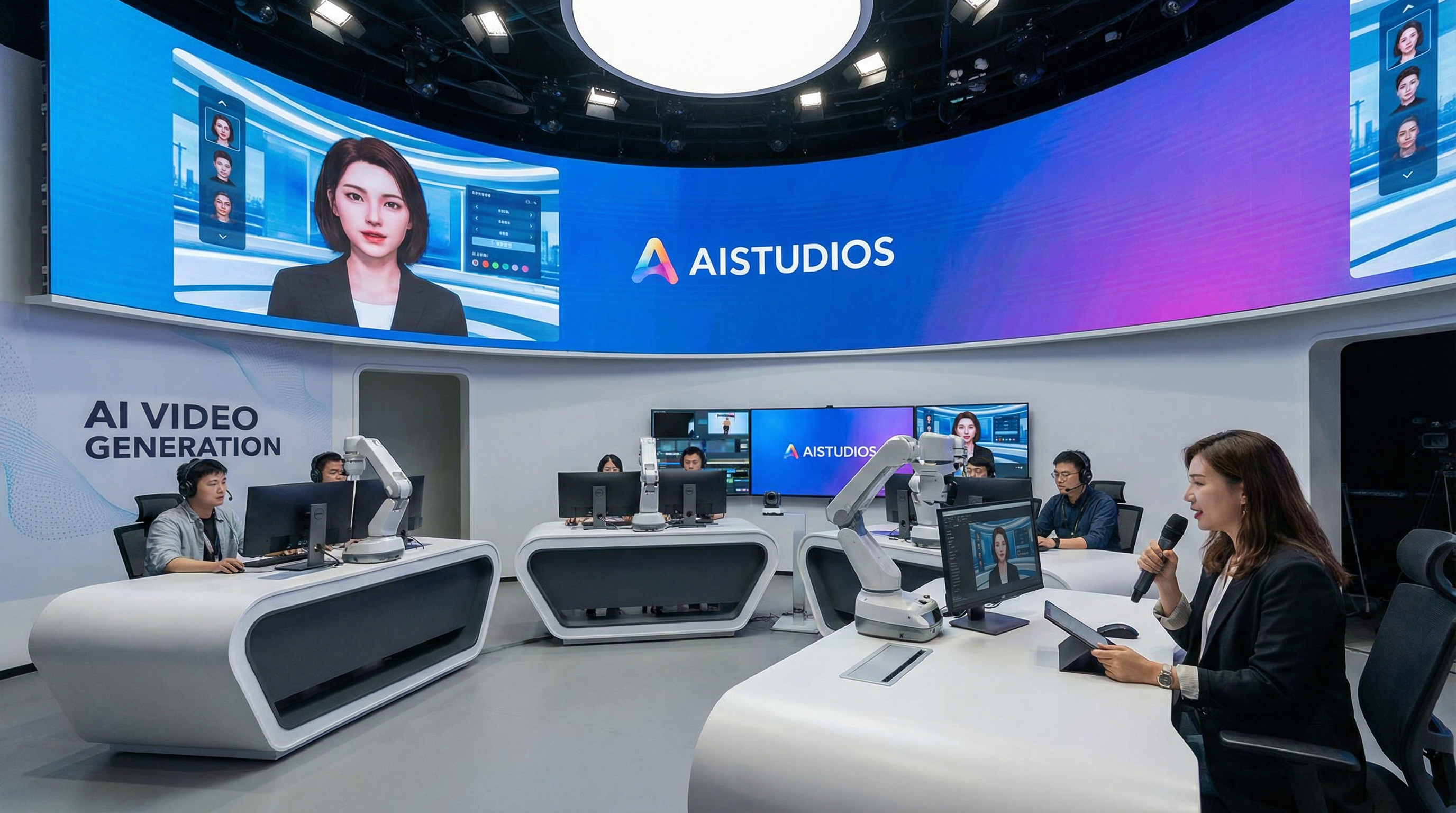
DeepBrain AI Studios unlimited minutes plan screenshot
DeepBrain AI keeps a lower profile in Western media, yet its Pro tier sits near one-hundred-and-twenty dollars and promises the word enterprises love most: unlimited. No minute caps, no credit math, just a fair-use policy and permission to produce content until reviewers ask for a break.
Avatar quality surprises newcomers. Real actors are filmed under controlled lighting, so facial texture and micro-expressions feel authentic. Add 4 K exports and the footage is conference-screen ready.
The editor targets power users. A timeline lets you fine-tune transitions, layer graphics, and add music without leaving the browser, pleasing designers who find slide-based tools restrictive.
Governance deserves a close look. DeepBrain lists GDPR alignment and firm data-ownership terms, but a SOC 2 audit is still pending. Support replies quickly through chat, though time-zone gaps can slow escalations.
If volume is the key metric—think e-learning vendors or franchise systems updating regional modules—DeepBrain’s unlimited model offers the lowest cost per finished minute in this roundup. The trade-off is running a slightly leaner vendor-risk review yourself.
Colossyan: the flat-fee workhorse
Colossyan flat-fee AI video business plan screenshot
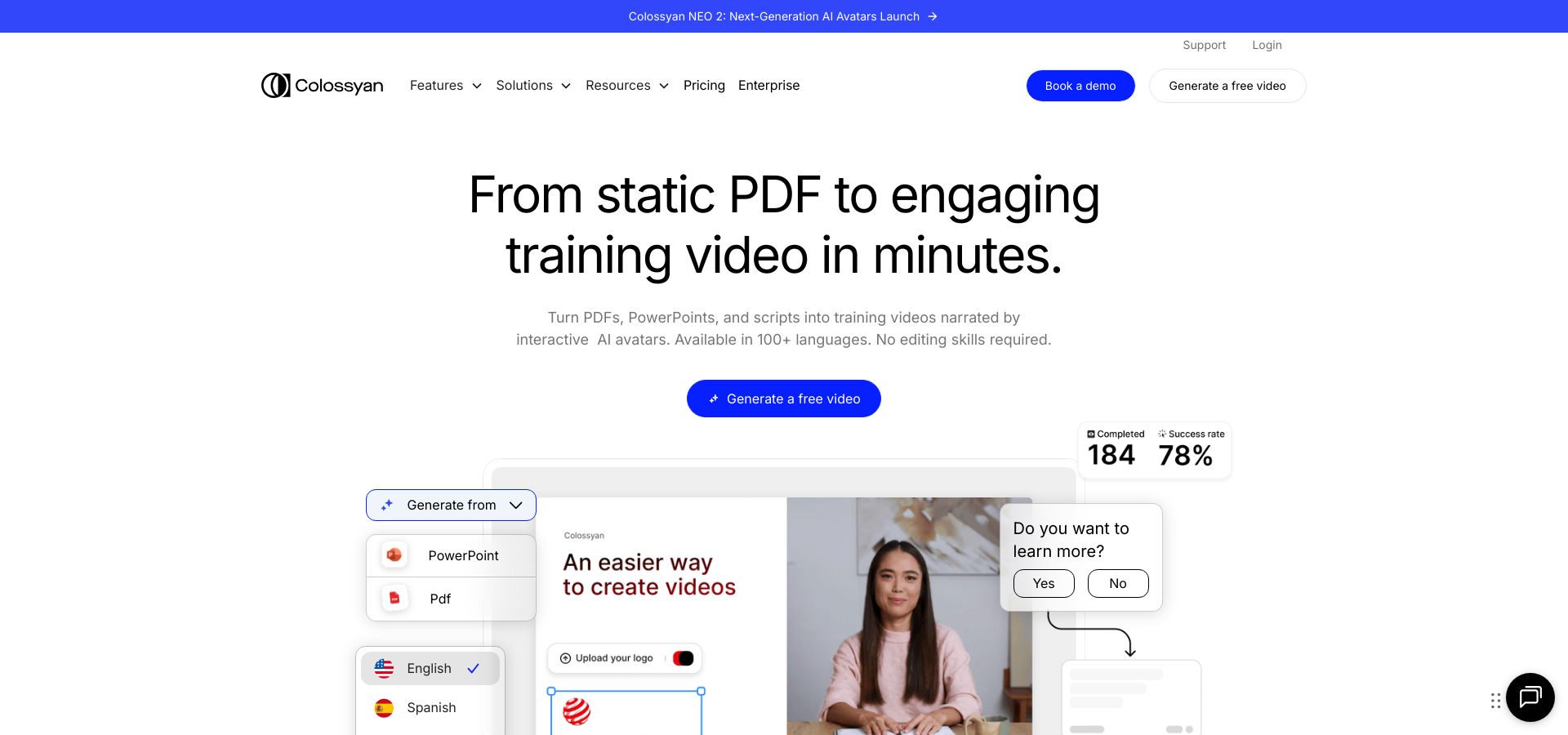
Colossyan prizes simplicity. Its Business plan hovers around seventy-five dollars a month when billed annually and removes quotas entirely. Unlimited minutes, unlimited renders, one predictable invoice.
That flat fee changes behaviour. Teams hit “generate” without hesitation, iterate freely, and refine scripts through rapid drafts instead of slide comments. For high-volume departments, the creative breathing room justifies the subscription on its own.
The compromise appears in polish. Avatars look professional but show fewer nuanced expressions than Synthesia or HeyGen. Resolution tops out at full HD, fine for laptops and LMS portals but less ideal for trade-show screens.
Collaboration is pared back. One editor account and no granular roles force colleagues to share a login. It functions, but audit trails disappear and security leads may object. Large organisations eventually upgrade to a multi-seat tier or migrate.
For internal training teams or solo course creators chasing the lowest cost per video minute, Colossyan delivers strong value. Unlimited output often beats perfection when deadlines crowd the calendar and budgets stay lean.
ROI and the costs nobody mentions
The cost argument for an AI video subscription is straightforward. Replace a filmed shoot that costs about $2 000 per finished minute with a $99 plan, and savings accumulate quickly. One learning team reported saving $180 000 in a single year, even after paying for the subscription.
Those savings appear only when teams use the platform. Buy 30 minutes each month and publish only three, and your cost per minute balloons. Before signing, confirm real content demand: review last year’s training calendar, count deliverables, and match appetite to the quota.
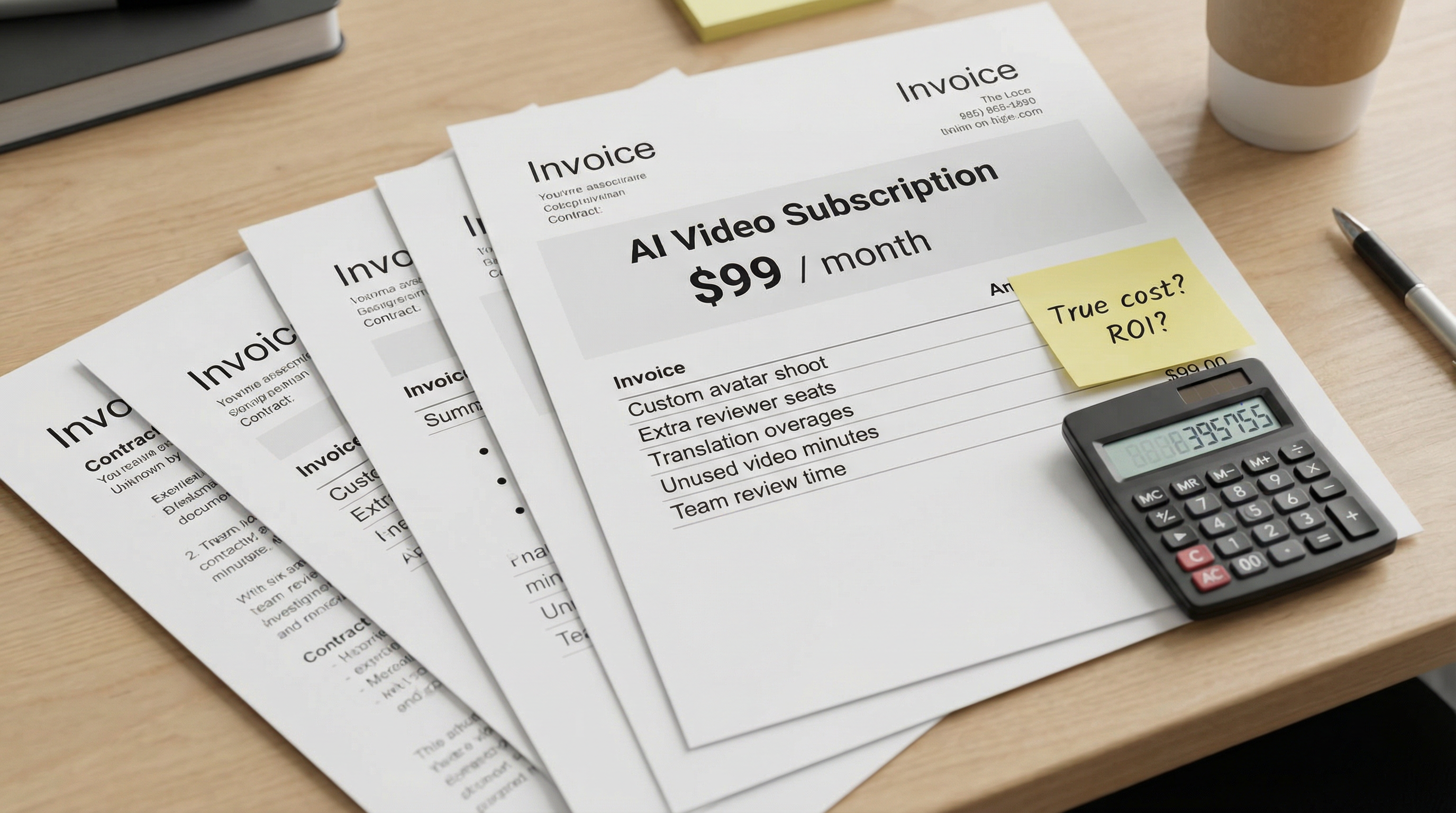
Extra costs hide beyond generation minutes. A custom avatar shoot—often $1 000 or more—lands on the invoice when leadership wants the CEO’s likeness. Additional reviewer seats can add $20–$30 each month. Translation may surprise you; some vendors cap multilingual minutes even in mid-tier plans.
Time is another, quieter expense. Writers still draft scripts, subject-matter experts still review, and someone still polishes slides. Most teams cut production hours by 70–80 percent, but that final polish pass stays essential for client-facing work.
Conclusion
Treat the first quarter as a live experiment. Track cost per finished minute, turnaround time, and viewer engagement. If those metrics improve, the subscription funds itself. If they stall, downgrade or switch before renewal season.
This is a great breakdown of the ’99 puzzle’ in enterprise AI video generation. It’s really helpful to see how platforms compare at that price point and what benefits, like rapid video production and localization, can genuinely be expected. For more insights, you can check out https://nanabananapro.com.