

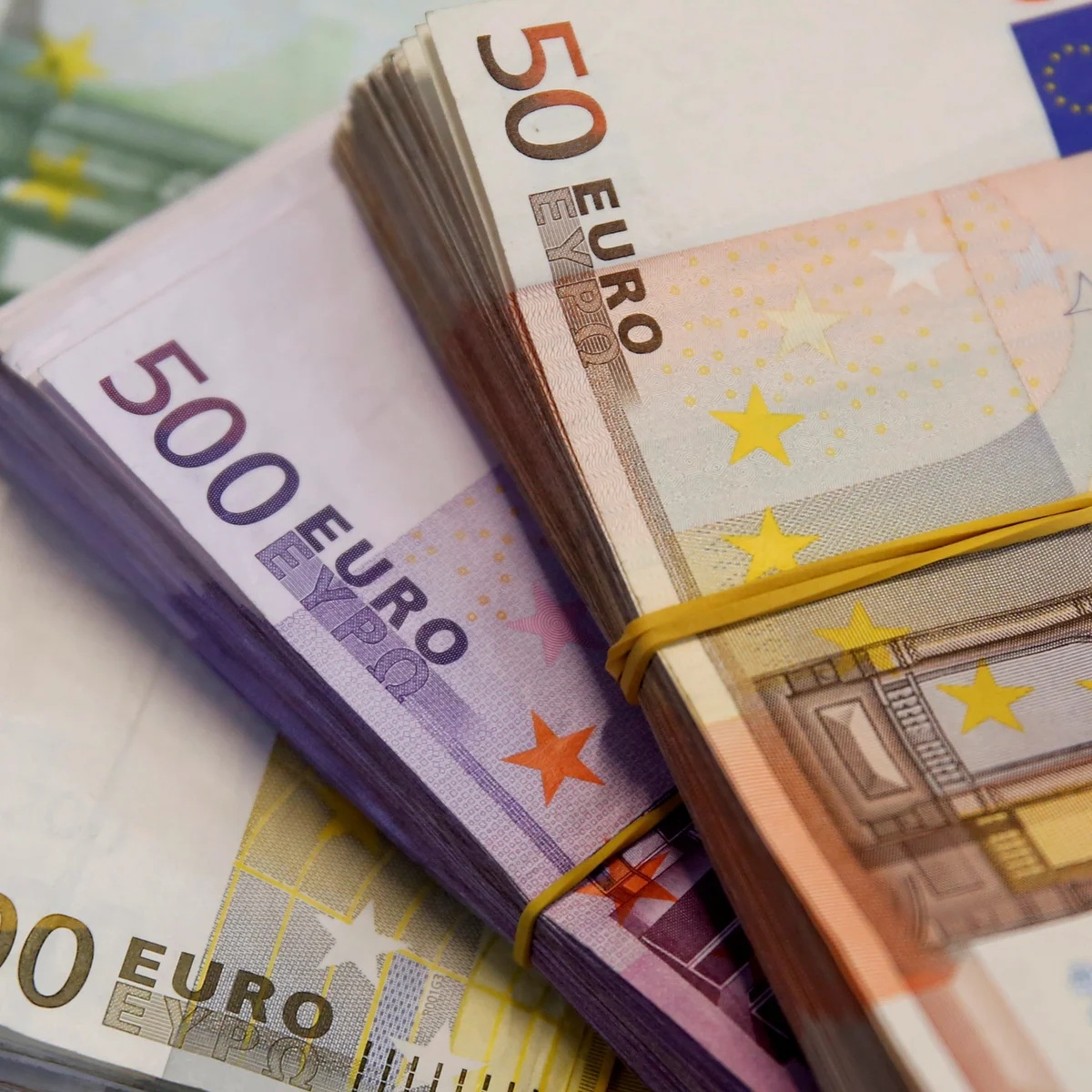
The Euro has fallen to its weakest level in 17 months as growing concerns about job cuts, persistent inflation and the uncertain economic outlook weigh on investor confidence.
The currency’s decline highlights the challenges facing the eurozone as businesses struggle with rising costs, weakening demand and uncertainty over monetary policy.
The situation has also raised questions about the European Central Bank’s ability to balance price stability with the need to support economic growth.
Register for the next Tekedia Mini-MBA.
Register for Tekedia AI in Business Masterclass.
Join Tekedia Capital Syndicate and co-invest in great global startups.
The euro’s weakness reflects a combination of domestic economic pressures and broader financial market developments. When businesses announce layoffs or reduce recruitment, investors may interpret these decisions as evidence that economic activity is losing momentum.
Companies facing declining demand often seek to control expenses by cutting jobs, delaying investments and reducing production. While such measures can protect profitability in the short term, they may weaken household incomes and consumer spending, creating additional pressure on the wider economy.
Employment conditions are particularly important for the eurozone because consumer spending represents a significant component of economic activity. When workers fear losing their jobs, they tend to save more and postpone major purchases.

This reduction in spending can affect retailers, manufacturers, service providers and other businesses that depend on household demand. If job losses spread across several industries, the resulting slowdown could become more difficult for policymakers to reverse.
Persistent inflation is complicating the economic outlook. Although inflation can ease when demand weakens, prices do not necessarily decline at the same pace.
Higher energy costs, supply-chain disruptions, wage pressures and increases in business expenses can keep consumer prices elevated even when economic growth slows. This creates a difficult environment for households, which must cope with rising living costs while facing greater uncertainty about employment and income.

For the European Central Bank, the combination of weakening employment and stubborn inflation presents a significant policy challenge. Cutting interest rates could reduce borrowing costs, encourage investment and support household spending.
Easing monetary policy too quickly could undermine efforts to bring inflation under control. Conversely, keeping interest rates elevated for an extended period could place additional pressure on businesses, mortgage borrowers and companies dependent on credit.
Currency markets closely monitor these policy decisions. When investors expect interest rates in the eurozone to fall relative to those in other major economies, the euro can become less attractive to international investors.
Lower expected returns on euro-denominated assets may encourage capital to move toward currencies offering better yields. Such movements can accelerate a currency’s decline, particularly when economic data reinforce expectations of weaker growth.
A weaker euro has both advantages and disadvantages. European exporters may benefit because their products become less expensive for overseas customers when priced in foreign currencies.
This could support manufacturing and improve the competitiveness of certain industries. However, the benefits may be limited if global demand remains weak.
Meanwhile, a falling euro makes imported goods more expensive, particularly energy and raw materials priced in dollars. These higher import costs can intensify inflation and reduce the purchasing power of European consumers.
Businesses may face rising expenses, potentially limiting the benefits of improved export competitiveness. The euro’s decline to a 17-month low serves as a warning about the pressures confronting Europe’s economy.
Job cuts, inflation uncertainty and changing interest-rate expectations are combining to challenge confidence in the region’s recovery. The currency’s future direction will depend heavily on employment figures, inflation trends, economic growth and the European Central Bank’s response.
A sustained recovery in the euro will likely require stronger economic performance and convincing evidence that inflation is returning to a manageable level. Until then, financial markets may remain cautious about the outlook for Europe’s single currency.