

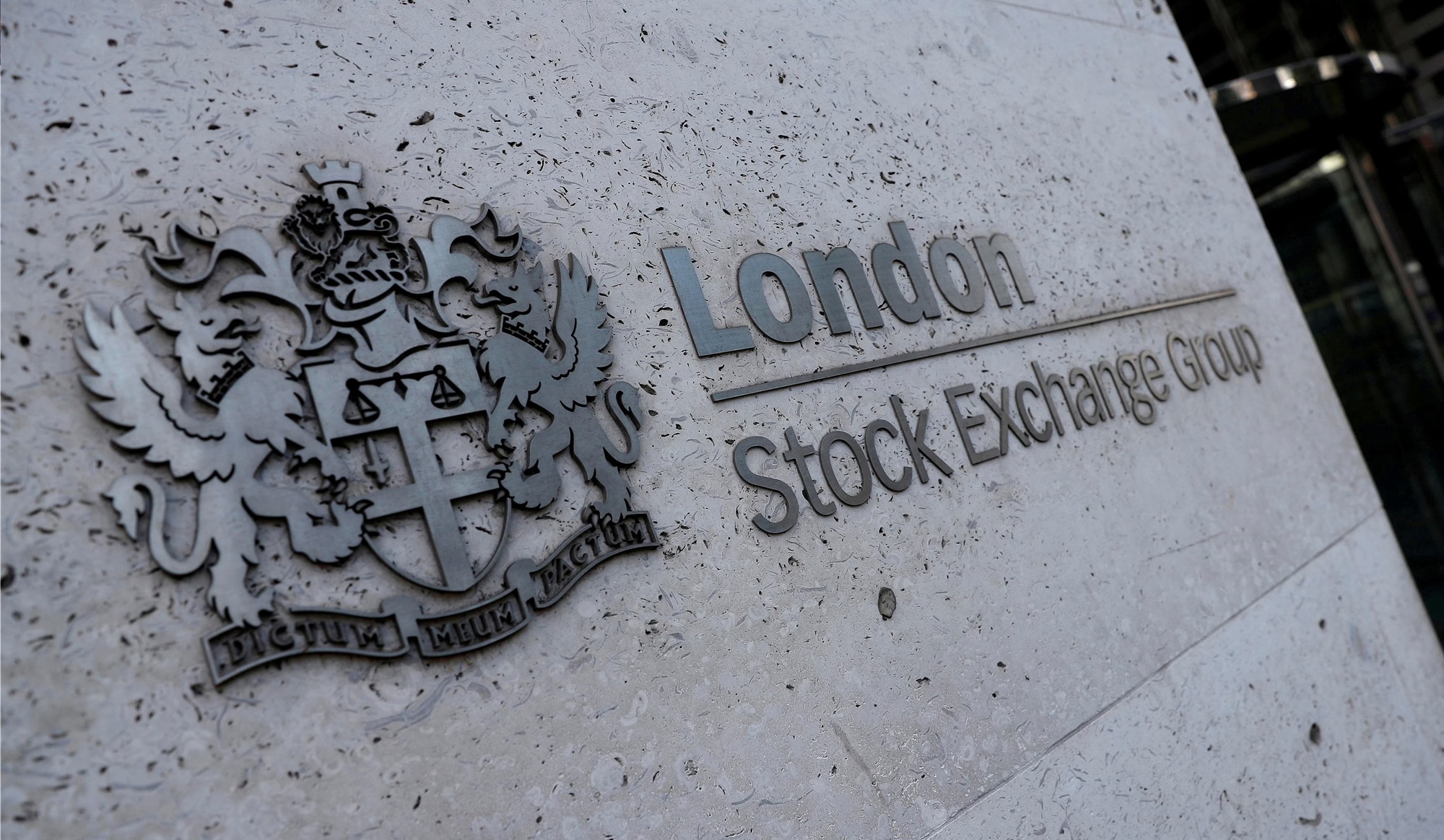
European equities opened the week on a cautious footing on Monday, eking out modest gains as investors balanced a resurgence of geopolitical tensions with a packed global calendar of corporate earnings and central bank decisions.
The pan-European Stoxx 600 index was up almost 0.1% by 8:45 a.m. in London, with most sectors trading in positive territory, though gains were shallow and major national indices were mixed. The muted start reflected a broader sense of restraint among investors, with sentiment shaped as much by politics as by fundamentals.
Geopolitics loomed large after tensions between the United States and Canada resurfaced over the weekend. Canadian Prime Minister Mark Carney sought to calm markets on Sunday by saying Ottawa had no intention of pursuing a free trade agreement with China, following President Donald Trump’s threat to impose 100% tariffs on Canadian goods if such a deal were signed.
Register for Tekedia Mini-MBA edition 20 (June 8 – Sept 5, 2026).
Register for Tekedia AI in Business Masterclass.
Join Tekedia Capital Syndicate and co-invest in great global startups.
Register for Tekedia AI Lab.
“Canada respects our engagements, our commitments,” Carney said, pointing to obligations under the Canada–United States–Mexico Agreement. He said the agreement requires Canada not to pursue free trade arrangements with non-market economies without prior notification, adding: “We have no intention of doing that with China or with other non-market economy.”
The comments were closely followed in European markets, where investors remain sensitive to any escalation in global trade disputes. Trump’s renewed tariff threats have revived concerns about fragmentation in global trade, particularly at a time when European exporters are already grappling with slower growth, weak external demand, and rising geopolitical risk. Market participants say even rhetoric can be enough to inject volatility, given the interconnected nature of supply chains spanning North America, Europe, and Asia.
Against that backdrop, sector moves in Europe were relatively contained. Defensive areas such as healthcare and utilities offered some support, while cyclicals showed mixed performance as investors waited for clearer signals on growth and policy.

In company-specific news, Danone shares slid 2.9% in early trade after the French food group announced a global recall of certain batches of its infant formula. The recall followed the detection of traces of a toxin, raising concerns about potential financial costs and reputational damage. Analysts said the development could weigh on sentiment toward the stock in the near term, even as the company works to reassure regulators and consumers.
Ryanair moved in the opposite direction, trading nearly 0.1% higher after the low-cost airline raised its full-year fare growth forecast to more than 7%, well above its earlier guidance of 1 to 2 percentage points. The airline said revenues climbed 9%, pointing to resilient travel demand despite inflationary pressures and higher operating costs. Investors viewed the update as a sign that Europe’s travel sector continues to benefit from strong passenger volumes and pricing power.
Airbus shares fell almost 1%, underperforming the broader market. The decline followed comments from chief executive Guillaume Faury, who warned in a note seen by Reuters that 2026 has been marked by an “unprecedented number of crises.” The aerospace group faces mounting challenges from geopolitical tensions, supply chain constraints, and shifting defense and trade dynamics. Airbus is due to report earnings next month, with investors watching closely for updates on production targets and order backlogs.

Beyond equities, moves in other asset classes underscored a cautious global mood. Gold prices surged to new all-time highs, with spot gold jumping 2.3% to $5,096 an ounce, while U.S. gold futures rose 2.3% to $5,094. The rally reflected strong demand for safe-haven assets amid geopolitical uncertainty and lingering questions over the trajectory of interest rates.
Asia-Pacific markets were mixed on Monday, as investors digested developments in North America alongside regional data and corporate updates. The uneven performance fed through to U.S. markets, where stock futures fell overnight ahead of a critical week.
More than 90 companies in the S&P 500 are scheduled to report earnings in the coming days, including heavyweight technology firms Apple, Meta Platforms, and Microsoft. So far, the earnings season has been robust, with 76% of companies that have reported beating expectations, according to FactSet. That strength has helped underpin global equities, even as macroeconomic and political risks persist.
Attention this week will also center on the U.S. Federal Reserve, which is set to announce its first policy decision of the year on Wednesday. While the Fed is widely expected to keep its benchmark interest rate unchanged, investors will be looking for signals on the timing and pace of potential rate cuts later in the year. Any shift in tone could have implications for global markets, including European equities, currencies, and bond yields.
For now, European markets appear stuck in a holding pattern. Strong earnings momentum and easing inflation pressures offer support, but renewed trade tensions and geopolitical uncertainty continue to cap risk appetite. As the week unfolds, investors are likely to remain highly responsive to headlines, with politics, policy, and profits all competing to set the direction.