

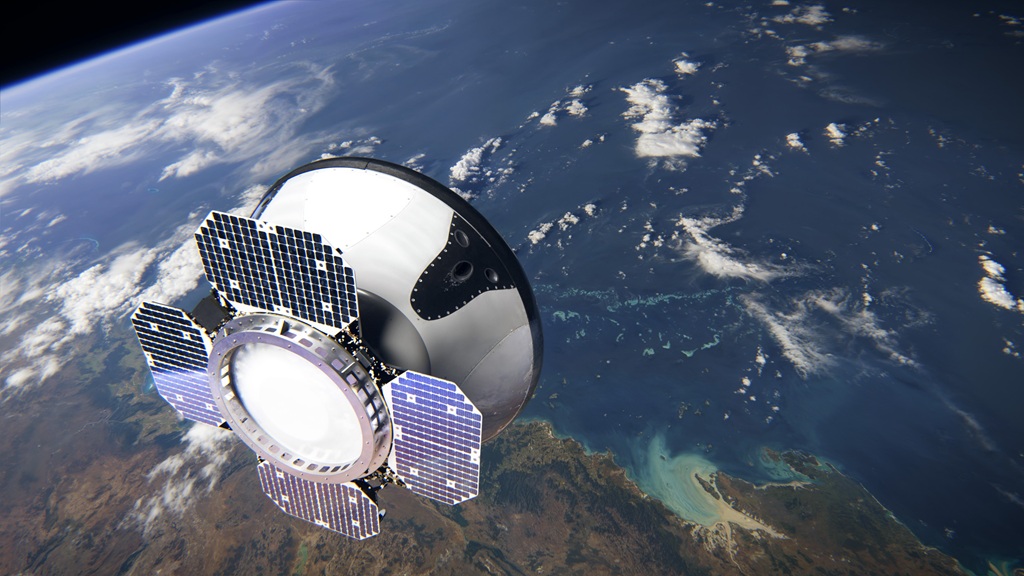
German space technology group OBH has announced plans to issue new shares in order to raise capital for future investments, a move that reflects both the opportunities and challenges facing Europe’s growing space industry.
As governments and private investors increase their focus on space exploration, satellite technology, and defense-related aerospace projects, companies such as OBH are seeking additional funding to strengthen their competitive position in a rapidly evolving global market.
The decision to issue new shares is a common strategy used by companies that wish to expand without taking on excessive debt. By selling additional equity to investors, OBH can secure fresh capital that can be directed toward research and development, acquisitions, infrastructure expansion, and the commercialization of new technologies.
While existing shareholders may experience some dilution of their ownership stakes, management often argues that the long-term benefits of increased investment outweigh the short-term impact.
Register for the next Tekedia Mini-MBA.
Register for Tekedia AI in Business Masterclass.
Join Tekedia Capital Syndicate and co-invest in great global startups.
The global space sector has entered a period of unprecedented growth, driven by advances in satellite communications, Earth observation systems, launch technologies, and defense applications. Governments across Europe are investing heavily in space capabilities to enhance technological sovereignty and reduce dependence on foreign providers.
Commercial demand for satellite-based services continues to expand as industries increasingly rely on data, connectivity, and real-time monitoring solutions. For OBH, access to additional capital could provide the resources needed to accelerate innovation and capture a larger share of this growing market.
Space technology development is capital-intensive, requiring substantial investments in engineering talent, specialized equipment, testing facilities, and regulatory compliance. New funding may allow the company to pursue ambitious projects that would otherwise be difficult to finance through operational cash flow alone.

The move also reflects broader trends within the European aerospace ecosystem. European companies face increasing competition from major players in the United States and Asia, where significant public and private investments have fueled rapid technological advancement.
Firms such as SpaceX have transformed expectations regarding launch costs and operational efficiency, while governments worldwide are expanding their strategic space programs. European companies must therefore continue investing aggressively to remain competitive on a global scale.
Investors will closely evaluate how OBH intends to deploy the proceeds from the share offering.
Capital raises are generally viewed positively when accompanied by a clear growth strategy and identifiable investment opportunities. If management can demonstrate that the new funds will generate strong returns through product development, market expansion, or strategic partnerships, investor confidence is likely to remain strong.

Uncertainty regarding the use of proceeds could raise concerns about capital allocation and future profitability. The announcement may also signal management’s confidence in the company’s long-term prospects. Firms typically pursue equity offerings when they believe market conditions are favorable and when they see attractive opportunities for expansion.
By strengthening its balance sheet now, OBH may be positioning itself to respond quickly to emerging opportunities in satellite systems, defense technologies, space infrastructure, and related sectors. OBH’s decision to issue new shares highlights the increasing importance of capital access in the modern space economy.
As the industry continues to grow and technological innovation accelerates, companies that can secure funding for strategic investments will be better positioned to compete and create value. The share issuance represents not merely a financing transaction but a strategic step toward strengthening its role in Europe’s expanding space technology landscape and preparing for the next phase of industry growth.