

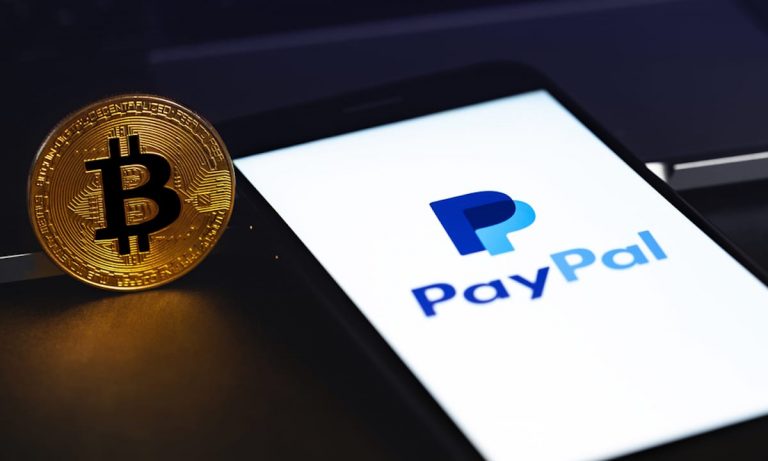
PayPal has expanded its USD-pegged stablecoin, PYUSD, to the Arbitrum blockchain, marking its first integration with an Ethereum Layer-2 network. Previously available on Ethereum (since August 2023) and Solana (since May 2024), PYUSD now leverages Arbitrum’s optimistic rollup technology for faster transactions and lower fees. This move aligns with PayPal’s goal to enhance digital payment efficiency and compete in the stablecoin market against Tether and Circle. Issued by Paxos, PYUSD is fully backed by USD deposits, US Treasury bonds, and similar assets, maintaining a 1:1 peg with the US dollar.
The expansion, reflected in PayPal’s updated terms on July 16, 2025, also introduces a rewards program offering daily yield for users holding at least 1.0 PYUSD in their Cryptocurrencies Hub, with no negative balances or restrictions. Arbitrum’s native token, ARB, surged 10% following the announcement, signaling market enthusiasm. The integration aims to boost PYUSD’s adoption, potentially mirroring its 45% market cap growth after the Solana expansion, despite its current $844 million valuation, down 17% from a June 2025 peak of $1.01 billion.
Arbitrum, as an Ethereum Layer-2 solution, offers faster transaction processing and lower gas fees compared to Ethereum’s mainnet. By integrating PYUSD with Arbitrum, PayPal enables cheaper and quicker transactions, making the stablecoin more attractive for everyday payments and DeFi applications. This could drive broader adoption of PYUSD in decentralized applications (dApps), particularly for microtransactions or high-frequency use cases where Ethereum’s high fees were prohibitive.
Register for Tekedia Mini-MBA edition 20 (June 8 – Sept 5, 2026).
Register for Tekedia AI in Business Masterclass.
Join Tekedia Capital Syndicate and co-invest in great global startups.
Register for Tekedia AI Lab.
PYUSD’s expansion to Arbitrum follows its integration with Solana, showing PayPal’s strategy to diversify across high-performance blockchains. This positions PYUSD to compete more effectively with dominant stablecoins like Tether (USDT) and USD Coin (USDC), which together hold over 80% of the stablecoin market.
With a market cap of $844 million (as of July 2025), PYUSD remains a smaller player, but its 45% market cap growth post-Solana suggests potential for further gains. Arbitrum’s growing DeFi ecosystem (with over $3 billion in total value locked) could amplify PYUSD’s utility and market share. The integration enhances Arbitrum’s appeal as a Layer-2 network, especially for institutional-backed projects. The 10% surge in ARB’s price post-announcement reflects market confidence in Arbitrum’s growing relevance.
PYUSD’s presence could attract more developers and users to Arbitrum, fostering new dApps and liquidity pools, further strengthening its position against competitors like Optimism and Polygon. PayPal’s rewards program, offering daily yield for holding at least 1.0 PYUSD, is a strategic move to encourage retail adoption. Unlike many crypto reward programs, it avoids negative balances or restrictive conditions, making it accessible to PayPal’s vast user base.

This could bridge the gap between traditional finance (TradFi) and decentralized finance (DeFi), as PayPal’s 400 million+ users gain exposure to crypto through a familiar platform. Issued by Paxos and backed 1:1 by USD and Treasury bonds, PYUSD benefits from regulatory oversight and transparency, appealing to risk-averse users and institutions. Arbitrum’s integration further aligns with PayPal’s push for compliant, scalable blockchain solutions.
Tether ($110 billion market cap) and USDC ($34 billion) dominate due to their early-mover advantage and widespread integration across blockchains and exchanges. PYUSD, with under $1 billion, faces a steep climb to gain market share. Despite PayPal’s brand and user base, PYUSD’s growth is constrained by limited exchange support (e.g., only 20% of top exchanges list it compared to 90% for USDT). Arbitrum’s DeFi ecosystem could help, but PYUSD needs broader adoption in lending protocols and trading pairs to close the gap.
PayPal’s rewards program and integration with its payment infrastructure give PYUSD a unique edge for retail users, unlike USDT or USDC, which focus heavily on institutional and DeFi use cases. Ethereum’s high fees and slower transaction speeds have driven adoption of Layer-2 solutions like Arbitrum and Layer-1 alternatives like Solana. PYUSD’s presence on both Arbitrum and Solana positions it to leverage their strengths—Arbitrum’s Ethereum compatibility and Solana’s high throughput.

The divide between blockchain ecosystems (e.g., Ethereum vs. Solana) creates fragmentation. PYUSD’s multi-chain strategy mitigates this but requires seamless cross-chain bridging, which remains technically complex and costly for users. A significant divide exists between crypto-savvy users and mainstream consumers. PayPal’s integration of PYUSD into its Cryptocurrencies Hub lowers the entry barrier, but crypto’s complexity (e.g., wallet management, gas fees) still deters mass adoption.
While USDT and USDC dominate institutional DeFi (e.g., liquidity pools, lending), PYUSD’s retail focus via PayPal’s platform targets everyday users. The rewards program could narrow this divide by incentivizing non-crypto natives to hold PYUSD. Stablecoins face varying regulatory scrutiny globally. PYUSD’s Paxos backing and PayPal’s compliance efforts align with U.S. regulations, giving it an edge in markets with strict oversight. However, competitors like Tether face criticism for transparency issues, creating a divide in trust and adoption.
Arbitrum’s integration may attract regulatory attention, as Layer-2 solutions are less tested in compliance frameworks compared to Ethereum or Solana. The expansion of PYUSD to Arbitrum strengthens PayPal’s position in the stablecoin race by leveraging Layer-2 scalability and appealing to both DeFi and retail users. It narrows the technological and adoption divides by offering cost-efficient transactions and user-friendly rewards.
However, the competitive divide remains stark, with PYUSD trailing USDT and USDC in market cap and ecosystem integration. To bridge this gap, PayPal must expand PYUSD’s exchange listings, DeFi integrations, and cross-chain functionality while capitalizing on Arbitrum’s growing ecosystem to drive adoption.