

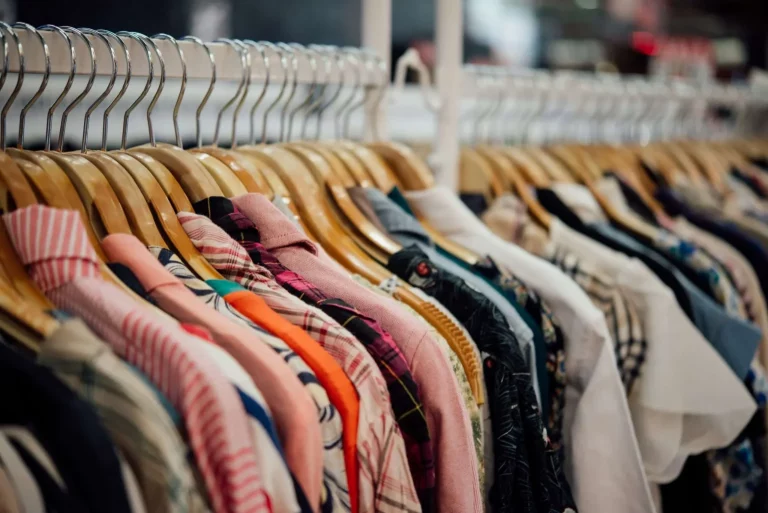
Clothing oneself is as essential as food for sustaining the body and prolonging life. However, clothing production is typically divided into two categories: fast fashion and sustainable fashion. Fast fashion involves the use of materials that are not environmentally friendly, along with consumers’ irresponsible use and disposal of clothing. In contrast, sustainable fashion prioritizes eco-friendly materials and processes. Every step in sustainable fashion is designed to minimize harm to the environment and ensure that the needs of future generations are not compromised.
Several reports have highlighted the global growth of fast fashion in contrast to sustainable fashion. One such report indicates that the international fast fashion market was valued at over USD 60 billion in 2022 and is expected to surpass USD 170 billion by 2030. According to a recent McKinsey report, 40% of U.S. and 26% of U.K. consumers shopped at fast fashion giants Shein or Temu in 2023.
Climate activists and other stakeholders have consistently argued that the fast fashion industry is responsible for a significant amount of global waste. This has created a tension between the fast fashion and sustainable fashion industries, with consumers caught in the middle. As our analysis of the views expressed by interviewed UK consumers indicates, there is a clear tension between affordability and ethical consumption, as well as concern for the environment.
Register for Tekedia Mini-MBA edition 20 (June 8 – Sept 5, 2026).
Register for Tekedia AI in Business Masterclass.
Join Tekedia Capital Syndicate and co-invest in great global startups.
Register for Tekedia AI Lab.
For many of us, our personal beliefs and values not only influence how we think about fast fashion brands and their sustainability initiatives, but also shape how we interact with the clothes we wear.
The Skepticism Behind the Hype
A prevailing sentiment among conscious consumers is one of deep skepticism. We’ve seen brands release “green” collections and issue sustainability reports, but when their core business model thrives on overproduction, low-wage labor, and resource-intensive supply chains, these efforts often feel disingenuous. “Greenwashing” is no longer a fringe accusation—it’s a widely acknowledged marketing strategy.
For those of us who prioritize sustainability and fairness, it’s not enough to slap a recycled label on a t-shirt. We’re demanding transparency, genuine reform, and a shift in priorities. As one respondent put it, “True sustainability means addressing the root issues, overproduction, worker exploitation, and waste, and making meaningful, transparent changes.”

Ethics Over Excess
Personal values like fairness, responsibility, and environmental stewardship play a critical role in how we evaluate fast fashion. For many, these aren’t abstract ideals—they’re guiding principles. “I believe that businesses have a duty not just to make a profit, but to do so ethically,” said one person, reflecting a broader view that profit should not come at the cost of human rights or ecological damage.
This ethical stance often translates into intentional consumer behaviour. While some are committed to reducing their fast fashion purchases or avoiding them altogether, others are choosing quality over quantity. “I will always support quality over quantity,” one response read, a philosophy that not only promotes longevity in clothing but inherently resists the fast fashion cycle of disposability.

The Affordability Dilemma
However, values don’t exist in a vacuum, and ethical intent often collides with economic reality. Sustainable clothing can be prohibitively expensive. Many consumers are torn between wanting to do the right thing and being able to afford it. “I wish I could partake sustainably, but I can’t afford it,” one person admitted. Others echoed similar frustrations, revealing a painful awareness of the ethical compromise they feel forced to make.
It’s a reminder that the sustainability conversation must also address accessibility. If sustainable fashion is only available to those with disposable income, it will never become a widespread solution. Fast fashion’s appeal lies in its affordability and convenience; unless sustainable alternatives can offer comparable benefits, ethical shopping will remain a privilege, not a norm.
Not Everyone Is Thinking About It
Interestingly, not all consumers are driven by values when it comes to fashion choices. Some admit they’ve never thought about the sustainability of the brands they buy from. Others prioritize comfort, style, or price, with little regard for ethical concerns. “I’m not that big on sustainability. I buy based on fashion appeal,” one respondent said bluntly. For these individuals, fast fashion serves a functional or stylistic purpose that outweighs moral considerations.
This spectrum of awareness and concern is a crucial insight. While some are deeply influenced by environmental ethics or labor practices, others are either disengaged or unaware. There’s still a gap in education and outreach, and brands have a role to play in helping close it, not through performative marketing, but through genuine engagement and transparency.
The Emotional Tug-of-War
Even among those who are aware, fast fashion can trigger a conflicted emotional response. Guilt and frustration are common. “I feel guilt over purchasing fast fashion, but not enough to completely stop,” one person shared. This emotional tug-of-war illustrates just how complex the issue is. Values may guide intention, but budget, convenience, and habit often guide action.
Still, there’s hope in incremental change. Many consumers are making conscious efforts to reduce their purchases, buy secondhand, or support local artisans. Some are simply buying less. These actions may seem small, but collectively they send a powerful message: consumers are watching, thinking, and acting.
Toward a More Responsible Fashion Future
Fast fashion isn’t going away tomorrow, but our collective mindset is shifting. The way people talk about their clothing choices today (with self-awareness, critique, and a desire for change) signals a growing demand for a better system.
For brands, this means the bar is rising. A sustainability initiative can no longer be a footnote in a CSR report. It needs to be embedded in the entire business model. Transparency, fairness, quality, and long-term environmental impact must be at the core, not just for show, but for real.