

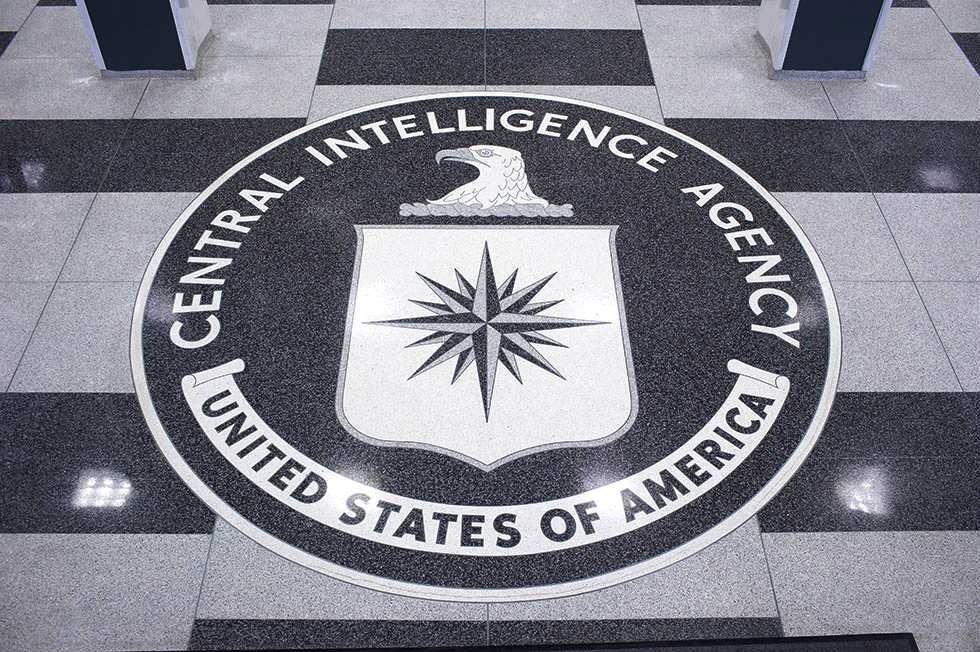
The arrest of a senior CIA official by the FBI after authorities allegedly discovered $40 million worth of gold bars hidden inside his home has sent shockwaves across the American intelligence community.
The dramatic case, which has quickly become one of the most talked-about national security scandals in recent years, raises serious questions about corruption, abuse of power, and accountability within some of the most secretive institutions in the United States government.
According to investigators, the gold bars were uncovered during a federal search operation linked to an ongoing financial crimes investigation.
Reports indicate that the FBI had been monitoring suspicious financial activities connected to the unnamed CIA official for several months before obtaining a warrant to search his residence. What agents reportedly found stunned even experienced investigators: stacks of gold bars worth an estimated $40 million concealed in secure rooms and hidden compartments throughout the property.
Register for the next Tekedia Mini-MBA.
Register for Tekedia AI in Business Masterclass.
Join Tekedia Capital Syndicate and co-invest in great global startups.
The discovery immediately fueled speculation about the source of the wealth. Intelligence officials, despite having access to classified operations and significant influence, are not typically associated with fortunes of such magnitude. The enormous amount of hidden gold has therefore triggered concerns about possible bribery, money laundering, illegal foreign payments, or covert dealings involving international actors.
Gold has historically been viewed as a preferred asset for concealing wealth because it is difficult to trace, highly valuable, and universally recognized. Unlike digital transactions, physical gold leaves fewer records and can be moved discreetly across borders. Financial crime experts suggest that individuals attempting to hide illicit wealth often rely on precious metals as a safeguard against detection by banking regulators and tax authorities.
The implications of this scandal extend far beyond financial misconduct. The CIA operates at the center of America’s national security structure, conducting intelligence gathering, covert operations, and sensitive diplomatic missions around the world. Any allegation that a high-ranking official may have used their position for personal enrichment threatens public trust in institutions already facing growing scrutiny and political polarization.

The case also highlights the increasingly aggressive role of the FBI in pursuing corruption cases involving government officials. Over the past decade, federal investigators have expanded efforts to monitor suspicious financial networks, offshore holdings, and unexplained wealth among politically connected individuals. If prosecutors are able to prove criminal intent, the case could become one of the most significant anti-corruption prosecutions involving a U.S. intelligence official in modern history.
Public reaction has been intense, especially on social media, where many Americans expressed disbelief that such a massive cache of gold could allegedly remain hidden for years without detection.
Critics argue that the scandal reflects broader systemic weaknesses in oversight mechanisms within intelligence agencies. Others caution against rushing to conclusions before all evidence is presented in court, emphasizing that the accused official remains innocent until proven guilty. Regardless of the final legal outcome, the arrest has already damaged the reputation of institutions designed to protect national security and uphold the law.
The image of federal agents uncovering millions of dollars in gold bars inside the home of a senior intelligence figure reads almost like a political thriller, yet it underscores a very real concern: unchecked power and secrecy can create environments where corruption flourishes. As the investigation unfolds, the world will be watching closely. The case may ultimately reshape discussions around transparency, ethics, and accountability within America’s intelligence apparatus for years to come.
