

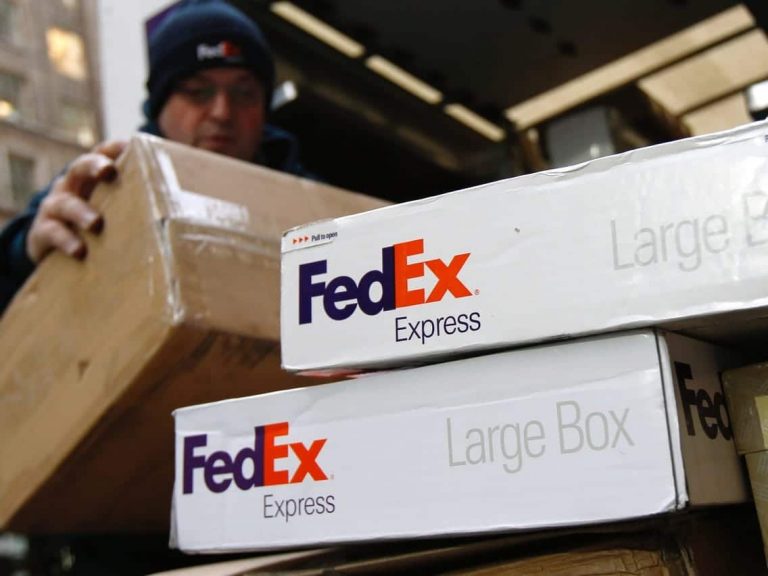
FedEx has filed a lawsuit against the U.S. government seeking a full refund of tariffs it paid under emergency powers invoked by President Donald Trump.
FedEx sued in the U.S. Court of International Trade. The suit targets U.S. Customs and Border Protection (CBP) and its commissioner, Rodney Scott, along with the U.S. government. FedEx is seeking reimbursement for all duties paid under tariffs imposed via the International Emergency Economic Powers Act (IEEPA) of 1977.
This action follows a U.S. Supreme Court ruling on February 20, 2026 (last Friday), in a 6-3 decision, which found that President Trump exceeded his authority by using IEEPA to impose these broad tariffs unilaterally.
The Court ruled that such tariffs require congressional approval, deeming them illegal. FedEx, acting as an importer of record for affected goods, stated it had “suffered injury” from these payments and is requesting a “full refund” of all IEEPA duties paid, potentially including interest.
Register for Tekedia Mini-MBA edition 20 (June 8 – Sept 5, 2026).
Register for Tekedia AI in Business Masterclass.
Join Tekedia Capital Syndicate and co-invest in great global startups.
Register for Tekedia AI Lab.
The company did not disclose a specific dollar amount in the complaint, but earlier estimates suggested FedEx could face around a $1 billion hit in 2026 from these tariffs plus related changes like ending de minimis exemptions for small packages under $800.
This appears to be the first major U.S. company to file such a suit following the Supreme Court decision. Analysts expect many other importers and businesses to follow, as over $175 billion in collected tariff revenue could be subject to potential refunds.
FedEx described the filing as a step to protect its rights, noting that no formal refund process has yet been established by regulators or courts. This development stems from Trump’s “Liberation Day” tariffs which aimed at various imports but were challenged on constitutional grounds regarding executive overreach in trade policy.

The case could set precedents for widespread refund claims. UPS, as a direct competitor to FedEx in global shipping and logistics, faced comparable exposure to the IEEPA tariffs. These duties applied to imported goods, and carriers like UPS often acted as the importer of record or handled customs clearance, bearing or passing on costs through fees, brokerage charges, or higher shipping rates.
UPS likely incurred substantial tariff-related expenses in 2025–2026, though no specific figure has been publicly disclosed for UPS similar to FedEx’s estimated ~$1 billion exposure before the ruling. With the tariffs now deemed illegal, UPS stands to potentially recover payments made, plus interest, if a refund process materializes.
UPS has not yet filed a lawsuit seeking refunds unlike FedEx’s February 23 filing in the U.S. Court of International Trade. However, UPS has publicly acknowledged the ruling: On February 20, it noted the Supreme Court’s decision and stated it would follow U.S. Customs and Border Protection (CBP) guidance.
CBP confirmed it would stop collecting IEEPA tariffs effective February 24, 2026. UPS indicated it will cease such collections accordingly and comply with any future directives on refunds or new tariffs.
Analysts expect UPS to join the wave of refund claims, as thousands of importers including major firms are positioned to seek relief. The lack of an established refund mechanism yet creates uncertainty, but UPS’s scale positions it well for potential recovery if courts or CBP establish procedures.

In the interim, Trump imposed a new temporary 10–15% global tariff under Section 122 of the Trade Act of 1974, which could offset some relief. Amazon, a massive importer and e-commerce platform reliant on overseas suppliers especially from China and other trading partners, was heavily affected by the tariffs.
They disrupted supply chains, raised costs for third-party sellers, and contributed to price increases for consumers on many goods. Amazon’s stock rose notably around 2–3% immediately after the February 20 ruling, alongside other e-commerce players like Etsy and Wayfair. This reflected investor optimism that ending the IEEPA tariffs would ease cost pressures, improve margins, and reduce the need for price hikes or supply chain shifts.
As a major importer, Amazon could be eligible for significant refunds on duties paid potentially in the hundreds of millions or more, though no exact amount is public. However, Amazon has not filed a lawsuit for tariff refunds. Many companies; Costco, which sued pre-ruling preserved rights through prior actions, and the ruling opens the door broadly.
Amazon may pursue claims administratively via CBP or through court if needed, but no announcements have emerged yet. The tariffs exacerbated challenges for Amazon’s global sourcing and Prime delivery ecosystem. Ending them could lower input costs, benefit sellers, and stabilize pricing.
However, Trump’s rapid imposition of replacement tariffs under other authorities introduces ongoing uncertainty. Consumers who faced higher prices are unlikely to receive direct refunds—refunds would primarily go to importers like Amazon, with no obligation to pass savings onward.
FedEx’s lawsuit appears to be the first major post-ruling filing, potentially paving the way for others like UPS and Amazon. Over $175 billion in collected IEEPA revenue is now at risk of refunds, but the process remains unclear and could involve prolonged litigation in the Court of International Trade.
Businesses may use any recovered funds to offset costs rather than lower prices immediately. The situation evolves quickly, with new tariffs already in play and more legal challenges expected.