

For years, robotics companies have focused on tasks that appear far more impressive than folding laundry. Robots have been developed to assemble cars, move packages through warehouses, inspect infrastructure and perform highly precise operations in factories.
Yet a surprising number of billion-dollar robotics startups are increasingly interested in something much more ordinary: picking up clothes and folding them.
At first glance, laundry seems like an odd target for advanced robotics. It is slow, repetitive and hardly considered a technological frontier.
But precisely because it is mundane, unpredictable and difficult, folding laundry has become an important test for the capabilities required to build genuinely useful household robots. Industrial robots typically operate in controlled environments.
Register for the next Tekedia Mini-MBA.
Register for Tekedia AI in Business Masterclass.
Join Tekedia Capital Syndicate and co-invest in great global startups.
A manufacturing robot knows where a component should be, how it should be positioned and what movement it needs to make. Clothing presents almost the opposite challenge.
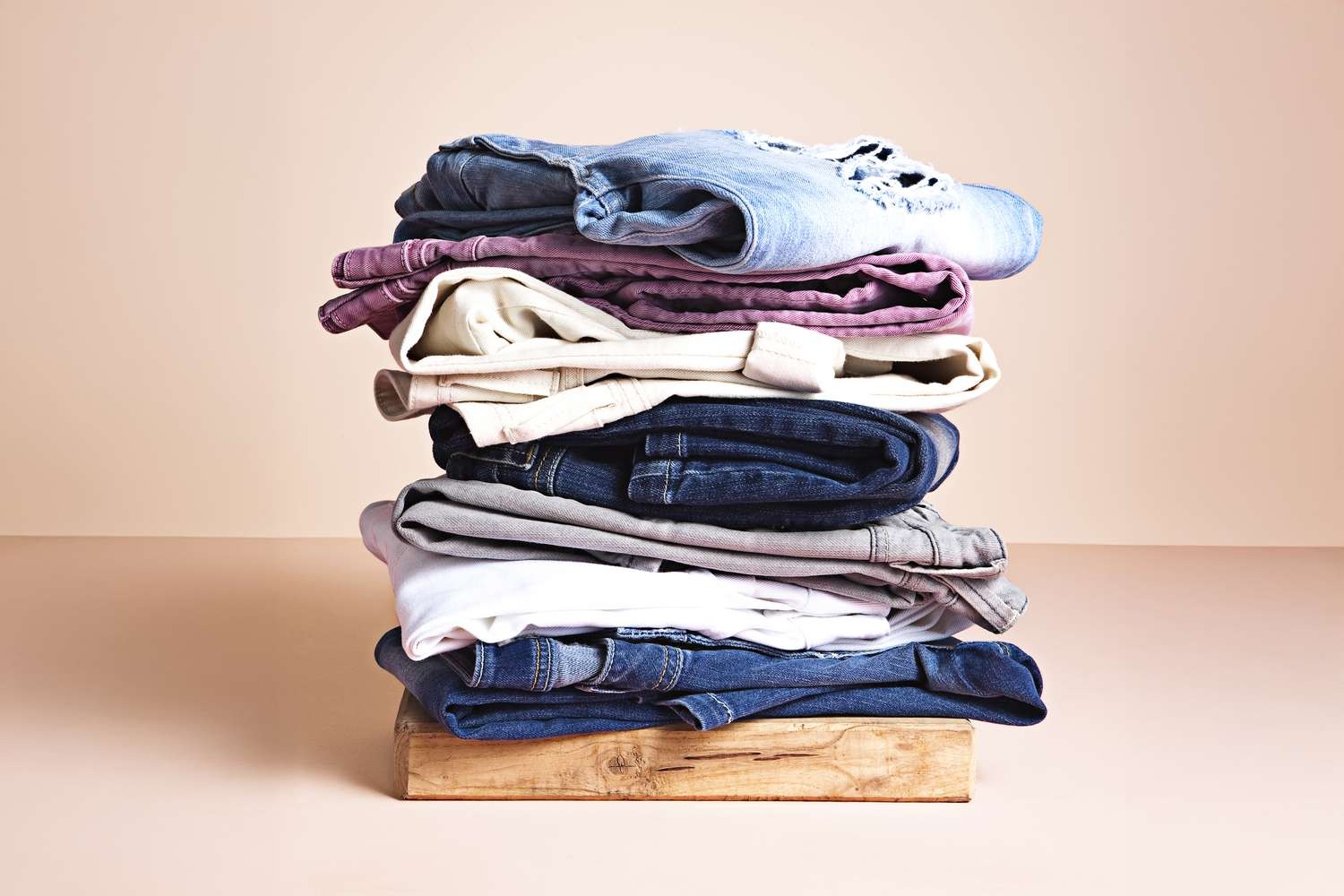
A shirt can be crumpled, inside out, partially hidden beneath another garment or twisted into an unpredictable shape. Its appearance changes constantly, and there is no single correct way to pick it up.
That makes laundry a surprisingly sophisticated robotics problem. A robot capable of reliably folding clothes needs to combine computer vision, tactile sensing, motion planning, manipulation and artificial intelligence.
It must identify individual garments, understand their shape, determine where to grasp them and manipulate soft material without losing control. It also needs to recover when something goes wrong.

This is where the broader ambitions of robotics startups become important. Companies valued at billions of dollars are not necessarily building machines simply because consumers desperately want an automated laundry assistant. They are using laundry as a benchmark for general-purpose physical intelligence.
The fundamental goal is to create robots that can operate in environments designed for humans without requiring every object or situation to be precisely programmed. Homes are particularly difficult because they contain thousands of objects with different shapes, textures and uses.
A robot that can successfully handle clothing could potentially apply similar capabilities to towels, bedding, groceries, dishes and countless other household tasks.
Artificial intelligence is accelerating this effort. Modern robotics systems can increasingly learn from demonstrations, simulations and enormous datasets rather than relying exclusively on manually programmed instructions.

Advances in vision-language-action models are also allowing robots to connect visual observations with physical actions. Laundry exposes one of robotics’ biggest remaining problems: the gap between understanding and doing.
An AI model might easily recognize a shirt in a photograph. Manipulating that shirt in the real world is another matter entirely. The robot must account for gravity, friction, wrinkles, fabric elasticity and its own physical limitations. A tiny mistake in positioning can turn a simple folding task into a tangled mess.
This difficulty is precisely what makes the problem valuable. If a company can build a robot that consistently performs such unpredictable household tasks, it demonstrates capabilities that could extend far beyond laundry.
The global household contains billions of repetitive chores performed every day. Even partial automation could create a massive consumer market. Unlike industrial automation, which is largely sold to businesses, successful home robots could become consumer electronics platforms with recurring software, services and upgrade opportunities.
The obsession with folding laundry therefore reflects something larger than a fascination with domestic chores. It represents the robotics industry’s attempt to move from machines that perform predefined tasks to machines that can understand and interact with the messy physical world.