

The debate over artificial intelligence is increasingly shifting from how quickly companies can build more powerful models to how responsibly they can manage the risks associated with the technology.
A former OpenAI researcher has underscored that concern by pledging to donate his equity toward AI safety, arguing that everything else is a distraction.
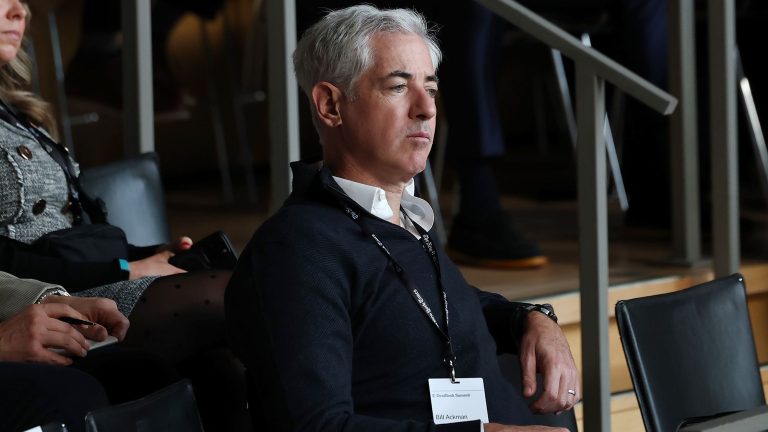
Meanwhile, billionaire investor Bill Ackman has stirred a separate debate about Nvidia’s leadership, criticizing the company’s board for failing to bring back chief executive Jensen Huang, highlighting the importance of leadership and strategic direction in the AI industry.
Register for the next Tekedia Mini-MBA.
Register for Tekedia AI in Business Masterclass.
Join Tekedia Capital Syndicate and co-invest in great global startups.
The former OpenAI researcher’s decision to dedicate his equity to AI safety reflects growing concerns among industry insiders about the consequences of developing increasingly advanced AI systems without adequate safeguards.
AI safety has become a major issue among researchers, policymakers and technology executives, with questions surrounding autonomous systems, misinformation, cybersecurity, job displacement and the potential loss of human control over increasingly sophisticated models.
By committing his equity to safety-related efforts, the researcher is signaling that financial incentives and commercial ambitions should not overshadow the responsibility to ensure AI benefits society.

His statement that “Everything else is a distraction” highlights the urgency of addressing AI risks before the technology becomes even more deeply integrated into critical infrastructure, financial systems, healthcare and everyday decision-making.
While AI companies are competing aggressively to develop more capable models, safety advocates argue that the race for technological supremacy could encourage shortcuts, insufficient testing and weaker oversight.
The financial resources generated by the AI boom could therefore play an important role in funding research, independent evaluations and initiatives designed to reduce risks associated with advanced AI.

The pledge reflects a broader conversation about whether AI developers should prioritize long-term societal interests over short-term commercial objectives.
As companies attract billions of dollars in investments and compete for dominance, researchers and industry veterans are increasingly exploring ways to support independent safety organizations, establish responsible development standards and improve transparency.
Such initiatives could become more important as AI systems gain capabilities that make them harder to predict, monitor and control.
At the same time, Bill Ackman’s criticism of Nvidia’s board highlights the importance of corporate governance in the rapidly expanding AI industry.
The billionaire investor has reportedly questioned the board’s decision-making regarding Jensen Huang, arguing that bringing back the influential executive would be an important move.
Nvidia has become one of the most consequential companies in the AI ecosystem, benefiting from enormous demand for graphics processing units and computing infrastructure used to train and deploy advanced AI models.
Huang’s leadership has been closely associated with Nvidia’s transformation from a graphics-chip manufacturer into a dominant supplier of AI computing infrastructure.
His strategic decisions, including investments in accelerated computing, software ecosystems and data-center technologies, have helped position Nvidia at the center of the AI boom.
Ackman’s criticism therefore reflects concerns about whether the board is making decisions that adequately protect the company’s long-term competitive advantage and shareholder interests.
However, corporate leadership decisions remain complex, requiring boards to balance succession planning, executive responsibilities, strategic priorities and shareholder expectations.
Nvidia’s ability to maintain its technological advantage will depend not only on leadership but also on innovation, competition, supply-chain resilience and continued demand for AI infrastructure.
The developments illustrate two different dimensions of the AI revolution: the growing responsibility to manage technological risks and the corporate leadership decisions shaping the industry’s future.
While AI safety advocates emphasize the need to prioritize humanity’s long-term interests, investors remain focused on the leadership and strategy behind the companies driving the technology forward.