

12 Turkish Soldiers Killed by Methane Gas in Iraq During Cave Recovery Mission

Quote from Alex Bobby on July 9, 2025, 3:03 AM
Tragedy in the Mountains: Methane Gas Kills 12 Turkish Soldiers During Iraq Cave Operation
Mission to recover fallen comrade ends in disaster as toxic gas claims lives of Turkish troops in northern IraqA somber cloud hangs over Turkey’s military establishment following the deaths of 12 soldiers exposed to methane gas during a search operation inside a cave in northern Iraq. The Turkish Defence Ministry confirmed the incident on Monday, calling it a “tragic event” and expressing deep sorrow over the loss of its personnel.
The troops had embarked on a sensitive mission: to recover the remains of a fellow soldier who was killed by Kurdish militants three years ago. However, the operation took a devastating turn when 19 soldiers were suddenly exposed to methane gas—a colourless, odourless, and highly toxic substance often found in poorly ventilated underground environments.
Deadly Operation in Hostile Terrain
According to officials, the fatal exposure began on Sunday when five soldiers died inside the cave, which is located in a remote, mountainous part of northern Iraq. Despite emergency efforts, another seven soldiers succumbed to the effects of the gas on Monday. The condition of the remaining seven who were also exposed remains uncertain.
The operation was part of Turkey’s ongoing military campaign in the region, initiated in April 2022, targeting the Kurdistan Workers' Party (PKK), a Kurdish militant group considered a terrorist organisation by Turkey, the United States, and the European Union. The PKK has waged a decades-long insurgency against the Turkish state, with tens of thousands killed in the conflict since the 1980s.
The cave in question, situated at an altitude of 852 meters, was previously used by the PKK as a field hospital. According to Turkish military sources, it was likely that the buildup of methane gas occurred due to biological decomposition and lack of proper ventilation, creating a lethal trap for anyone who entered without specialised detection equipment.
National Grief and Military Response
Turkey’s Defence Minister Yasar Güler traveled to the site of the tragedy along with senior military officials to assess the situation and participate in a formal repatriation ceremony for the deceased soldiers. Speaking during the ceremony, Güler offered heartfelt praise for the fallen troops, calling them “heroes who carried out their duties with great courage and sacrifice.”
“Our grief is immense and our feelings are beyond words,” he stated. “These soldiers gave their lives not just for their country, but for the sacred duty of bringing a fallen comrade home.”
Flags flew at half-mast across Turkish military installations as tributes poured in from across the nation. President Recep Tayyip Erdoğan also issued a statement expressing deep condolences to the families of the soldiers and pledging support for those still receiving medical treatment.
Background: A Conflict at a Crossroads
The operation took place amid a significant moment in the long-running conflict between Turkey and the PKK. In May, PKK leadership announced plans to disarm and transition toward a political resolution, signalling a potential end to the violence that has scarred generations. The group stated that its fighters would begin surrendering their weapons in the coming days, offering a glimmer of hope for peace in the troubled region.
However, tensions remain high, and operations like the one that ended in tragedy this week underscore the ongoing risks on the ground. Turkey has maintained a military presence in parts of northern Iraq for years, conducting operations aimed at eliminating PKK bases and supply lines in the mountainous terrain bordering its southeastern provinces.
Safety Concerns and Lessons for Future Operations
The incident has also raised questions about the safety protocols in place during such high-risk missions. Methane gas is a well-known hazard in enclosed and underground spaces, particularly in abandoned or poorly ventilated areas such as caves. Critics argue that more advanced detection and protective equipment should have been deployed to ensure the safety of the soldiers involved.
Military analysts have called for a thorough review of operational procedures to prevent similar tragedies in the future. “This was a mission of honour, but also one of high risk,” said defence analyst Murat Aslan. “Given the known dangers of subterranean environments, we must invest in better gas detection technologies and safety measures.”
Looking Forward
As Turkey grieves the loss of 12 brave soldiers, attention must now shift toward preventing such tragedies in the future. This heartbreaking incident underscores the urgent need for enhanced safety protocols during high-risk missions, especially those conducted in hazardous environments like underground caves. Investing in advanced detection technologies, proper training, and pre-operational risk assessments is no longer optional—it’s essential.
At the same time, with the PKK signalling a willingness to disarm and explore a peaceful resolution, there is cautious optimism that decades of bloodshed might soon give way to dialogue. If diplomacy replaces warfare, missions like the one that ended in tragedy may no longer be necessary. The ultimate tribute to the fallen would be ensuring that future soldiers are not sent into danger for conflicts that peace can resolve.
Conclusion
The deaths of 12 Turkish soldiers in northern Iraq mark a painful chapter in the country’s ongoing military campaign and a heartbreaking reminder of the human cost of conflict. What began as a solemn mission to recover a fallen hero has now claimed the lives of 12 more. As the Turkish military and nation mourn this loss, questions remain about operational safety and the path forward in a region long plagued by war.
Yet amid the sorrow, the gesture to recover a fallen comrade speaks volumes about the values of loyalty and sacrifice that define the armed forces. And with new signs of peace on the horizon, many hope that such missions will soon become a thing of the past—not because the duty is forgotten, but because the violence that makes it necessary is finally ended.
Meta Description:
Twelve Turkish soldiers died after being exposed to methane gas during a cave operation in northern Iraq. The troops were on a mission to recover the remains of a fallen comrade.
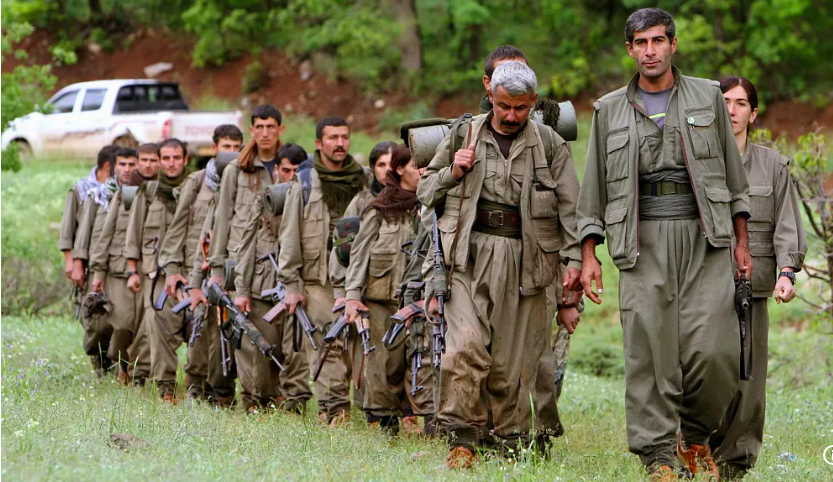
Tragedy in the Mountains: Methane Gas Kills 12 Turkish Soldiers During Iraq Cave Operation
Mission to recover fallen comrade ends in disaster as toxic gas claims lives of Turkish troops in northern Iraq
A somber cloud hangs over Turkey’s military establishment following the deaths of 12 soldiers exposed to methane gas during a search operation inside a cave in northern Iraq. The Turkish Defence Ministry confirmed the incident on Monday, calling it a “tragic event” and expressing deep sorrow over the loss of its personnel.
The troops had embarked on a sensitive mission: to recover the remains of a fellow soldier who was killed by Kurdish militants three years ago. However, the operation took a devastating turn when 19 soldiers were suddenly exposed to methane gas—a colourless, odourless, and highly toxic substance often found in poorly ventilated underground environments.
Register for Tekedia Mini-MBA edition 20 (June 8 – Sept 5, 2026).
Register for Tekedia AI in Business Masterclass.
Join Tekedia Capital Syndicate and co-invest in great global startups.
Register for Tekedia AI Lab.
Deadly Operation in Hostile Terrain
According to officials, the fatal exposure began on Sunday when five soldiers died inside the cave, which is located in a remote, mountainous part of northern Iraq. Despite emergency efforts, another seven soldiers succumbed to the effects of the gas on Monday. The condition of the remaining seven who were also exposed remains uncertain.
The operation was part of Turkey’s ongoing military campaign in the region, initiated in April 2022, targeting the Kurdistan Workers' Party (PKK), a Kurdish militant group considered a terrorist organisation by Turkey, the United States, and the European Union. The PKK has waged a decades-long insurgency against the Turkish state, with tens of thousands killed in the conflict since the 1980s.

The cave in question, situated at an altitude of 852 meters, was previously used by the PKK as a field hospital. According to Turkish military sources, it was likely that the buildup of methane gas occurred due to biological decomposition and lack of proper ventilation, creating a lethal trap for anyone who entered without specialised detection equipment.
National Grief and Military Response
Turkey’s Defence Minister Yasar Güler traveled to the site of the tragedy along with senior military officials to assess the situation and participate in a formal repatriation ceremony for the deceased soldiers. Speaking during the ceremony, Güler offered heartfelt praise for the fallen troops, calling them “heroes who carried out their duties with great courage and sacrifice.”

“Our grief is immense and our feelings are beyond words,” he stated. “These soldiers gave their lives not just for their country, but for the sacred duty of bringing a fallen comrade home.”
Flags flew at half-mast across Turkish military installations as tributes poured in from across the nation. President Recep Tayyip Erdoğan also issued a statement expressing deep condolences to the families of the soldiers and pledging support for those still receiving medical treatment.
Background: A Conflict at a Crossroads
The operation took place amid a significant moment in the long-running conflict between Turkey and the PKK. In May, PKK leadership announced plans to disarm and transition toward a political resolution, signalling a potential end to the violence that has scarred generations. The group stated that its fighters would begin surrendering their weapons in the coming days, offering a glimmer of hope for peace in the troubled region.
However, tensions remain high, and operations like the one that ended in tragedy this week underscore the ongoing risks on the ground. Turkey has maintained a military presence in parts of northern Iraq for years, conducting operations aimed at eliminating PKK bases and supply lines in the mountainous terrain bordering its southeastern provinces.
Safety Concerns and Lessons for Future Operations
The incident has also raised questions about the safety protocols in place during such high-risk missions. Methane gas is a well-known hazard in enclosed and underground spaces, particularly in abandoned or poorly ventilated areas such as caves. Critics argue that more advanced detection and protective equipment should have been deployed to ensure the safety of the soldiers involved.
Military analysts have called for a thorough review of operational procedures to prevent similar tragedies in the future. “This was a mission of honour, but also one of high risk,” said defence analyst Murat Aslan. “Given the known dangers of subterranean environments, we must invest in better gas detection technologies and safety measures.”
Looking Forward
As Turkey grieves the loss of 12 brave soldiers, attention must now shift toward preventing such tragedies in the future. This heartbreaking incident underscores the urgent need for enhanced safety protocols during high-risk missions, especially those conducted in hazardous environments like underground caves. Investing in advanced detection technologies, proper training, and pre-operational risk assessments is no longer optional—it’s essential.
At the same time, with the PKK signalling a willingness to disarm and explore a peaceful resolution, there is cautious optimism that decades of bloodshed might soon give way to dialogue. If diplomacy replaces warfare, missions like the one that ended in tragedy may no longer be necessary. The ultimate tribute to the fallen would be ensuring that future soldiers are not sent into danger for conflicts that peace can resolve.
Conclusion
The deaths of 12 Turkish soldiers in northern Iraq mark a painful chapter in the country’s ongoing military campaign and a heartbreaking reminder of the human cost of conflict. What began as a solemn mission to recover a fallen hero has now claimed the lives of 12 more. As the Turkish military and nation mourn this loss, questions remain about operational safety and the path forward in a region long plagued by war.
Yet amid the sorrow, the gesture to recover a fallen comrade speaks volumes about the values of loyalty and sacrifice that define the armed forces. And with new signs of peace on the horizon, many hope that such missions will soon become a thing of the past—not because the duty is forgotten, but because the violence that makes it necessary is finally ended.
Meta Description:
Twelve Turkish soldiers died after being exposed to methane gas during a cave operation in northern Iraq. The troops were on a mission to recover the remains of a fallen comrade.
Share this:
- Click to share on Facebook (Opens in new window) Facebook
- Click to share on X (Opens in new window) X
- Click to share on WhatsApp (Opens in new window) WhatsApp
- Click to share on LinkedIn (Opens in new window) LinkedIn
- Click to email a link to a friend (Opens in new window) Email
- Click to print (Opens in new window) Print