

Africa Energy Bank Launches in Nigeria: A Boost for the Oil & Gas Industry?

Quote from Alex Bobby on February 19, 2025, 3:21 AM
Africa's Energy Crossroads: Balancing Development with Climate Realities
A group of African nations is poised to launch the Africa Energy Bank, a financial institution dedicated to funding oil and gas projects. This initiative comes at a critical juncture, as Western institutions increasingly shy away from investing in fossil fuels due to climate concerns. The bank's backers argue it's a vital tool for boosting Africa's energy supply and driving economic growth, while critics warn of the risks associated with doubling down on fossil fuels in a rapidly changing global landscape. This situation highlights the complex energy challenges facing the continent, caught between the urgent need for development and the imperative to address climate change.
Caught between a rock and a hard place
The Africa Energy Bank, a joint venture between the African Export-Import Bank (Afreximbank) and the African Petroleum Producers’ Organisation (APPO), aims to address the continent's dire energy deficit. Millions of Africans lack access to electricity, hindering economic progress and perpetuating poverty. Proponents argue that the bank will provide crucial funding for projects that can alleviate this energy crisis, enabling industrialization and improving living standards. They point to Africa's vast natural resources and the need to utilize them to meet the immediate needs of its population.
However, the bank's focus on fossil fuels has drawn criticism from climate activists and experts. They argue that investing in new oil and gas projects carries significant risks. These projects could become "stranded assets" as the world transitions to cleaner energy sources, leaving African nations with substantial debt and unusable infrastructure. Furthermore, continuing reliance on fossil fuels contradicts global efforts to mitigate climate change and could lock Africa into a carbon-intensive development path.
The dilemma is stark. Africa faces immense pressure to develop its economies and provide its citizens with basic necessities like electricity. The World Bank and other Western institutions are increasingly restricting funding for fossil fuel projects, creating a financial gap that the Africa Energy Bank aims to fill. African leaders argue that they have a right to develop their natural resources, especially considering the continent's minimal contribution to historical greenhouse gas emissions and its disproportionate vulnerability to climate change impacts. They emphasise the urgent need to address energy poverty and drive industrialisation, arguing that a rapid transition to renewable energy is not feasible in their current context.
Africa’s context is ‘different’
The energy poverty in Africa is undeniable. The number of people without access to electricity has actually increased in recent years, with over 600 million Africans currently living in the dark. This lack of power severely restricts economic activity, hindering the development of key industries like manufacturing, which is crucial for job creation and economic diversification. The continent's energy needs are immense, and closing the gap is essential for lifting millions out of poverty.
However, the long-term viability of relying on fossil fuels is questionable. The global push for decarbonization is accelerating, and the demand for oil and gas is expected to decline in the coming decades. Investing in long-term fossil fuel projects carries the risk of those investments becoming obsolete and unprofitable, leaving African nations with a heavy debt burden.
A more sustainable approach would involve leveraging Africa's abundant renewable energy resources. The continent has enormous potential for solar, wind, and geothermal energy, far exceeding its projected energy needs. Furthermore, renewable energy technologies are becoming increasingly cost-competitive with fossil fuels. The challenge lies in mobilising the necessary investments and developing the infrastructure to harness these resources effectively.‘Huge’ renewable energy potential
The key to Africa's energy future lies in finding a balance between addressing immediate development needs and investing in a sustainable, low-carbon future. While fossil fuels may play a transitional role in the short term, the long-term focus must be on developing renewable energy resources and building a green economy. This requires a shift in investment priorities, with development banks and international partners playing a crucial role in supporting the transition.
Instead of focusing solely on exporting raw materials, African nations need to develop regional industrial plans that leverage renewable energy to power domestic manufacturing. This will create jobs, boost economic growth, and reduce reliance on fossil fuels. It also requires a move away from the "resource trap," where countries are locked into exporting raw materials to service debt, hindering their ability to diversify and develop their economies.
Conclusion
The Africa Energy Bank represents a complex and multifaceted challenge. While the need for increased energy access is undeniable, the path forward must be carefully considered. Doubling down on fossil fuels carries significant risks, while a transition to renewable energy offers a more sustainable and prosperous future for the continent. The key lies in finding a balance, leveraging existing fossil fuel infrastructure while simultaneously investing in the development of Africa's vast renewable energy potential. This will require a concerted effort from African governments, development banks, and international partners to create a sustainable energy future for the continent.
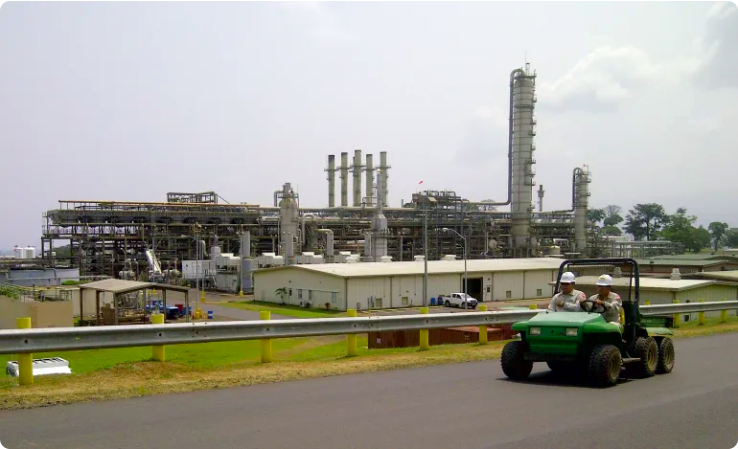
Africa's Energy Crossroads: Balancing Development with Climate Realities
A group of African nations is poised to launch the Africa Energy Bank, a financial institution dedicated to funding oil and gas projects. This initiative comes at a critical juncture, as Western institutions increasingly shy away from investing in fossil fuels due to climate concerns. The bank's backers argue it's a vital tool for boosting Africa's energy supply and driving economic growth, while critics warn of the risks associated with doubling down on fossil fuels in a rapidly changing global landscape. This situation highlights the complex energy challenges facing the continent, caught between the urgent need for development and the imperative to address climate change.
Caught between a rock and a hard place
The Africa Energy Bank, a joint venture between the African Export-Import Bank (Afreximbank) and the African Petroleum Producers’ Organisation (APPO), aims to address the continent's dire energy deficit. Millions of Africans lack access to electricity, hindering economic progress and perpetuating poverty. Proponents argue that the bank will provide crucial funding for projects that can alleviate this energy crisis, enabling industrialization and improving living standards. They point to Africa's vast natural resources and the need to utilize them to meet the immediate needs of its population.
However, the bank's focus on fossil fuels has drawn criticism from climate activists and experts. They argue that investing in new oil and gas projects carries significant risks. These projects could become "stranded assets" as the world transitions to cleaner energy sources, leaving African nations with substantial debt and unusable infrastructure. Furthermore, continuing reliance on fossil fuels contradicts global efforts to mitigate climate change and could lock Africa into a carbon-intensive development path.
Register for Tekedia Mini-MBA edition 20 (June 8 – Sept 5, 2026).
Register for Tekedia AI in Business Masterclass.
Join Tekedia Capital Syndicate and co-invest in great global startups.
Register for Tekedia AI Lab.
The dilemma is stark. Africa faces immense pressure to develop its economies and provide its citizens with basic necessities like electricity. The World Bank and other Western institutions are increasingly restricting funding for fossil fuel projects, creating a financial gap that the Africa Energy Bank aims to fill. African leaders argue that they have a right to develop their natural resources, especially considering the continent's minimal contribution to historical greenhouse gas emissions and its disproportionate vulnerability to climate change impacts. They emphasise the urgent need to address energy poverty and drive industrialisation, arguing that a rapid transition to renewable energy is not feasible in their current context.
Africa’s context is ‘different’
The energy poverty in Africa is undeniable. The number of people without access to electricity has actually increased in recent years, with over 600 million Africans currently living in the dark. This lack of power severely restricts economic activity, hindering the development of key industries like manufacturing, which is crucial for job creation and economic diversification. The continent's energy needs are immense, and closing the gap is essential for lifting millions out of poverty.
However, the long-term viability of relying on fossil fuels is questionable. The global push for decarbonization is accelerating, and the demand for oil and gas is expected to decline in the coming decades. Investing in long-term fossil fuel projects carries the risk of those investments becoming obsolete and unprofitable, leaving African nations with a heavy debt burden.

‘Huge’ renewable energy potential
The key to Africa's energy future lies in finding a balance between addressing immediate development needs and investing in a sustainable, low-carbon future. While fossil fuels may play a transitional role in the short term, the long-term focus must be on developing renewable energy resources and building a green economy. This requires a shift in investment priorities, with development banks and international partners playing a crucial role in supporting the transition.
Instead of focusing solely on exporting raw materials, African nations need to develop regional industrial plans that leverage renewable energy to power domestic manufacturing. This will create jobs, boost economic growth, and reduce reliance on fossil fuels. It also requires a move away from the "resource trap," where countries are locked into exporting raw materials to service debt, hindering their ability to diversify and develop their economies.
Conclusion

The Africa Energy Bank represents a complex and multifaceted challenge. While the need for increased energy access is undeniable, the path forward must be carefully considered. Doubling down on fossil fuels carries significant risks, while a transition to renewable energy offers a more sustainable and prosperous future for the continent. The key lies in finding a balance, leveraging existing fossil fuel infrastructure while simultaneously investing in the development of Africa's vast renewable energy potential. This will require a concerted effort from African governments, development banks, and international partners to create a sustainable energy future for the continent.
Uploaded files:Share this:
- Click to share on Facebook (Opens in new window) Facebook
- Click to share on X (Opens in new window) X
- Click to share on WhatsApp (Opens in new window) WhatsApp
- Click to share on LinkedIn (Opens in new window) LinkedIn
- Click to email a link to a friend (Opens in new window) Email
- Click to print (Opens in new window) Print