

Algae Fertiliser from Dairy Wastewater Cuts Mineral Use by 25%, Study Finds

Quote from Alex Bobby on September 6, 2025, 7:06 AM
Algae Grown on Dairy Effluent Cuts Mineral Fertiliser Use by 25%, Scientists Say
In the quest for more sustainable farming, European researchers are turning to an unexpected ally: algae. Grown on wastewater, these tiny organisms are being transformed into bio-based fertilisers that could help farmers reduce their reliance on mineral fertilisers, cut pollution, and make Europe less dependent on costly imports.
Recent trials in western France suggest that when algae-based fertilisers are combined with traditional mineral products, fertiliser use can be reduced by up to 25% without sacrificing crop yields. The findings, while still in the early stages, hint at a circular, eco-friendly future for agriculture—one in which waste is transformed into a valuable resource.
Farming with Algae: How It Works
At the heart of the experiment is a simple but effective process. Researchers cultivated unicellular algae using wastewater from dairy production facilities. The algae thrive on the organic matter present in the effluent, converting it into plant biomass. This biomass is then dehydrated and ground into a powder that can be spread on fields as fertiliser.
“The algae feed on the organic matter in the wastewater, turning it into plant biomass,” explains Orhan Grignon, agriculture and environment advisor at the Chamber of Agriculture in Charente-Maritime. “We then dehydrate that biomass and spread it on fields as a fertiliser, since it’s naturally rich in nitrogen.”
When tested on wheat plots, algae-based fertiliser alone did not deliver the same yields as mineral fertilisers. However, when combined with conventional products, it achieved comparable results while allowing farmers to cut back on chemical fertilisers by about a quarter.
Strengths and Challenges
The promise of algae-based fertilisers lies not only in their ability to reduce chemical use but also in their portability. Unlike sewage sludge—a common organic fertiliser that faces restrictions in certain areas—dehydrated algae powder can be transported over longer distances, making it a more flexible option for farmers across regions.
But the approach also has challenges. Mineral fertilisers release nitrogen instantly and are easy to measure and apply, while algae-based fertilisers work more slowly and require more careful planning.
“Managing it requires anticipation and more expertise from farmers,” says Grignon. Despite the added complexity, the potential benefits are clear, especially in the context of Europe’s push to reduce its dependence on imported fertilisers.
Part of a Bigger Project: WALNUT
The French trials are part of a broader European initiative called WALNUT, which aims to give wastewater a “second life” by recovering valuable nutrients.
“Our main objective is treating different kinds of waste-waters, such as industrial effluents, urban wastewater, or brines,” explains project coordinator Francisco Corona Encinas. “By applying a circular approach, we not only reduce the pollutant load of these processes but also add value to the nutrients contained in them—using these nutrients as bio-fertilisers in agriculture.”
This holistic approach is gaining traction across Europe, where water treatment plants are being reimagined not just as facilities for removing contaminants, but as hubs for recovering and recycling resources.
Wastewater as a Fertiliser Source: The Ourense Example
In Ourense, northern Spain, one of Europe’s most advanced water treatment plants is putting nutrient recovery into practice on a large scale. Covering nearly 30,000 square meters, the facility processes more than 600 litres of urban wastewater every second.
“Here, water from taps, sinks, and toilets goes through advanced purification before returning to the river,” says Alicia González Míguez, project manager at CETAQUA, which manages the plant. “But we don’t just remove harmful compounds—we also recover valuable nutrients like nitrogen and phosphorus.”
Nitrogen, in particular, is crucial for agriculture. Traditionally, nitrogen fertilisers are produced using energy-intensive processes that emit significant greenhouse gases. But at Ourense, nitrogen is captured directly from the residual streams left after sludge treatment.
“This residual stream is very rich in nitrogen, which is an essential nutrient for plants,” explains Cecilia Lores Fernández, a researcher at CETAQUA. “We recover this nitrogen using a bed of zeolites, and then extract it with sodium hydroxide to create a basic stream, which we finally transform into ammonium sulphate for application in agricultural fields.”
By turning waste into fertiliser, the facility not only reduces environmental impacts but also offers a sustainable alternative to conventional nitrogen production.
Building Resilience in Food Systems
The stakes for such innovations are high. Europe imports large quantities of fertilisers, including nitrogen products, much of which has traditionally come from Russia. The war in Ukraine and subsequent sanctions have highlighted the vulnerability of this reliance.
By developing bio-based fertilisers from domestic resources like wastewater, Europe can reduce its dependence on external suppliers, strengthen food security, and lower the environmental footprint of agriculture.
“These technologies show how we can close the loop between waste and food production,” says Lores Fernández. “Instead of discarding nutrients, we recover and reuse them, reducing both pollution and energy use.”
A Sustainable Future for Fertilisation
The early results from projects like those in France and Spain are promising, but researchers caution that more work is needed. Scaling up algae cultivation, standardising nutrient recovery processes, and ensuring farmers have the training and infrastructure to adopt these solutions are all challenges that must be addressed.
Still, the trajectory is clear: agriculture is moving toward a more circular model, where waste streams are no longer seen as liabilities but as valuable resources. From algae grown on dairy effluents to ammonium sulphate extracted from municipal wastewater, these innovations could reshape how Europe fertilises its fields.
Looking Forward
The journey from wastewater too farmland is still in its early days, but the promise is undeniable. Algae-based fertilisers and nutrient recovery technologies could dramatically reduce Europe’s dependence on energy-intensive, imported mineral fertilisers while cutting greenhouse gas emissions and protecting waterways from pollution.
As projects like WALNUT expand and more treatment plants embrace circular approaches, the hope is that these bio-based fertilisers will become mainstream tools for farmers. Looking ahead, the challenge lies in scaling production, refining application methods, and building farmer confidence. If successful, the humble algae and the nutrients hidden in our wastewater could become central players in shaping a cleaner, greener, and more resilient food system for Europe and beyond.
Final Thoughts
The development of algae-based fertilisers marks an exciting step toward a more sustainable agricultural future. By transforming waste streams into valuable resources, scientists and farmers are proving that innovation and circular thinking can address some of the toughest challenges in food production. While hurdles remain—such as optimising performance, scaling distribution, and ensuring farmer adoption—the potential benefits are enormous. Reduced reliance on imported fertilisers, lower emissions, and healthier ecosystems could all flow from these bio-based solutions.
In the end, the story of algae fertilisers is not just about cutting costs or improving yields—it’s about reimagining agriculture in harmony with nature, where waste becomes a resource and sustainability becomes the norm.
Conclusion
Algae-based fertilisers may not yet replace mineral fertilisers outright, but they point to a powerful way of reducing reliance on conventional, polluting methods. By cutting mineral fertiliser use by up to 25% while maintaining yields, they demonstrate the potential of circular, bio-based solutions to transform farming.
In a world facing climate change, resource scarcity, and geopolitical uncertainty, turning wastewater into fertiliser is more than a clever innovation—it’s a step toward resilience. With continued research and investment, Europe could lead the way in closing the loop between waste and food, proving that sustainability and productivity can go hand in hand.
Meta Description:
Scientists in Europe are testing algae-based fertilisers grown on dairy wastewater that cut mineral fertiliser use by 25%, offering a greener, energy-saving alternative to imports and boosting sustainable farming.
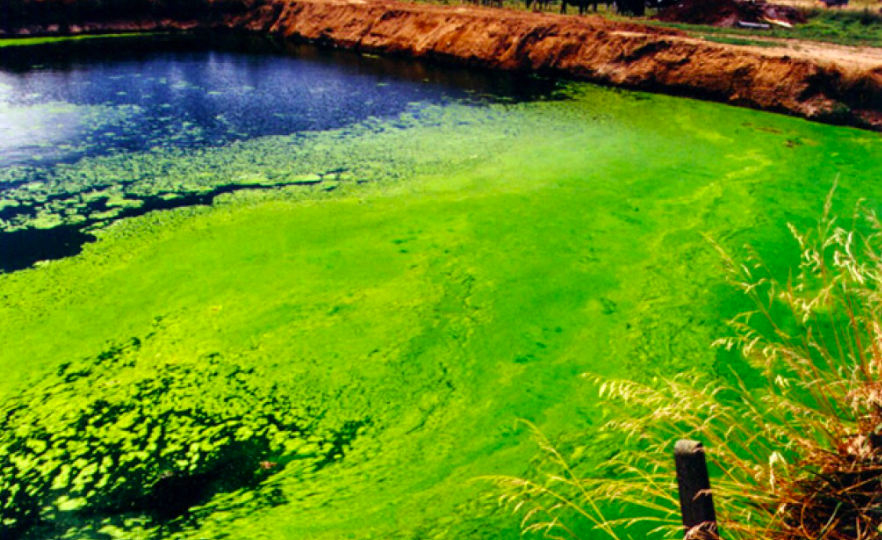
Algae Grown on Dairy Effluent Cuts Mineral Fertiliser Use by 25%, Scientists Say
In the quest for more sustainable farming, European researchers are turning to an unexpected ally: algae. Grown on wastewater, these tiny organisms are being transformed into bio-based fertilisers that could help farmers reduce their reliance on mineral fertilisers, cut pollution, and make Europe less dependent on costly imports.
Recent trials in western France suggest that when algae-based fertilisers are combined with traditional mineral products, fertiliser use can be reduced by up to 25% without sacrificing crop yields. The findings, while still in the early stages, hint at a circular, eco-friendly future for agriculture—one in which waste is transformed into a valuable resource.
Register for Tekedia Mini-MBA edition 20 (June 8 – Sept 5, 2026).
Register for Tekedia AI in Business Masterclass.
Join Tekedia Capital Syndicate and co-invest in great global startups.
Register for Tekedia AI Lab.
Farming with Algae: How It Works
At the heart of the experiment is a simple but effective process. Researchers cultivated unicellular algae using wastewater from dairy production facilities. The algae thrive on the organic matter present in the effluent, converting it into plant biomass. This biomass is then dehydrated and ground into a powder that can be spread on fields as fertiliser.
“The algae feed on the organic matter in the wastewater, turning it into plant biomass,” explains Orhan Grignon, agriculture and environment advisor at the Chamber of Agriculture in Charente-Maritime. “We then dehydrate that biomass and spread it on fields as a fertiliser, since it’s naturally rich in nitrogen.”

When tested on wheat plots, algae-based fertiliser alone did not deliver the same yields as mineral fertilisers. However, when combined with conventional products, it achieved comparable results while allowing farmers to cut back on chemical fertilisers by about a quarter.
Strengths and Challenges
The promise of algae-based fertilisers lies not only in their ability to reduce chemical use but also in their portability. Unlike sewage sludge—a common organic fertiliser that faces restrictions in certain areas—dehydrated algae powder can be transported over longer distances, making it a more flexible option for farmers across regions.

But the approach also has challenges. Mineral fertilisers release nitrogen instantly and are easy to measure and apply, while algae-based fertilisers work more slowly and require more careful planning.
“Managing it requires anticipation and more expertise from farmers,” says Grignon. Despite the added complexity, the potential benefits are clear, especially in the context of Europe’s push to reduce its dependence on imported fertilisers.
Part of a Bigger Project: WALNUT
The French trials are part of a broader European initiative called WALNUT, which aims to give wastewater a “second life” by recovering valuable nutrients.
“Our main objective is treating different kinds of waste-waters, such as industrial effluents, urban wastewater, or brines,” explains project coordinator Francisco Corona Encinas. “By applying a circular approach, we not only reduce the pollutant load of these processes but also add value to the nutrients contained in them—using these nutrients as bio-fertilisers in agriculture.”
This holistic approach is gaining traction across Europe, where water treatment plants are being reimagined not just as facilities for removing contaminants, but as hubs for recovering and recycling resources.
Wastewater as a Fertiliser Source: The Ourense Example
In Ourense, northern Spain, one of Europe’s most advanced water treatment plants is putting nutrient recovery into practice on a large scale. Covering nearly 30,000 square meters, the facility processes more than 600 litres of urban wastewater every second.
“Here, water from taps, sinks, and toilets goes through advanced purification before returning to the river,” says Alicia González Míguez, project manager at CETAQUA, which manages the plant. “But we don’t just remove harmful compounds—we also recover valuable nutrients like nitrogen and phosphorus.”
Nitrogen, in particular, is crucial for agriculture. Traditionally, nitrogen fertilisers are produced using energy-intensive processes that emit significant greenhouse gases. But at Ourense, nitrogen is captured directly from the residual streams left after sludge treatment.
“This residual stream is very rich in nitrogen, which is an essential nutrient for plants,” explains Cecilia Lores Fernández, a researcher at CETAQUA. “We recover this nitrogen using a bed of zeolites, and then extract it with sodium hydroxide to create a basic stream, which we finally transform into ammonium sulphate for application in agricultural fields.”
By turning waste into fertiliser, the facility not only reduces environmental impacts but also offers a sustainable alternative to conventional nitrogen production.
Building Resilience in Food Systems
The stakes for such innovations are high. Europe imports large quantities of fertilisers, including nitrogen products, much of which has traditionally come from Russia. The war in Ukraine and subsequent sanctions have highlighted the vulnerability of this reliance.
By developing bio-based fertilisers from domestic resources like wastewater, Europe can reduce its dependence on external suppliers, strengthen food security, and lower the environmental footprint of agriculture.
“These technologies show how we can close the loop between waste and food production,” says Lores Fernández. “Instead of discarding nutrients, we recover and reuse them, reducing both pollution and energy use.”
A Sustainable Future for Fertilisation
The early results from projects like those in France and Spain are promising, but researchers caution that more work is needed. Scaling up algae cultivation, standardising nutrient recovery processes, and ensuring farmers have the training and infrastructure to adopt these solutions are all challenges that must be addressed.
Still, the trajectory is clear: agriculture is moving toward a more circular model, where waste streams are no longer seen as liabilities but as valuable resources. From algae grown on dairy effluents to ammonium sulphate extracted from municipal wastewater, these innovations could reshape how Europe fertilises its fields.
Looking Forward
The journey from wastewater too farmland is still in its early days, but the promise is undeniable. Algae-based fertilisers and nutrient recovery technologies could dramatically reduce Europe’s dependence on energy-intensive, imported mineral fertilisers while cutting greenhouse gas emissions and protecting waterways from pollution.
As projects like WALNUT expand and more treatment plants embrace circular approaches, the hope is that these bio-based fertilisers will become mainstream tools for farmers. Looking ahead, the challenge lies in scaling production, refining application methods, and building farmer confidence. If successful, the humble algae and the nutrients hidden in our wastewater could become central players in shaping a cleaner, greener, and more resilient food system for Europe and beyond.
Final Thoughts
The development of algae-based fertilisers marks an exciting step toward a more sustainable agricultural future. By transforming waste streams into valuable resources, scientists and farmers are proving that innovation and circular thinking can address some of the toughest challenges in food production. While hurdles remain—such as optimising performance, scaling distribution, and ensuring farmer adoption—the potential benefits are enormous. Reduced reliance on imported fertilisers, lower emissions, and healthier ecosystems could all flow from these bio-based solutions.
In the end, the story of algae fertilisers is not just about cutting costs or improving yields—it’s about reimagining agriculture in harmony with nature, where waste becomes a resource and sustainability becomes the norm.
Conclusion
Algae-based fertilisers may not yet replace mineral fertilisers outright, but they point to a powerful way of reducing reliance on conventional, polluting methods. By cutting mineral fertiliser use by up to 25% while maintaining yields, they demonstrate the potential of circular, bio-based solutions to transform farming.
In a world facing climate change, resource scarcity, and geopolitical uncertainty, turning wastewater into fertiliser is more than a clever innovation—it’s a step toward resilience. With continued research and investment, Europe could lead the way in closing the loop between waste and food, proving that sustainability and productivity can go hand in hand.
Meta Description:
Scientists in Europe are testing algae-based fertilisers grown on dairy wastewater that cut mineral fertiliser use by 25%, offering a greener, energy-saving alternative to imports and boosting sustainable farming.
Uploaded files:Share this:
- Click to share on Facebook (Opens in new window) Facebook
- Click to share on X (Opens in new window) X
- Click to share on WhatsApp (Opens in new window) WhatsApp
- Click to share on LinkedIn (Opens in new window) LinkedIn
- Click to email a link to a friend (Opens in new window) Email
- Click to print (Opens in new window) Print