

Amazon Unveils Ocelot Quantum Chip: A Breakthrough in Error-Free Computing

Quote from Alex Bobby on February 28, 2025, 8:10 AM
Amazon's Ocelot Quantum Chip: A Step Closer to Practical Quantum Computing
Amazon has joined the race to develop practical quantum computing, unveiling a new prototype chip called Ocelot, built on "cat qubit" technology. This marks the third major breakthrough in quantum computing announced in recent months, following similar strides by Microsoft and Google. Quantum computing holds the promise of vast processing power but has long been plagued by error correction challenges.
With the development of Ocelot, Amazon claims to have made significant progress in addressing this issue. The company believes that, alongside other recent advances in the field, functional quantum computers may be closer to reality than previously thought. However, the timeline for large-scale commercial applications remains a topic of debate among experts.
A Decade Away? Amazon’s Optimistic Timeline
Oskar Painter, a lead researcher at Amazon Web Services (AWS) Center for Quantum Computing at the California Institute of Technology, suggests that practical quantum computing could arrive within a decade.
"Five years ago, I would have said maybe 20 or 30 years," Painter told the BBC. "But this timeline's come in quite a bit."
AWS, which dominates the cloud computing industry, sees quantum computing as a potential game-changer. While the ultimate goal is to offer quantum computing services to AWS customers, Painter also envisions quantum technology optimizing Amazon’s vast logistics network.
"You make a one percent improvement in logistics, and you're talking large dollars," he explained. "Quantum computers could enable you to do that more effectively, more real-time."
What Is a Cat Qubit?
Quantum computers operate by harnessing the principles of quantum mechanics to process information in ways that classical computers cannot. Instead of traditional bits, which can be either 0 or 1, quantum computers use qubits, which can exist in multiple states simultaneously.
However, quantum computers are notoriously error-prone. They are sensitive to environmental "noise"—vibrations, heat, electromagnetic interference, and even cosmic radiation—all of which can cause computation errors.
Cat qubits, named after Schrödinger’s famous thought experiment involving a cat that is both alive and dead, aim to solve this problem by making quantum systems inherently more resistant to errors.
Amazon claims that Ocelot, which contains five cat qubits out of 14 key components, could reduce quantum error correction costs by up to 90% compared to current methods.
A Breakthrough or Just Another Step?
Amazon is not the only company exploring cat qubit technology. French firm Alice & Bob pioneered early research into the concept and continues to refine it. Mazyar Mirrahimi, research director at the French National Institute for Research in Digital Science and Technology (Inria), called Amazon’s Ocelot chip "an important step forward towards hardware-efficient fault-tolerant quantum computation."
Meanwhile, Michael Cuthbert, director of the UK's National Quantum Computing Centre, welcomed Amazon's announcement but cautioned that real-world applications are still a long way off.
"Error correction is a vital step necessary in the long-term development of quantum computing," he said. "The challenge is how to scale the technology efficiently—without massive increases in chip size, energy consumption, and complexity."
The Quantum Race: Amazon vs. Microsoft and Google
Amazon’s announcement follows recent breakthroughs from Microsoft and Google, raising questions about whether this wave of quantum news is driven by genuine research progress or strategic PR.
Heather West, a research manager at the International Data Corporation, suggests that the industry is undergoing a pivotal shift. Instead of focusing solely on increasing the number of qubits, tech firms are now prioritizing error correction and making quantum computing viable at scale.
"The industry is pivoting from qubit count to solving real-world problems. And to do so, we need to solve error correction within these systems," West explained.
While Amazon's Ocelot chip represents progress, West describes it as an "advancement" rather than a game-changing breakthrough. Even Amazon’s own researchers acknowledge that scaling up experimental systems to practical levels will be an enormous challenge.
What’s Next for Quantum Computing?
Quantum computing has long been viewed as a technology of the distant future, but recent developments suggest that real-world applications could be closer than expected. If Amazon’s timeline holds, we could see functional quantum computers within a decade.
The implications of this technology are vast. From revolutionizing logistics and materials science to developing new medicines and improving cybersecurity, quantum computing has the potential to reshape entire industries. However, significant hurdles remain, particularly in scaling quantum machines while keeping error rates manageable.
As Amazon, Google, Microsoft, and others continue to refine their quantum strategies, one thing is clear: the race to build the first truly practical quantum computer is heating up. Whether Ocelot will be the chip that brings us closer to that reality remains to be seen.
Conclusion: A Step Forward, but Challenges Remain
Amazon’s unveiling of the Ocelot chip marks a significant advancement in the race toward practical quantum computing. By leveraging cat qubit technology, the company aims to tackle one of the biggest barriers—error correction—potentially reducing costs and making quantum systems more stable.
However, while Amazon suggests that functional quantum computers could arrive within a decade, experts remain cautious. Scaling up quantum systems while maintaining efficiency and reliability is a complex challenge that will require years of further innovation.
Despite these hurdles, the recent wave of breakthroughs from Amazon, Google, and Microsoft signals a pivotal shift in the industry. The focus is now shifting from increasing qubit counts to improving error correction and real-world usability. If these advancements continue, quantum computing could soon move from theoretical promise to practical reality—transforming industries ranging from logistics and cybersecurity to medicine and materials science.
For now, Ocelot is a promising step forward, but the quantum race is far from over. The coming years will determine whether these new technologies can truly deliver on their immense potential.
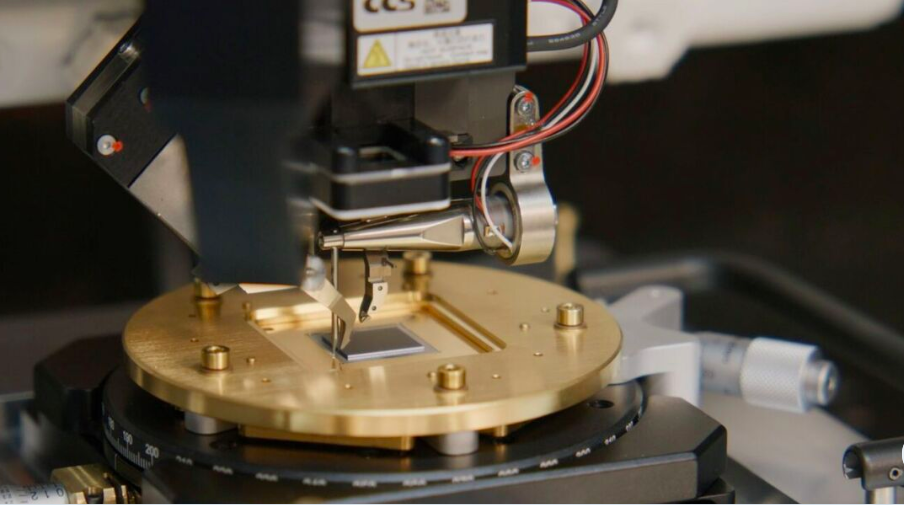
Amazon's Ocelot Quantum Chip: A Step Closer to Practical Quantum Computing
Amazon has joined the race to develop practical quantum computing, unveiling a new prototype chip called Ocelot, built on "cat qubit" technology. This marks the third major breakthrough in quantum computing announced in recent months, following similar strides by Microsoft and Google. Quantum computing holds the promise of vast processing power but has long been plagued by error correction challenges.
With the development of Ocelot, Amazon claims to have made significant progress in addressing this issue. The company believes that, alongside other recent advances in the field, functional quantum computers may be closer to reality than previously thought. However, the timeline for large-scale commercial applications remains a topic of debate among experts.
Register for Tekedia Mini-MBA edition 20 (June 8 – Sept 5, 2026).
Register for Tekedia AI in Business Masterclass.
Join Tekedia Capital Syndicate and co-invest in great global startups.
Register for Tekedia AI Lab.
A Decade Away? Amazon’s Optimistic Timeline
Oskar Painter, a lead researcher at Amazon Web Services (AWS) Center for Quantum Computing at the California Institute of Technology, suggests that practical quantum computing could arrive within a decade.
"Five years ago, I would have said maybe 20 or 30 years," Painter told the BBC. "But this timeline's come in quite a bit."
AWS, which dominates the cloud computing industry, sees quantum computing as a potential game-changer. While the ultimate goal is to offer quantum computing services to AWS customers, Painter also envisions quantum technology optimizing Amazon’s vast logistics network.

"You make a one percent improvement in logistics, and you're talking large dollars," he explained. "Quantum computers could enable you to do that more effectively, more real-time."
What Is a Cat Qubit?
Quantum computers operate by harnessing the principles of quantum mechanics to process information in ways that classical computers cannot. Instead of traditional bits, which can be either 0 or 1, quantum computers use qubits, which can exist in multiple states simultaneously.
However, quantum computers are notoriously error-prone. They are sensitive to environmental "noise"—vibrations, heat, electromagnetic interference, and even cosmic radiation—all of which can cause computation errors.

Cat qubits, named after Schrödinger’s famous thought experiment involving a cat that is both alive and dead, aim to solve this problem by making quantum systems inherently more resistant to errors.
Amazon claims that Ocelot, which contains five cat qubits out of 14 key components, could reduce quantum error correction costs by up to 90% compared to current methods.
A Breakthrough or Just Another Step?
Amazon is not the only company exploring cat qubit technology. French firm Alice & Bob pioneered early research into the concept and continues to refine it. Mazyar Mirrahimi, research director at the French National Institute for Research in Digital Science and Technology (Inria), called Amazon’s Ocelot chip "an important step forward towards hardware-efficient fault-tolerant quantum computation."
Meanwhile, Michael Cuthbert, director of the UK's National Quantum Computing Centre, welcomed Amazon's announcement but cautioned that real-world applications are still a long way off.
"Error correction is a vital step necessary in the long-term development of quantum computing," he said. "The challenge is how to scale the technology efficiently—without massive increases in chip size, energy consumption, and complexity."
The Quantum Race: Amazon vs. Microsoft and Google
Amazon’s announcement follows recent breakthroughs from Microsoft and Google, raising questions about whether this wave of quantum news is driven by genuine research progress or strategic PR.
Heather West, a research manager at the International Data Corporation, suggests that the industry is undergoing a pivotal shift. Instead of focusing solely on increasing the number of qubits, tech firms are now prioritizing error correction and making quantum computing viable at scale.
"The industry is pivoting from qubit count to solving real-world problems. And to do so, we need to solve error correction within these systems," West explained.
While Amazon's Ocelot chip represents progress, West describes it as an "advancement" rather than a game-changing breakthrough. Even Amazon’s own researchers acknowledge that scaling up experimental systems to practical levels will be an enormous challenge.
What’s Next for Quantum Computing?
Quantum computing has long been viewed as a technology of the distant future, but recent developments suggest that real-world applications could be closer than expected. If Amazon’s timeline holds, we could see functional quantum computers within a decade.
The implications of this technology are vast. From revolutionizing logistics and materials science to developing new medicines and improving cybersecurity, quantum computing has the potential to reshape entire industries. However, significant hurdles remain, particularly in scaling quantum machines while keeping error rates manageable.
As Amazon, Google, Microsoft, and others continue to refine their quantum strategies, one thing is clear: the race to build the first truly practical quantum computer is heating up. Whether Ocelot will be the chip that brings us closer to that reality remains to be seen.
Conclusion: A Step Forward, but Challenges Remain
Amazon’s unveiling of the Ocelot chip marks a significant advancement in the race toward practical quantum computing. By leveraging cat qubit technology, the company aims to tackle one of the biggest barriers—error correction—potentially reducing costs and making quantum systems more stable.
However, while Amazon suggests that functional quantum computers could arrive within a decade, experts remain cautious. Scaling up quantum systems while maintaining efficiency and reliability is a complex challenge that will require years of further innovation.
Despite these hurdles, the recent wave of breakthroughs from Amazon, Google, and Microsoft signals a pivotal shift in the industry. The focus is now shifting from increasing qubit counts to improving error correction and real-world usability. If these advancements continue, quantum computing could soon move from theoretical promise to practical reality—transforming industries ranging from logistics and cybersecurity to medicine and materials science.
For now, Ocelot is a promising step forward, but the quantum race is far from over. The coming years will determine whether these new technologies can truly deliver on their immense potential.
Uploaded files:Share this:
- Click to share on Facebook (Opens in new window) Facebook
- Click to share on X (Opens in new window) X
- Click to share on WhatsApp (Opens in new window) WhatsApp
- Click to share on LinkedIn (Opens in new window) LinkedIn
- Click to email a link to a friend (Opens in new window) Email
- Click to print (Opens in new window) Print