

Attenborough’s Parenthood Captures the Beauty—and Brutality—of Animal Devotion

Quote from Alex Bobby on August 4, 2025, 6:52 AM
Sir David Attenborough returns to our screens with Parenthood, a breathtaking new BBC One documentary series that reveals the extremes to which animals will go to ensure the survival of their offspring. From jaw-dropping self-sacrifice to tender displays of care, Parenthood captures what it means to raise the next generation in the wild—no matter the cost.
While Attenborough is no stranger to showcasing the raw and often harsh realities of the natural world, Parenthood leans in emotionally, shining a light not just on survival, but on connection, devotion, and the awe-inspiring lengths to which parents will go for their young. The result is a powerful, moving, and at times unsettling exploration of the universality off parenthood across species.
The Ultimate Sacrifice: Matriphagy in Namibia
Among the series’ most haunting and unforgettable sequences is the story of the African social spider, filmed in the deserts of Namibia. In an astonishing act of parental devotion, the mother spider not only nurtures her young but ultimately offers herself up as their first meal.
This chilling phenomenon, known as matriphagy, is as fascinating as it is grisly. When the time is right, hundreds of spiderlings—no bigger than grains of sugar—emerge and begin to devour their mother and other elderly spiders in the colony. It’s an act of both survival and succession: a grim, natural passing of the torch to the next generation.
For series director Jeff Wilson, this moment represented “the perfect natural history sequence,” both in its biological intensity and the emotional weight it carries. But what made it truly shine, he says, was Sir David Attenborough’s narration.
“It’s the best narration I’ve ever heard him do,” Wilson says. “David knows exactly what is needed to tell the story—not just what’s happening, but why it matters. It’s not just science, it’s storytelling with heart.”
Emotion Beneath the Wild
Parenthood is full of such stories—startling in their details, but deeply relatable in their themes. Whether it's elephant mothers traveling hundreds of miles with their calves to find water, or male frogs in the Amazon protecting their tadpoles from predators, the message is clear: parenting is hardwired into nature, and it comes with both sacrifice and reward.
The show’s strength lies in how it balances the emotional with the educational. Attenborough, as always, brings an unmatched blend of wonder, wit, and wisdom to each scene. His voice doesn’t just narrate what we see—it anchors it with empathy and insight. Even when describing spiderlings devouring their mother, he finds the tone that draws you in, rather than pushing you away.
Wilson jokes about the relatability of such a scene: “I'm not asking any human parents to go that far,” he laughs, “but we all know that if you turn up at the school gates without a snack, you're verging on being eaten by your child anyway! So there's a damn good lesson in that.”
A Technical Triumph
Bringing such intimate and small-scale animal behaviour to life on screen is no small feat. The crew worked alongside scientists and behaviourist’s, using advanced macro cinematography to capture the spiders and their surroundings without intruding. “You’re working in a world where the adult is the size of your thumbnail,” Wilson explains, “and the babies are almost microscopic. Every shot had to be meticulously planned.”
The end result, though, is nothing short of mesmerising. Viewers are transported into a miniature world teeming with life, danger, and drama. One moment you’re marvelling at the fragility of the newborns, the next you’re witnessing an ancient biological ritual play out in agonising detail.
Wilson promises audiences will be “shivering with disgust” while also “amazed with the wonder of it all.” And that seems to be Parenthood’s signature tone: raw and real, but never without reverence.
A Universal Story
What makes Parenthood stand out among Attenborough’s already stellar portfolio is its deeply human core. The show never draws cheap comparisons, but it subtly reflects the emotional realities of parenting in all its forms—exhaustion, sacrifice, joy, and the primal urge to protect.
Whether you're watching a spider give up her body for her young, a penguin shielding its chick from the freezing wind, or a monkey teaching its baby to forage, Parenthood invites us to find the familiar in the foreign.
It’s a series about biology, yes—but it’s also about legacy, connection, and the invisible thread that links every living creature who has ever raised a child.
Looking Forward
As Parenthood continues to unfold across our screens, viewers can expect even more breathtaking moments that blend scientific marvel with emotional depth. Future episodes will delve into the diverse ways species across the globe care for their young—from the icy landscapes where polar bears shield their cubs from the elements, to the sweltering jungles where orangutans teach survival skills over years of patient mentorship.
The series promises to expand our understanding not just of animal behaviour, but of the shared instinct that connects all living creatures: the drive to protect, nurture, and prepare the next generation. With Sir David Attenborough guiding the journey, each new instalment is bound to offer fresh insights, unexpected tenderness, and unforgettable storytelling.
In a world increasingly distanced from nature, Parenthood serves as a poignant reminder of what unites us all. As audiences tune in week after week, they’re not just witnessing animal life—they’re reconnecting with the very essence of what it means to care, to sacrifice, and to love.
Final Thought
Parenthood is more than just another nature documentary — it’s a stirring meditation on the universal bonds between parent and child, captured with Attenborough’s signature warmth and wisdom. Through moments of quiet tenderness and raw survival, the series reminds us that love, sacrifice, and devotion transcend species. Whether it’s a spider giving her life for her offspring or a father penguin enduring brutal winds to protect his chick, Parenthood reveals that in every corner of the animal kingdom, the instinct to nurture is one of nature’s most powerful forces. It's a show that doesn’t just inform — it moves, inspires, and stays with you long after the credits roll.
Conclusion
With Parenthood, Sir David Attenborough once again proves that nature documentaries can be both profoundly educational and deeply emotional. The series captures the immense beauty—and brutal truth—of what it means to be a parent in the animal kingdom. From awe to heartbreak, wonder to horror, each episode reminds us that love and sacrifice are not uniquely human traits. They're universal. And through Attenborough’s masterful storytelling, they are more powerful—and more poignant—than ever.
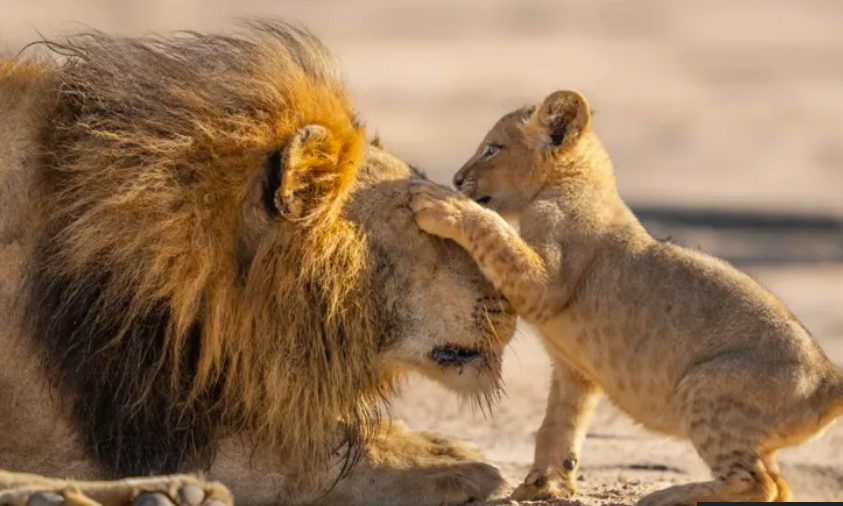
Sir David Attenborough returns to our screens with Parenthood, a breathtaking new BBC One documentary series that reveals the extremes to which animals will go to ensure the survival of their offspring. From jaw-dropping self-sacrifice to tender displays of care, Parenthood captures what it means to raise the next generation in the wild—no matter the cost.
While Attenborough is no stranger to showcasing the raw and often harsh realities of the natural world, Parenthood leans in emotionally, shining a light not just on survival, but on connection, devotion, and the awe-inspiring lengths to which parents will go for their young. The result is a powerful, moving, and at times unsettling exploration of the universality off parenthood across species.
The Ultimate Sacrifice: Matriphagy in Namibia
Register for Tekedia Mini-MBA edition 20 (June 8 – Sept 5, 2026).
Register for Tekedia AI in Business Masterclass.
Join Tekedia Capital Syndicate and co-invest in great global startups.
Register for Tekedia AI Lab.
Among the series’ most haunting and unforgettable sequences is the story of the African social spider, filmed in the deserts of Namibia. In an astonishing act of parental devotion, the mother spider not only nurtures her young but ultimately offers herself up as their first meal.
This chilling phenomenon, known as matriphagy, is as fascinating as it is grisly. When the time is right, hundreds of spiderlings—no bigger than grains of sugar—emerge and begin to devour their mother and other elderly spiders in the colony. It’s an act of both survival and succession: a grim, natural passing of the torch to the next generation.
For series director Jeff Wilson, this moment represented “the perfect natural history sequence,” both in its biological intensity and the emotional weight it carries. But what made it truly shine, he says, was Sir David Attenborough’s narration.

“It’s the best narration I’ve ever heard him do,” Wilson says. “David knows exactly what is needed to tell the story—not just what’s happening, but why it matters. It’s not just science, it’s storytelling with heart.”
Emotion Beneath the Wild
Parenthood is full of such stories—startling in their details, but deeply relatable in their themes. Whether it's elephant mothers traveling hundreds of miles with their calves to find water, or male frogs in the Amazon protecting their tadpoles from predators, the message is clear: parenting is hardwired into nature, and it comes with both sacrifice and reward.

The show’s strength lies in how it balances the emotional with the educational. Attenborough, as always, brings an unmatched blend of wonder, wit, and wisdom to each scene. His voice doesn’t just narrate what we see—it anchors it with empathy and insight. Even when describing spiderlings devouring their mother, he finds the tone that draws you in, rather than pushing you away.
Wilson jokes about the relatability of such a scene: “I'm not asking any human parents to go that far,” he laughs, “but we all know that if you turn up at the school gates without a snack, you're verging on being eaten by your child anyway! So there's a damn good lesson in that.”
A Technical Triumph
Bringing such intimate and small-scale animal behaviour to life on screen is no small feat. The crew worked alongside scientists and behaviourist’s, using advanced macro cinematography to capture the spiders and their surroundings without intruding. “You’re working in a world where the adult is the size of your thumbnail,” Wilson explains, “and the babies are almost microscopic. Every shot had to be meticulously planned.”
The end result, though, is nothing short of mesmerising. Viewers are transported into a miniature world teeming with life, danger, and drama. One moment you’re marvelling at the fragility of the newborns, the next you’re witnessing an ancient biological ritual play out in agonising detail.
Wilson promises audiences will be “shivering with disgust” while also “amazed with the wonder of it all.” And that seems to be Parenthood’s signature tone: raw and real, but never without reverence.
A Universal Story
What makes Parenthood stand out among Attenborough’s already stellar portfolio is its deeply human core. The show never draws cheap comparisons, but it subtly reflects the emotional realities of parenting in all its forms—exhaustion, sacrifice, joy, and the primal urge to protect.
Whether you're watching a spider give up her body for her young, a penguin shielding its chick from the freezing wind, or a monkey teaching its baby to forage, Parenthood invites us to find the familiar in the foreign.
It’s a series about biology, yes—but it’s also about legacy, connection, and the invisible thread that links every living creature who has ever raised a child.
Looking Forward
As Parenthood continues to unfold across our screens, viewers can expect even more breathtaking moments that blend scientific marvel with emotional depth. Future episodes will delve into the diverse ways species across the globe care for their young—from the icy landscapes where polar bears shield their cubs from the elements, to the sweltering jungles where orangutans teach survival skills over years of patient mentorship.
The series promises to expand our understanding not just of animal behaviour, but of the shared instinct that connects all living creatures: the drive to protect, nurture, and prepare the next generation. With Sir David Attenborough guiding the journey, each new instalment is bound to offer fresh insights, unexpected tenderness, and unforgettable storytelling.
In a world increasingly distanced from nature, Parenthood serves as a poignant reminder of what unites us all. As audiences tune in week after week, they’re not just witnessing animal life—they’re reconnecting with the very essence of what it means to care, to sacrifice, and to love.
Final Thought
Parenthood is more than just another nature documentary — it’s a stirring meditation on the universal bonds between parent and child, captured with Attenborough’s signature warmth and wisdom. Through moments of quiet tenderness and raw survival, the series reminds us that love, sacrifice, and devotion transcend species. Whether it’s a spider giving her life for her offspring or a father penguin enduring brutal winds to protect his chick, Parenthood reveals that in every corner of the animal kingdom, the instinct to nurture is one of nature’s most powerful forces. It's a show that doesn’t just inform — it moves, inspires, and stays with you long after the credits roll.
Conclusion
With Parenthood, Sir David Attenborough once again proves that nature documentaries can be both profoundly educational and deeply emotional. The series captures the immense beauty—and brutal truth—of what it means to be a parent in the animal kingdom. From awe to heartbreak, wonder to horror, each episode reminds us that love and sacrifice are not uniquely human traits. They're universal. And through Attenborough’s masterful storytelling, they are more powerful—and more poignant—than ever.
Uploaded files:Share this:
- Click to share on Facebook (Opens in new window) Facebook
- Click to share on X (Opens in new window) X
- Click to share on WhatsApp (Opens in new window) WhatsApp
- Click to share on LinkedIn (Opens in new window) LinkedIn
- Click to email a link to a friend (Opens in new window) Email
- Click to print (Opens in new window) Print