

“Australia’s $1 Billion Rare Earth Gamble to Challenge China’s Global Dominance”

Quote from Alex Bobby on August 14, 2025, 3:03 AM
Inside Australia’s Billion-Dollar Bid to Take on China’s Rare Earth Dominance
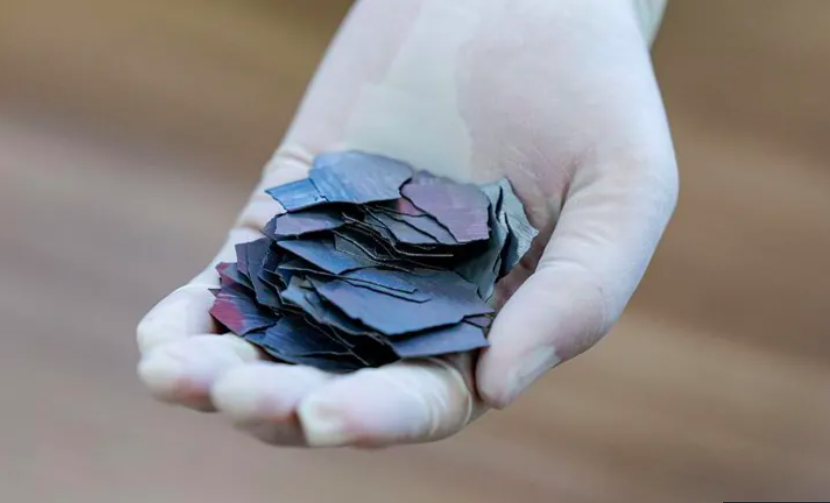
Three hours north of Perth lies Eneabba, a sparse expanse of Western Australia marked by low hills and wide-open skies. It may look like a barren stretch of land, but beneath the dusty surface is a treasure trove—one million tonnes of rare earth minerals, critical to the technologies powering the 21st century.
These minerals are the foundation of products ranging from electric vehicles and wind turbines to advanced defence equipment. And Australia is betting big on them. The government has committed a A$1.65 billion (US$1 billion) loan to Iluka Resources to build a refinery in Eneabba, aiming to disrupt a supply chain that China has dominated for decades.
The question is: can this bold investment loosen Beijing’s grip?
China’s Rare Earth Chokehold
China’s near-monopoly over rare earths has been a source of global anxiety for years. When former US President Donald Trump’s trade war escalated in 2019, Beijing flexed its muscles, restricting exports and sending manufacturers scrambling for alternatives.
The fallout was immediate. Ford halted production of its Explorer SUV at a Chicago plant due to shortages. CEO Jim Farley admitted the company was “still struggling to secure reliable supply” of rare earths, warning that the industry was operating “day to day.”
Though China later resumed exports to the US, the episode underscored the fragility of global supply chains. Without diversified sources, a single political decision in Beijing could halt production lines from Detroit to Düsseldorf.
“The West dropped the ball – that’s the reality,” says Professor Jacques Eksteen of Curtin University. “China saw the benefit early, was willing to invest, and stuck with it for the long run.”
What Makes Rare Earths So Critical
Despite their name, rare earth elements are not especially scarce. They include 17 lightweight, heat-resistant metals ideal for small electric motors. In an average electric vehicle, they can be found in dozens of components—side mirrors, speakers, windscreen wipers, braking sensors, and more.
The challenge is not availability, but processing. These elements are chemically similar, making separation complex and costly. Even more problematic is the waste: refining often produces radioactive residues that require careful handling.
China’s dominance lies not just in mining—where it accounts for more than half of global output—but in processing, where it controls nearly 90% of the world’s capacity. The US sources 80% of its rare earth imports from China; the European Union relies on China for about 98%.
“The open international market in critical minerals is a mirage,” says Australia’s Resources Minister Madeleine King. “There is one supplier, and they can change the market at will—whether that be in pricing or supply.”
Australia’s Strategic Gamble
Australia sees rare earth independence as both an economic opportunity and a national security imperative. Iluka’s refinery is central to that vision.
Iluka has spent decades mining zircon, a mineral used in ceramics and titanium dioxide production. As a byproduct, it has accumulated significant amounts of dysprosium and terbium—two of the most sought-after rare earth elements for high-performance magnets. Over time, this stockpile has grown to be worth more than $650 million.
But stockpiling is the easy part. Processing requires vast investment, technical expertise, and the willingness to manage hazardous waste. Without government backing, Iluka says the refinery would not be commercially viable.
“Our customers know an independent, secure, and sustainable supply chain outside of China is fundamental for their business continuity,” says Iluka’s head of rare earths, Dan McGrath. “This refinery is an alternative to China.”
A Global Shift in Supply Chains
China’s readiness to adjust rare earth exports for strategic leverage has pushed other nations to act. The US, EU, Japan, and South Korea are all investing in alternative sources and processing capacity. Australia’s Eneabba project is part of this broader realignment.
Automakers, in particular, are taking note. Production planning for vehicles often stretches years ahead, and companies are already inquiring about supply once Iluka’s refinery becomes operational—expected within two years.
Demand for rare earths is projected to surge between 50% and 170% by 2030, driven largely by the green energy transition and the electrification of transport. Without new supply sources, the world risks deeper dependency on China just as competition for these materials intensifies.
The Environmental Challenge
While the economic and strategic case for rare earth production is clear, the environmental costs are significant. Refining produces large volumes of chemical waste and, in many cases, low-level radioactive byproducts. Managing these responsibly will be key to Australia’s credibility as a sustainable supplier.
Professor Eksteen notes, “These residues are problematic. They often produce radioactive materials. It comes at a cost—financially and environmentally.”
Australia will need to prove it can meet the rising demand for rare earths without compromising its environmental standards. If successful, it could set a global benchmark for cleaner, safer rare earth production.
Can Australia Compete with China?
China’s rare earth dominance is the result of decades of investment, infrastructure, and vertical integration from mine to magnet. Replicating that scale will take time, even with government support.
Yet Canberra’s move signals that it is serious about playing a role in this critical sector. By 2030, Iluka expects to supply a significant portion of Western demand, giving manufacturers a long-awaited alternative.
If Australia can deliver, Eneabba may become not just a mining site in the outback, but a cornerstone of a more secure, diversified global rare earth supply chain.
As Minister King puts it: “We can either sit back and do nothing, or we can step up to take on the responsibility to develop a rare earths industry here that competes with that market.”
Australia has chosen to step up. The world will be watching to see if the gamble pays off.
final thoughts
Ultimately, Australia’s push into rare earths is a bold mix of ambition, necessity, and strategy. It’s a recognition that in a world increasingly powered by clean energy and advanced tech, control over critical minerals is as important as oil once was. While challenges—from processing complexity to environmental stewardship—loom large, the rewards could be transformative. Eneabba may seem like a quiet, remote patch of Western Australia today, but in the coming years, it could become a linchpin in the West’s bid for resource security and a symbol of how nations can rewrite the rules of global supply chains.
conclusion
In conclusion, Australia’s billion-dollar investment in rare earth refining is more than just a mining project—it’s a strategic bid to challenge China’s decades-long dominance in a sector vital to modern technology, renewable energy, and defence. The Eneabba refinery could offer global manufacturers a stable, independent supply chain, reducing the risks of geopolitical disruptions. However, success will depend on Australia’s ability to scale production, manage environmental challenges, and compete with China’s established infrastructure. If it succeeds, this venture won’t just reshape Australia’s mining industry—it could redefine the global rare earth market for decades to come.
Inside Australia’s Billion-Dollar Bid to Take on China’s Rare Earth Dominance
Three hours north of Perth lies Eneabba, a sparse expanse of Western Australia marked by low hills and wide-open skies. It may look like a barren stretch of land, but beneath the dusty surface is a treasure trove—one million tonnes of rare earth minerals, critical to the technologies powering the 21st century.
These minerals are the foundation of products ranging from electric vehicles and wind turbines to advanced defence equipment. And Australia is betting big on them. The government has committed a A$1.65 billion (US$1 billion) loan to Iluka Resources to build a refinery in Eneabba, aiming to disrupt a supply chain that China has dominated for decades.
Register for Tekedia Mini-MBA edition 20 (June 8 – Sept 5, 2026).
Register for Tekedia AI in Business Masterclass.
Join Tekedia Capital Syndicate and co-invest in great global startups.
Register for Tekedia AI Lab.
The question is: can this bold investment loosen Beijing’s grip?
China’s Rare Earth Chokehold
China’s near-monopoly over rare earths has been a source of global anxiety for years. When former US President Donald Trump’s trade war escalated in 2019, Beijing flexed its muscles, restricting exports and sending manufacturers scrambling for alternatives.

The fallout was immediate. Ford halted production of its Explorer SUV at a Chicago plant due to shortages. CEO Jim Farley admitted the company was “still struggling to secure reliable supply” of rare earths, warning that the industry was operating “day to day.”
Though China later resumed exports to the US, the episode underscored the fragility of global supply chains. Without diversified sources, a single political decision in Beijing could halt production lines from Detroit to Düsseldorf.
“The West dropped the ball – that’s the reality,” says Professor Jacques Eksteen of Curtin University. “China saw the benefit early, was willing to invest, and stuck with it for the long run.”

What Makes Rare Earths So Critical
Despite their name, rare earth elements are not especially scarce. They include 17 lightweight, heat-resistant metals ideal for small electric motors. In an average electric vehicle, they can be found in dozens of components—side mirrors, speakers, windscreen wipers, braking sensors, and more.
The challenge is not availability, but processing. These elements are chemically similar, making separation complex and costly. Even more problematic is the waste: refining often produces radioactive residues that require careful handling.
China’s dominance lies not just in mining—where it accounts for more than half of global output—but in processing, where it controls nearly 90% of the world’s capacity. The US sources 80% of its rare earth imports from China; the European Union relies on China for about 98%.
“The open international market in critical minerals is a mirage,” says Australia’s Resources Minister Madeleine King. “There is one supplier, and they can change the market at will—whether that be in pricing or supply.”
Australia’s Strategic Gamble
Australia sees rare earth independence as both an economic opportunity and a national security imperative. Iluka’s refinery is central to that vision.
Iluka has spent decades mining zircon, a mineral used in ceramics and titanium dioxide production. As a byproduct, it has accumulated significant amounts of dysprosium and terbium—two of the most sought-after rare earth elements for high-performance magnets. Over time, this stockpile has grown to be worth more than $650 million.
But stockpiling is the easy part. Processing requires vast investment, technical expertise, and the willingness to manage hazardous waste. Without government backing, Iluka says the refinery would not be commercially viable.
“Our customers know an independent, secure, and sustainable supply chain outside of China is fundamental for their business continuity,” says Iluka’s head of rare earths, Dan McGrath. “This refinery is an alternative to China.”
A Global Shift in Supply Chains
China’s readiness to adjust rare earth exports for strategic leverage has pushed other nations to act. The US, EU, Japan, and South Korea are all investing in alternative sources and processing capacity. Australia’s Eneabba project is part of this broader realignment.
Automakers, in particular, are taking note. Production planning for vehicles often stretches years ahead, and companies are already inquiring about supply once Iluka’s refinery becomes operational—expected within two years.
Demand for rare earths is projected to surge between 50% and 170% by 2030, driven largely by the green energy transition and the electrification of transport. Without new supply sources, the world risks deeper dependency on China just as competition for these materials intensifies.
The Environmental Challenge
While the economic and strategic case for rare earth production is clear, the environmental costs are significant. Refining produces large volumes of chemical waste and, in many cases, low-level radioactive byproducts. Managing these responsibly will be key to Australia’s credibility as a sustainable supplier.
Professor Eksteen notes, “These residues are problematic. They often produce radioactive materials. It comes at a cost—financially and environmentally.”
Australia will need to prove it can meet the rising demand for rare earths without compromising its environmental standards. If successful, it could set a global benchmark for cleaner, safer rare earth production.
Can Australia Compete with China?
China’s rare earth dominance is the result of decades of investment, infrastructure, and vertical integration from mine to magnet. Replicating that scale will take time, even with government support.
Yet Canberra’s move signals that it is serious about playing a role in this critical sector. By 2030, Iluka expects to supply a significant portion of Western demand, giving manufacturers a long-awaited alternative.
If Australia can deliver, Eneabba may become not just a mining site in the outback, but a cornerstone of a more secure, diversified global rare earth supply chain.
As Minister King puts it: “We can either sit back and do nothing, or we can step up to take on the responsibility to develop a rare earths industry here that competes with that market.”
Australia has chosen to step up. The world will be watching to see if the gamble pays off.
final thoughts
Ultimately, Australia’s push into rare earths is a bold mix of ambition, necessity, and strategy. It’s a recognition that in a world increasingly powered by clean energy and advanced tech, control over critical minerals is as important as oil once was. While challenges—from processing complexity to environmental stewardship—loom large, the rewards could be transformative. Eneabba may seem like a quiet, remote patch of Western Australia today, but in the coming years, it could become a linchpin in the West’s bid for resource security and a symbol of how nations can rewrite the rules of global supply chains.
conclusion
In conclusion, Australia’s billion-dollar investment in rare earth refining is more than just a mining project—it’s a strategic bid to challenge China’s decades-long dominance in a sector vital to modern technology, renewable energy, and defence. The Eneabba refinery could offer global manufacturers a stable, independent supply chain, reducing the risks of geopolitical disruptions. However, success will depend on Australia’s ability to scale production, manage environmental challenges, and compete with China’s established infrastructure. If it succeeds, this venture won’t just reshape Australia’s mining industry—it could redefine the global rare earth market for decades to come.
Uploaded files:Share this:
- Click to share on Facebook (Opens in new window) Facebook
- Click to share on X (Opens in new window) X
- Click to share on WhatsApp (Opens in new window) WhatsApp
- Click to share on LinkedIn (Opens in new window) LinkedIn
- Click to email a link to a friend (Opens in new window) Email
- Click to print (Opens in new window) Print