

Belgium Arrests Suspect With Molotov Cocktail Outside Israeli Embassy in Brussels

Quote from Alex Bobby on September 7, 2025, 4:03 AM
Belgium Arrests Suspect With Molotov Cocktail Outside Israeli Embassy
Tensions surrounding Israeli diplomatic missions in Europe deepened on Friday night as Belgian authorities reportedly arrested a suspect outside the Israeli embassy in Brussels. According to a statement shared on X (formerly Twitter) by Israel’s Foreign Ministry, the individual was found in possession of a Molotov cocktail. While details remain scarce, the incident adds to a worrying trend of attempted attacks and threats targeting Israeli embassies across the continent.
The Foreign Ministry stressed that all embassy staff were safe and unharmed, though Belgian police have not yet issued an official statement confirming the arrest or providing insight into the suspect’s motives.
A Growing Security Challenge
This latest incident in Brussels follows a series of security scares targeting Israeli diplomatic missions in Europe in recent months.
In July, Danish police investigated a suspicious package discovered at the Israeli Embassy in Copenhagen. Although no attack occurred, the event highlighted the heightened security climate surrounding Israeli institutions abroad.
Earlier in February, police in Berlin arrested a suspect accused of preparing a “politically motivated” attack on the Israeli embassy there. German prosecutors later filed terrorism charges in August, alleging that the suspect intended not only to target the embassy but also to travel to Pakistan to join the Islamic State (IS) group.
While it remains unclear whether the Brussels suspect shares similar intentions or affiliations, the pattern of threats raises concerns about the vulnerability of Israeli missions in Europe and the wider risks posed by extremist networks.
Why Embassies Are Targets
Diplomatic missions have historically been high-profile targets for acts of protest, intimidation, or terrorism. By design, embassies are symbols of a state’s sovereignty and its foreign policy. For Israel, whose government and policies are often at the centre of heated global debates, its embassies are especially vulnerable.
Security experts argue that threats against these institutions are not always about harming individuals inside but about sending political messages, creating fear, or generating publicity for extremist causes. A Molotov cocktail, while crude, is a powerful symbol of hostility—it requires little planning to prepare yet can cause significant damage if deployed.
The Belgian arrest underscores the delicate balance embassies must strike: remaining accessible enough to function diplomatically while also securing staff and property against potential attacks.
Belgium’s Security Context
Belgium is no stranger to security challenges linked to extremism. In recent years, the country has dealt with radical networks that recruited fighters for conflicts in the Middle East, as well as terrorist plots targeting European institutions headquartered in Brussels.
The presence of the European Union and NATO makes Brussels a symbolic and strategic hub, meaning any act of violence their resonates beyond Belgium itself. For Israeli representatives stationed in such a city, the risks are amplified by broader geopolitical tensions, including conflicts in the Middle East and growing incidents of antisemitism across Europe.
Although Belgian authorities have not confirmed whether the suspect had ties to extremist groups or acted alone, the arrest fits into a broader pattern of vigilance required to secure foreign missions in the country.
The Israeli Foreign Ministry’s Response
The Israeli Foreign Ministry was quick to reassure the public and its citizens abroad. By confirming the safety of embassy staff, officials aimed to quell fears while signalling ongoing cooperation with Belgian security forces.
Israel routinely monitors the security of its embassies worldwide, adapting to threats that range from cyberattacks to physical violence. The ministry’s statement, though brief, reflects a policy of transparency designed to keep Israeli citizens informed about threats overseas without compromising ongoing investigations.
Europe’s Diplomatic Security Landscape
The Brussels arrest highlights a wider European challenge: ensuring the safety of foreign embassies amid rising global tensions. From Berlin to Copenhagen, recent incidents have shown that threats to Israeli embassies are not isolated.
European governments typically treat the security of foreign missions as a matter of national responsibility under international law, specifically the Vienna Convention on Diplomatic Relations. Failure to protect embassies can have serious diplomatic consequences, straining bilateral relations and undermining trust.
With conflicts in Ukraine, the Middle East, and elsewhere fuelling polarisation, European security services face increasing pressure to anticipate and neutralise threats before they materialise.
What Comes Next?
As Belgian authorities investigate the arrest, questions remain about the suspect’s identity, motives, and possible connections to extremist networks. Was this an isolated act by a disgruntled individual, or part of a broader ideological or organisational campaign?
Answers will be crucial not only for Belgian security planning but also for the Israeli Foreign Ministry, which must assess risks and adapt its security protocols accordingly.
In the meantime, the arrest serves as a reminder that diplomacy, while conducted in meeting rooms and through official communiqués, is also vulnerable to physical threats on the ground. The safety of embassies is not just a logistical concern—it is essential for maintaining open channels of communication between nations.
Looking Forward
As Belgium investigates the motives behind the arrest, the incident serves as a timely reminder of the challenges ahead for European security services. Protecting embassies will require not only stronger physical safeguards but also deeper intelligence-sharing between nations to identify threats early. For Israel, the Brussels case reinforces the need for constant vigilance across its diplomatic network, while for Belgium, it highlights the importance of balancing open diplomacy with security in a city that is both the heart of Europe and a potential target. Looking ahead, how governments respond to these threats will determine not just the safety of diplomats, but also the resilience of international cooperation in an increasingly volatile world.
Final Thoughts
The arrest outside the Israeli embassy in Brussels is a stark reminder that diplomacy does not exist in isolation from the dangers of the modern world. Embassies are more than buildings—they are lifelines for dialogue, cultural exchange, and national representation. Safeguarding them is crucial not only for the countries they represent but also for the international system itself. While the swift response of Belgian security forces prevented potential harm, the pattern of threats against Israeli missions in Europe highlights a broader challenge. In uncertain times, maintaining the security of diplomats and their work is essential for keeping fragile channels of communication open.
Conclusion
The arrest of a suspect with a Molotov cocktail outside Israel’s embassy in Brussels adds another layer to the mounting security challenges facing Israeli missions in Europe. While all staff members are safe, the incident underscores the vulnerability of diplomatic institutions amid rising geopolitical tensions and extremist threats.
As investigations continue, Belgium and Israel will need to coordinate closely to ensure the security of diplomatic staff and facilities. More broadly, the event highlights the importance of vigilance across Europe, where embassies remain both symbolic and practical targets for those seeking to make violent political statements.
In an age of global uncertainty, the safety of diplomats is not just about protecting individuals—it is about preserving the very infrastructure of international dialogue.
Meta Description:
Belgian security forces arrested a suspect with a Molotov cocktail outside the Israeli embassy in Brussels. While all staff are safe, the incident highlights rising threats to Israeli diplomatic missions across Europe
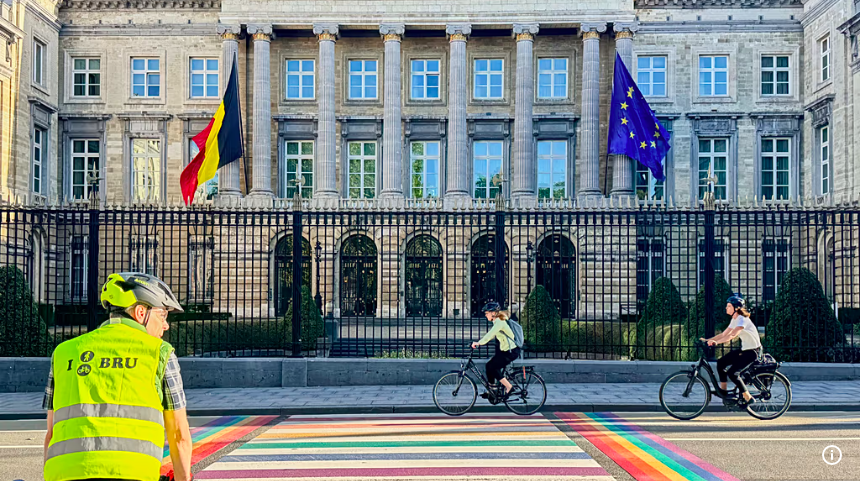
Belgium Arrests Suspect With Molotov Cocktail Outside Israeli Embassy
Tensions surrounding Israeli diplomatic missions in Europe deepened on Friday night as Belgian authorities reportedly arrested a suspect outside the Israeli embassy in Brussels. According to a statement shared on X (formerly Twitter) by Israel’s Foreign Ministry, the individual was found in possession of a Molotov cocktail. While details remain scarce, the incident adds to a worrying trend of attempted attacks and threats targeting Israeli embassies across the continent.
The Foreign Ministry stressed that all embassy staff were safe and unharmed, though Belgian police have not yet issued an official statement confirming the arrest or providing insight into the suspect’s motives.
Register for Tekedia Mini-MBA edition 20 (June 8 – Sept 5, 2026).
Register for Tekedia AI in Business Masterclass.
Join Tekedia Capital Syndicate and co-invest in great global startups.
Register for Tekedia AI Lab.
A Growing Security Challenge
This latest incident in Brussels follows a series of security scares targeting Israeli diplomatic missions in Europe in recent months.
In July, Danish police investigated a suspicious package discovered at the Israeli Embassy in Copenhagen. Although no attack occurred, the event highlighted the heightened security climate surrounding Israeli institutions abroad.

Earlier in February, police in Berlin arrested a suspect accused of preparing a “politically motivated” attack on the Israeli embassy there. German prosecutors later filed terrorism charges in August, alleging that the suspect intended not only to target the embassy but also to travel to Pakistan to join the Islamic State (IS) group.
While it remains unclear whether the Brussels suspect shares similar intentions or affiliations, the pattern of threats raises concerns about the vulnerability of Israeli missions in Europe and the wider risks posed by extremist networks.
Why Embassies Are Targets

Diplomatic missions have historically been high-profile targets for acts of protest, intimidation, or terrorism. By design, embassies are symbols of a state’s sovereignty and its foreign policy. For Israel, whose government and policies are often at the centre of heated global debates, its embassies are especially vulnerable.
Security experts argue that threats against these institutions are not always about harming individuals inside but about sending political messages, creating fear, or generating publicity for extremist causes. A Molotov cocktail, while crude, is a powerful symbol of hostility—it requires little planning to prepare yet can cause significant damage if deployed.
The Belgian arrest underscores the delicate balance embassies must strike: remaining accessible enough to function diplomatically while also securing staff and property against potential attacks.
Belgium’s Security Context
Belgium is no stranger to security challenges linked to extremism. In recent years, the country has dealt with radical networks that recruited fighters for conflicts in the Middle East, as well as terrorist plots targeting European institutions headquartered in Brussels.
The presence of the European Union and NATO makes Brussels a symbolic and strategic hub, meaning any act of violence their resonates beyond Belgium itself. For Israeli representatives stationed in such a city, the risks are amplified by broader geopolitical tensions, including conflicts in the Middle East and growing incidents of antisemitism across Europe.
Although Belgian authorities have not confirmed whether the suspect had ties to extremist groups or acted alone, the arrest fits into a broader pattern of vigilance required to secure foreign missions in the country.
The Israeli Foreign Ministry’s Response
The Israeli Foreign Ministry was quick to reassure the public and its citizens abroad. By confirming the safety of embassy staff, officials aimed to quell fears while signalling ongoing cooperation with Belgian security forces.
Israel routinely monitors the security of its embassies worldwide, adapting to threats that range from cyberattacks to physical violence. The ministry’s statement, though brief, reflects a policy of transparency designed to keep Israeli citizens informed about threats overseas without compromising ongoing investigations.
Europe’s Diplomatic Security Landscape
The Brussels arrest highlights a wider European challenge: ensuring the safety of foreign embassies amid rising global tensions. From Berlin to Copenhagen, recent incidents have shown that threats to Israeli embassies are not isolated.
European governments typically treat the security of foreign missions as a matter of national responsibility under international law, specifically the Vienna Convention on Diplomatic Relations. Failure to protect embassies can have serious diplomatic consequences, straining bilateral relations and undermining trust.
With conflicts in Ukraine, the Middle East, and elsewhere fuelling polarisation, European security services face increasing pressure to anticipate and neutralise threats before they materialise.
What Comes Next?
As Belgian authorities investigate the arrest, questions remain about the suspect’s identity, motives, and possible connections to extremist networks. Was this an isolated act by a disgruntled individual, or part of a broader ideological or organisational campaign?
Answers will be crucial not only for Belgian security planning but also for the Israeli Foreign Ministry, which must assess risks and adapt its security protocols accordingly.
In the meantime, the arrest serves as a reminder that diplomacy, while conducted in meeting rooms and through official communiqués, is also vulnerable to physical threats on the ground. The safety of embassies is not just a logistical concern—it is essential for maintaining open channels of communication between nations.
Looking Forward
As Belgium investigates the motives behind the arrest, the incident serves as a timely reminder of the challenges ahead for European security services. Protecting embassies will require not only stronger physical safeguards but also deeper intelligence-sharing between nations to identify threats early. For Israel, the Brussels case reinforces the need for constant vigilance across its diplomatic network, while for Belgium, it highlights the importance of balancing open diplomacy with security in a city that is both the heart of Europe and a potential target. Looking ahead, how governments respond to these threats will determine not just the safety of diplomats, but also the resilience of international cooperation in an increasingly volatile world.
Final Thoughts
The arrest outside the Israeli embassy in Brussels is a stark reminder that diplomacy does not exist in isolation from the dangers of the modern world. Embassies are more than buildings—they are lifelines for dialogue, cultural exchange, and national representation. Safeguarding them is crucial not only for the countries they represent but also for the international system itself. While the swift response of Belgian security forces prevented potential harm, the pattern of threats against Israeli missions in Europe highlights a broader challenge. In uncertain times, maintaining the security of diplomats and their work is essential for keeping fragile channels of communication open.
Conclusion
The arrest of a suspect with a Molotov cocktail outside Israel’s embassy in Brussels adds another layer to the mounting security challenges facing Israeli missions in Europe. While all staff members are safe, the incident underscores the vulnerability of diplomatic institutions amid rising geopolitical tensions and extremist threats.
As investigations continue, Belgium and Israel will need to coordinate closely to ensure the security of diplomatic staff and facilities. More broadly, the event highlights the importance of vigilance across Europe, where embassies remain both symbolic and practical targets for those seeking to make violent political statements.
In an age of global uncertainty, the safety of diplomats is not just about protecting individuals—it is about preserving the very infrastructure of international dialogue.
Meta Description:
Belgian security forces arrested a suspect with a Molotov cocktail outside the Israeli embassy in Brussels. While all staff are safe, the incident highlights rising threats to Israeli diplomatic missions across Europe
Share this:
- Click to share on Facebook (Opens in new window) Facebook
- Click to share on X (Opens in new window) X
- Click to share on WhatsApp (Opens in new window) WhatsApp
- Click to share on LinkedIn (Opens in new window) LinkedIn
- Click to email a link to a friend (Opens in new window) Email
- Click to print (Opens in new window) Print