

Bolsonaro’s Lawyers Deny Coup Plot in Final Supreme Court Defense

Quote from Alex Bobby on August 15, 2025, 6:59 AM
Bolsonaro’s Lawyers Reject Coup Allegations in Final Defence Before Brazil’s Supreme Court
Lawyers for Brazil’s former president Jair Bolsonaro have formally rejected coup allegations against him, delivering their final arguments late on Wednesday in a closely watched Supreme Court trial. The case centres on accusations that Bolsonaro conspired to remain in power after losing the 2022 presidential election to Luiz Inácio Lula da Silva.
The defence statement marks the last procedural step before the trial moves to deliberation, with a verdict expected by the end of the year. The outcome could carry profound political consequences for Brazil’s already polarised landscape.
Defence: “No Solid Evidence” of a Coup Plot
Bolsonaro’s legal team argued that prosecutors had failed to present credible evidence proving that he acted against Brazil’s democratic institutions or incited others to do so.
They pointed to the fact that Bolsonaro permitted the official transition of power to proceed, despite his public criticisms of the electoral process. “This is evidence that eliminates the most essential of the accusatory premises,” the defence argued, portraying him as someone who ultimately respected constitutional order.
The lawyers dismissed the prosecution’s claims as politically motivated, framing the case as an attempt to criminalise Bolsonaro’s political rhetoric and association with allies.
The Stakes: Possible Prison Term of Over a Decade
If convicted of attempting a coup, Bolsonaro faces up to 12 years in prison. With additional charges pending in other cases, his total potential prison time could span decades.
Even if found guilty, the former president can appeal to the full Supreme Court, which would delay the execution of any sentence. However, a conviction would add to Bolsonaro’s legal troubles and could further erode his political base.
Brazil’s top electoral court has already barred the far-right leader from holding public office until 2030, ruling last year that he abused his position by undermining confidence in the country’s voting system.
Prosecution’s Case: Evidence of a Conspiracy
Prosecutor General Paulo Gonet submitted his final arguments in July, asserting that there is extensive evidence of a conspiracy to subvert Brazil’s democratic order.
According to Gonet, the prosecution’s case includes:
- Handwritten notes allegedly detailing plans to prevent Lula’s inauguration.
- Digital files and message exchanges between Bolsonaro and close advisers.
- Spreadsheets purportedly outlining operational steps and resources for the alleged plot.
Gonet maintains that these materials show a coordinated effort to challenge the election results and undermine public trust in democratic institutions.
Court Oversight and Ongoing Restrictions
The trial is being overseen by Justice Alexandre de Moraes, a prominent figure in Brazil’s judiciary and a frequent target of Bolsonaro’s criticism. Moraes previously ordered precautionary measures restricting Bolsonaro’s public communications, citing concerns that he could influence witnesses or mobilise supporters.
Bolsonaro has been under house arrest since 5 August, after allegedly violating those restrictions by disseminating content through his three lawmaker sons. Last week, Moraes eased certain conditions, allowing unrestricted family visits.
Political and Diplomatic Repercussions
The case has become a flashpoint in Brazil’s domestic politics and has also attracted international attention—particularly from the United States. Former U.S. president Donald Trump has openly voiced support for Bolsonaro, calling the prosecution a “witch hunt” and linking his own decision to impose a 50% tariff on Brazilian imports to what he described as unfair treatment of the former Brazilian leader.
In Brazil, reactions remain sharply divided. Supporters view the case as judicial overreach aimed at dismantling a political movement, while critics argue it is an essential test of accountability for public officials accused of undermining democracy.
A Trial with Broad Implications
The verdict in Bolsonaro’s case will be decided by a five-justice panel of the Supreme Court. Given the weight off the allegations and the prominence of the defendant, the ruling is expected to set a legal precedent for future cases involving threats to democratic institutions.
Analysts say a conviction could strengthen the judiciary’s role as a guardian of constitutional order in Brazil, while an acquittal might embolden politicians to push the limits of electoral contestation.
The trial also comes at a time when Brazil is navigating tense trade relations with the United States and attempting to stabilise its domestic economy amid inflationary pressures. Political instability could complicate Lula’s economic agenda and foreign policy negotiations.
Bolsonaro’s Political Future
Even though Bolsonaro is already barred from running until 2030, his political influence endures, especially among conservative and rural voters. His ability to mobilise large crowds and dominate right-wing discourse makes him a pivotal figure in Brazilian politics—whether or not he holds office again.
An acquittal could revitalise his role as a kingmaker within the opposition, while a conviction would likely force him into a diminished, though still symbolic, position in national politics. Either way, the trial’s conclusion will have ripple effects for Brazil’s political alliances and the broader ideological battle shaping the country’s future.
Conclusion: Awaiting a Landmark Verdict
As Brazil’s Supreme Court moves into the deliberation phase, the nation waits for a decision that could reshape its political landscape for years to come. Bolsonaro’s defence insists the case is built on shaky ground, citing the peaceful transfer of power as proof against coup plotting. The prosecution counters with a trove of documents, messages, and operational plans it claims point to a deliberate attempt to subvert democracy.
With a verdict due by year’s end, the stakes could not be higher—not just for Bolsonaro, but for Brazil’s democratic institutions. Whether the court convicts or acquits, the ruling will reverberate through the nation’s politics, economy, and global standing.
meta description
Lawyers for Brazil’s former president Jair Bolsonaro deny coup allegations in a Supreme Court trial, arguing no evidence proves he sought to block the 2022 power transition, as a verdict looms by year’s end.
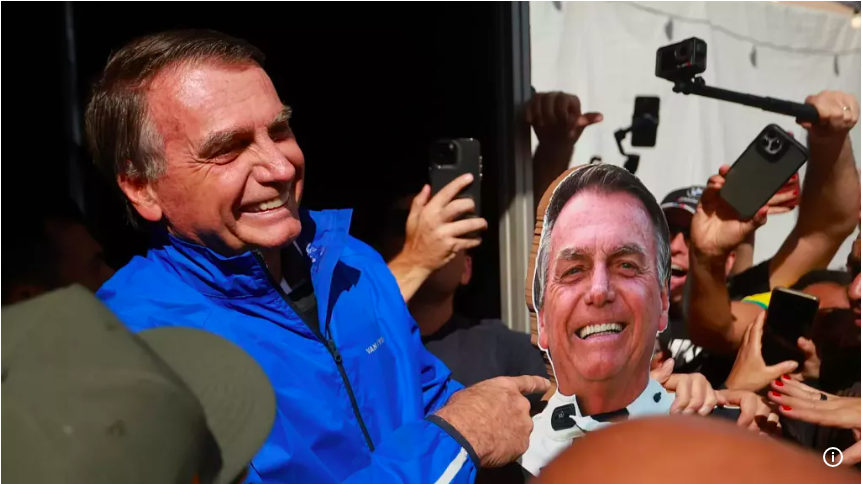
Bolsonaro’s Lawyers Reject Coup Allegations in Final Defence Before Brazil’s Supreme Court
Lawyers for Brazil’s former president Jair Bolsonaro have formally rejected coup allegations against him, delivering their final arguments late on Wednesday in a closely watched Supreme Court trial. The case centres on accusations that Bolsonaro conspired to remain in power after losing the 2022 presidential election to Luiz Inácio Lula da Silva.
The defence statement marks the last procedural step before the trial moves to deliberation, with a verdict expected by the end of the year. The outcome could carry profound political consequences for Brazil’s already polarised landscape.
Register for Tekedia Mini-MBA edition 20 (June 8 – Sept 5, 2026).
Register for Tekedia AI in Business Masterclass.
Join Tekedia Capital Syndicate and co-invest in great global startups.
Register for Tekedia AI Lab.
Defence: “No Solid Evidence” of a Coup Plot
Bolsonaro’s legal team argued that prosecutors had failed to present credible evidence proving that he acted against Brazil’s democratic institutions or incited others to do so.
They pointed to the fact that Bolsonaro permitted the official transition of power to proceed, despite his public criticisms of the electoral process. “This is evidence that eliminates the most essential of the accusatory premises,” the defence argued, portraying him as someone who ultimately respected constitutional order.

The lawyers dismissed the prosecution’s claims as politically motivated, framing the case as an attempt to criminalise Bolsonaro’s political rhetoric and association with allies.
The Stakes: Possible Prison Term of Over a Decade
If convicted of attempting a coup, Bolsonaro faces up to 12 years in prison. With additional charges pending in other cases, his total potential prison time could span decades.

Even if found guilty, the former president can appeal to the full Supreme Court, which would delay the execution of any sentence. However, a conviction would add to Bolsonaro’s legal troubles and could further erode his political base.
Brazil’s top electoral court has already barred the far-right leader from holding public office until 2030, ruling last year that he abused his position by undermining confidence in the country’s voting system.
Prosecution’s Case: Evidence of a Conspiracy
Prosecutor General Paulo Gonet submitted his final arguments in July, asserting that there is extensive evidence of a conspiracy to subvert Brazil’s democratic order.
According to Gonet, the prosecution’s case includes:
- Handwritten notes allegedly detailing plans to prevent Lula’s inauguration.
- Digital files and message exchanges between Bolsonaro and close advisers.
- Spreadsheets purportedly outlining operational steps and resources for the alleged plot.
Gonet maintains that these materials show a coordinated effort to challenge the election results and undermine public trust in democratic institutions.
Court Oversight and Ongoing Restrictions
The trial is being overseen by Justice Alexandre de Moraes, a prominent figure in Brazil’s judiciary and a frequent target of Bolsonaro’s criticism. Moraes previously ordered precautionary measures restricting Bolsonaro’s public communications, citing concerns that he could influence witnesses or mobilise supporters.
Bolsonaro has been under house arrest since 5 August, after allegedly violating those restrictions by disseminating content through his three lawmaker sons. Last week, Moraes eased certain conditions, allowing unrestricted family visits.
Political and Diplomatic Repercussions
The case has become a flashpoint in Brazil’s domestic politics and has also attracted international attention—particularly from the United States. Former U.S. president Donald Trump has openly voiced support for Bolsonaro, calling the prosecution a “witch hunt” and linking his own decision to impose a 50% tariff on Brazilian imports to what he described as unfair treatment of the former Brazilian leader.
In Brazil, reactions remain sharply divided. Supporters view the case as judicial overreach aimed at dismantling a political movement, while critics argue it is an essential test of accountability for public officials accused of undermining democracy.
A Trial with Broad Implications
The verdict in Bolsonaro’s case will be decided by a five-justice panel of the Supreme Court. Given the weight off the allegations and the prominence of the defendant, the ruling is expected to set a legal precedent for future cases involving threats to democratic institutions.
Analysts say a conviction could strengthen the judiciary’s role as a guardian of constitutional order in Brazil, while an acquittal might embolden politicians to push the limits of electoral contestation.
The trial also comes at a time when Brazil is navigating tense trade relations with the United States and attempting to stabilise its domestic economy amid inflationary pressures. Political instability could complicate Lula’s economic agenda and foreign policy negotiations.
Bolsonaro’s Political Future
Even though Bolsonaro is already barred from running until 2030, his political influence endures, especially among conservative and rural voters. His ability to mobilise large crowds and dominate right-wing discourse makes him a pivotal figure in Brazilian politics—whether or not he holds office again.
An acquittal could revitalise his role as a kingmaker within the opposition, while a conviction would likely force him into a diminished, though still symbolic, position in national politics. Either way, the trial’s conclusion will have ripple effects for Brazil’s political alliances and the broader ideological battle shaping the country’s future.
Conclusion: Awaiting a Landmark Verdict
As Brazil’s Supreme Court moves into the deliberation phase, the nation waits for a decision that could reshape its political landscape for years to come. Bolsonaro’s defence insists the case is built on shaky ground, citing the peaceful transfer of power as proof against coup plotting. The prosecution counters with a trove of documents, messages, and operational plans it claims point to a deliberate attempt to subvert democracy.
With a verdict due by year’s end, the stakes could not be higher—not just for Bolsonaro, but for Brazil’s democratic institutions. Whether the court convicts or acquits, the ruling will reverberate through the nation’s politics, economy, and global standing.
meta description
Lawyers for Brazil’s former president Jair Bolsonaro deny coup allegations in a Supreme Court trial, arguing no evidence proves he sought to block the 2022 power transition, as a verdict looms by year’s end.
Uploaded files:Share this:
- Click to share on Facebook (Opens in new window) Facebook
- Click to share on X (Opens in new window) X
- Click to share on WhatsApp (Opens in new window) WhatsApp
- Click to share on LinkedIn (Opens in new window) LinkedIn
- Click to email a link to a friend (Opens in new window) Email
- Click to print (Opens in new window) Print