

Bosch to Cut 13,000 Auto-Parts Jobs in Germany to Save €2.5 Billion Amid Car Market Crisis

Quote from Alex Bobby on September 28, 2025, 6:34 AM
Germany’s Bosch to Cut 13,000 Jobs at Auto-Parts Business Amid Market Turmoil
German engineering giant Bosch has announced plans to slash around 13,000 jobs at its auto-parts division by 2030, as Europe’s struggling car market shows few signs of recovery. The cuts, representing about 3% of the company’s global workforce, are aimed at saving €2.5 billion “as quickly as possible,” Bosch confirmed this week.
The announcement comes as a further blow to Europe’s automotive sector, which has been battered by sluggish consumer demand, rising costs, intensifying competition from Chinese manufacturers, and shifting policies around electric vehicles. For Bosch, one of the world’s largest suppliers of automotive components, the move underscores the scale of the crisis—and the difficult path forward for companies navigating a rapidly changing industry.
Stuttgart Hit Hardest
The job cuts will primarily affect Bosch’s operations in Germany, with its headquarters region of Stuttgart expected to bear the brunt. Sites in Feuerbach and Schwieberdingen are projected to see thousands of positions eliminated over the coming years. The company says it will begin discussions with employees and labor representatives immediately, as it works to implement the restructuring plan.
While Bosch has made job reductions in the past, this latest round marks one of its largest workforce overhauls in recent history. It reflects both short-term financial pressures and long-term uncertainties tied to the global transition away from combustion engines.
A Sector in Crisis
Europe’s carmakers have been hit hard on multiple fronts. Consumer demand for new vehicles remains lackluster, weighed down by high inflation, elevated interest rates, and waning government subsidies for electric vehicles (EVs).
At the same time, manufacturers face soaring labor and energy costs, which have eroded margins across the industry. Competition has intensified as Chinese carmakers flood global markets with lower-cost models, especially in the EV segment, putting European firms on the defensive.
Trade frictions have further complicated matters. Although duties on U.S. car and auto-parts exports to Europe currently stand at 15%—lower than a previously threatened 27.5%—tariffs remain a drag on cross-border profitability. For companies like Bosch, which straddle multiple markets, these pressures have added layers of uncertainty.
The EV Transition Challenge
The global shift toward electric mobility was initially viewed as a pathway to revitalization for Europe’s auto industry. Yet the transition has brought its own set of challenges. Governments across the continent have scaled back subsidies and incentives for EV buyers, curbing demand just as automakers had ramped up investments in new technologies and production capacity.
Bosch, like its peers, has been forced to recalibrate its strategies. As one of the world’s leading suppliers of components for both traditional and electric vehicles, the company has invested heavily in e-mobility solutions, from power electronics to charging infrastructure. But these investments take time to yield profits, and in the meantime, Bosch must grapple with falling demand for combustion-engine components, which still represent a significant portion of its revenues.
“Uncertainty over EU carbon emissions targets and inconsistent policy support for electric mobility have left suppliers caught in the middle,” said one industry analyst. “Companies like Bosch are being squeezed from both ends—declining traditional markets and insufficient growth in new ones.”
Saving €2.5 Billion
Bosch has set an ambitious goal of recouping €2.5 billion in savings through the restructuring. The cuts are expected to deliver a leaner cost base, enabling the company to weather prolonged weakness in Europe’s car market.
In a statement, Bosch said it “deeply regrets” the impact on employees but emphasised the necessity of the move. “We are acting to safeguard the competitiveness of our business in an extremely challenging environment. Our focus will remain on innovation, but we must also ensure financial sustainability.”
The company has not yet detailed whether the reductions will come entirely through layoffs or whether early retirements and voluntary exit programs will play a role. However, labor unions in Germany are bracing for tough negotiations, with works councils expected to push for job guarantees and retraining measures for displaced employees.
Broader Industry Implications
Bosch’s announcement adds to a growing list of job cuts across Europe’s automotive sector. In recent years, giants such as Volkswagen, Stellantis, and Mercedes-Benz have all announced restructuring plans, citing the need to streamline operations in the face of declining combustion-engine sales and rising EV production costs.
The trend raises concerns about the long-term employment outlook in regions like Baden-Württemberg, where the auto industry has been a cornerstone of the economy for decades. The ripple effects are likely to extend to suppliers, service providers, and local communities heavily reliant on the sector.
“Bosch is not alone,” said a representative from IG Metall, Germany’s powerful industrial union. “The entire auto supply chain is under pressure, and unless there is a coordinated strategy to manage this transition, tens of thousands of workers could be left behind.”
The China Factor
Adding to the complexity is the growing dominance of Chinese manufacturers in the global car market. Companies such as BYD and SAIC have leveraged economies of scale, state support, and advanced EV technology to produce cars at lower costs than their European competitors.
For Bosch, this means both challenges and opportunities. While Chinese automakers represent formidable rivals for its European customers, they also present potential clients for Bosch’s component business. Yet navigating these relationships amid geopolitical tensions between the EU and China remains a delicate balancing act.
Final Thoughts
Bosch’s decision to cut 13,000 jobs underscores the difficult reality facing Europe’s automotive sector: structural change is inevitable, and the path ahead will be painful. For employees, particularly in Germany’s Stuttgart region, the cuts signal a period of uncertainty and adjustment. For policymakers, the news highlights the urgency of crafting consistent, supportive frameworks to guide the industry through the EV transition.
As Bosch seeks to save €2.5 billion and stabilise its operations, the broader question remains whether Europe’s car industry can adapt quickly enough to withstand fierce global competition and shifting consumer trends. The fate of companies like Bosch—and the livelihoods of thousands of workers—will depend on it.
Meta Description
Bosch will cut 13,000 jobs at its auto-parts division by 2030, aiming to save €2.5B as Europe’s struggling car market faces rising costs and global competition.
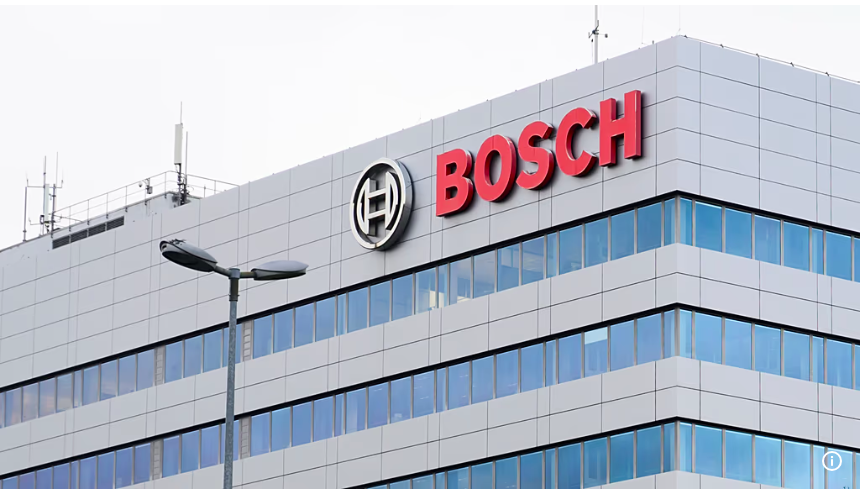
Germany’s Bosch to Cut 13,000 Jobs at Auto-Parts Business Amid Market Turmoil
German engineering giant Bosch has announced plans to slash around 13,000 jobs at its auto-parts division by 2030, as Europe’s struggling car market shows few signs of recovery. The cuts, representing about 3% of the company’s global workforce, are aimed at saving €2.5 billion “as quickly as possible,” Bosch confirmed this week.
The announcement comes as a further blow to Europe’s automotive sector, which has been battered by sluggish consumer demand, rising costs, intensifying competition from Chinese manufacturers, and shifting policies around electric vehicles. For Bosch, one of the world’s largest suppliers of automotive components, the move underscores the scale of the crisis—and the difficult path forward for companies navigating a rapidly changing industry.
Register for Tekedia Mini-MBA edition 20 (June 8 – Sept 5, 2026).
Register for Tekedia AI in Business Masterclass.
Join Tekedia Capital Syndicate and co-invest in great global startups.
Register for Tekedia AI Lab.
Stuttgart Hit Hardest
The job cuts will primarily affect Bosch’s operations in Germany, with its headquarters region of Stuttgart expected to bear the brunt. Sites in Feuerbach and Schwieberdingen are projected to see thousands of positions eliminated over the coming years. The company says it will begin discussions with employees and labor representatives immediately, as it works to implement the restructuring plan.
While Bosch has made job reductions in the past, this latest round marks one of its largest workforce overhauls in recent history. It reflects both short-term financial pressures and long-term uncertainties tied to the global transition away from combustion engines.

A Sector in Crisis
Europe’s carmakers have been hit hard on multiple fronts. Consumer demand for new vehicles remains lackluster, weighed down by high inflation, elevated interest rates, and waning government subsidies for electric vehicles (EVs).
At the same time, manufacturers face soaring labor and energy costs, which have eroded margins across the industry. Competition has intensified as Chinese carmakers flood global markets with lower-cost models, especially in the EV segment, putting European firms on the defensive.

Trade frictions have further complicated matters. Although duties on U.S. car and auto-parts exports to Europe currently stand at 15%—lower than a previously threatened 27.5%—tariffs remain a drag on cross-border profitability. For companies like Bosch, which straddle multiple markets, these pressures have added layers of uncertainty.
The EV Transition Challenge
The global shift toward electric mobility was initially viewed as a pathway to revitalization for Europe’s auto industry. Yet the transition has brought its own set of challenges. Governments across the continent have scaled back subsidies and incentives for EV buyers, curbing demand just as automakers had ramped up investments in new technologies and production capacity.
Bosch, like its peers, has been forced to recalibrate its strategies. As one of the world’s leading suppliers of components for both traditional and electric vehicles, the company has invested heavily in e-mobility solutions, from power electronics to charging infrastructure. But these investments take time to yield profits, and in the meantime, Bosch must grapple with falling demand for combustion-engine components, which still represent a significant portion of its revenues.
“Uncertainty over EU carbon emissions targets and inconsistent policy support for electric mobility have left suppliers caught in the middle,” said one industry analyst. “Companies like Bosch are being squeezed from both ends—declining traditional markets and insufficient growth in new ones.”
Saving €2.5 Billion
Bosch has set an ambitious goal of recouping €2.5 billion in savings through the restructuring. The cuts are expected to deliver a leaner cost base, enabling the company to weather prolonged weakness in Europe’s car market.
In a statement, Bosch said it “deeply regrets” the impact on employees but emphasised the necessity of the move. “We are acting to safeguard the competitiveness of our business in an extremely challenging environment. Our focus will remain on innovation, but we must also ensure financial sustainability.”
The company has not yet detailed whether the reductions will come entirely through layoffs or whether early retirements and voluntary exit programs will play a role. However, labor unions in Germany are bracing for tough negotiations, with works councils expected to push for job guarantees and retraining measures for displaced employees.
Broader Industry Implications
Bosch’s announcement adds to a growing list of job cuts across Europe’s automotive sector. In recent years, giants such as Volkswagen, Stellantis, and Mercedes-Benz have all announced restructuring plans, citing the need to streamline operations in the face of declining combustion-engine sales and rising EV production costs.
The trend raises concerns about the long-term employment outlook in regions like Baden-Württemberg, where the auto industry has been a cornerstone of the economy for decades. The ripple effects are likely to extend to suppliers, service providers, and local communities heavily reliant on the sector.
“Bosch is not alone,” said a representative from IG Metall, Germany’s powerful industrial union. “The entire auto supply chain is under pressure, and unless there is a coordinated strategy to manage this transition, tens of thousands of workers could be left behind.”
The China Factor
Adding to the complexity is the growing dominance of Chinese manufacturers in the global car market. Companies such as BYD and SAIC have leveraged economies of scale, state support, and advanced EV technology to produce cars at lower costs than their European competitors.
For Bosch, this means both challenges and opportunities. While Chinese automakers represent formidable rivals for its European customers, they also present potential clients for Bosch’s component business. Yet navigating these relationships amid geopolitical tensions between the EU and China remains a delicate balancing act.
Final Thoughts
Bosch’s decision to cut 13,000 jobs underscores the difficult reality facing Europe’s automotive sector: structural change is inevitable, and the path ahead will be painful. For employees, particularly in Germany’s Stuttgart region, the cuts signal a period of uncertainty and adjustment. For policymakers, the news highlights the urgency of crafting consistent, supportive frameworks to guide the industry through the EV transition.
As Bosch seeks to save €2.5 billion and stabilise its operations, the broader question remains whether Europe’s car industry can adapt quickly enough to withstand fierce global competition and shifting consumer trends. The fate of companies like Bosch—and the livelihoods of thousands of workers—will depend on it.
Meta Description
Bosch will cut 13,000 jobs at its auto-parts division by 2030, aiming to save €2.5B as Europe’s struggling car market faces rising costs and global competition.
Share this:
- Click to share on Facebook (Opens in new window) Facebook
- Click to share on X (Opens in new window) X
- Click to share on WhatsApp (Opens in new window) WhatsApp
- Click to share on LinkedIn (Opens in new window) LinkedIn
- Click to email a link to a friend (Opens in new window) Email
- Click to print (Opens in new window) Print