

"Boxing in Ghana Suspended After Ernest Akushey’s Death: Calls for Safety Reforms Intensify"

Quote from Alex Bobby on September 27, 2025, 6:11 AM
Boxing in Ghana Suspended After Death of Ernest Akushey, 32
Boxing in Ghana has been plunged into mourning and crisis after the tragic death of super-middleweight fighter Ernest Akushey, known in the ring as Bahubali. Akushey passed away on Tuesday, just 11 days after competing in a bout in Accra, sending shockwaves through Ghana’s sporting community and prompting the National Sports Authority to suspend all boxing activities nationwide.
Akushey, aged 32, was a prominent figure in Ghana’s boxing scene, admired for his power, resilience, and dedication to the sport. His sudden passing has sparked widespread grief and outrage, with calls for urgent reforms to protect fighters and improve safety standards in Ghanaian boxing.
The Fatal Fight
On 12 September, Akushey faced Jacob Dickson at the Bukom Boxing Arena in Accra — a venue renowned as a heart of Ghanaian boxing tradition. Reports suggest the bout was intense and demanding. Eleven days later, Akushey collapsed and died under circumstances that remain under investigation. While the exact cause of death has not yet been confirmed, preliminary reports indicate it may be linked to internal injuries sustained during the match.
The loss of Bahubali has not only devastated his family and fans but has also reignited concerns over the safety protocols in professional boxing in Ghana.
National Boxing Suspension
In response to the tragedy, Ghana’s National Sports Authority (NSA) issued a statement announcing the immediate suspension of all boxing activities across the country. The statement described the decision as a “necessary step” to “protect lives, uphold the integrity of the sport and ensure its future.”
The move is historic — boxing in Ghana has never before been halted nationwide. The suspension underscores the gravity of the incident and the urgent need to examine safety standards within the sport.
A Five-Year Safety Strategy
Alongside the suspension, the NSA announced plans to develop a five‑year strategy for boxing in Ghana. This initiative will aim to establish safer, more professional, and globally aligned standards for the sport.
The strategy is expected to address several pressing issues, including:
* **Stricter medical protocols** before, during, and after bouts.
* **Improved training and certification** for referees and officials.
* **Enhanced fighter safety measures**, including mandatory medical screenings and post-fight assessments.
* **Better regulation of venues and equipment** to meet international safety standards.
The NSA stressed that these reforms are essential not only to prevent future tragedies but also to protect the legacy of boxing in Ghana.
A Pattern of Tragedy
Akushey’s death comes just six months after another fatal incident rocked Ghanaian boxing. In March, Nigerian boxer Gabriel Oluwasegun Olanrewaju collapsed during a fight against Ghanaian opponent Jon Mbanugu at the same Bukom Boxing Arena. Olanrewaju died shortly after being rushed to hospital.
The recurrence of such incidents has intensified scrutiny over Ghana’s boxing regulations and sparked broader conversations about whether adequate measures are in place to safeguard fighters. Many fans, officials, and sports commentators are now demanding accountability and systemic reform.
Boxing’s Place in Ghanaian Culture
Boxing is more than a sport in Ghana — it is a cultural institution. The country has produced some of the most celebrated fighters in boxing history, including legendary two‑weight world champion Azumah Nelson, often regarded as one of Africa’s greatest ever boxers.
The Bukom Boxing Arena in Accra is a symbol of this rich tradition, a place where young fighters train with hopes of national and international glory. Boxing is deeply embedded in Ghanaian identity, drawing passionate support and fostering talent from grassroots levels to the professional stage.
This deep connection makes the suspension even more significant. For many Ghanaians, boxing is a source of pride and a path to opportunity. Yet the recent tragedies have forced a painful reckoning about whether the sport is doing enough to protect its fighters.
Voices from the Boxing Community
Reactions to the suspension have been mixed. Some fighters, trainers, and promoters support the decision, describing it as a necessary pause to “reflect and reform.” They argue that boxing, given its physical intensity, must operate under the highest safety standards to honour both the athletes and the sport’s reputation.
Others express concern about the impact of a prolonged suspension on Ghana’s boxing ecosystem, especially for emerging talents who rely on regular bouts to build careers and livelihoods. They warn that without careful management, the suspension could stall the development of the sport.
Nonetheless, there is broad consensus on the need for change. Many see this as an opportunity to modernise Ghanaian boxing, making it safer, more professional, and respected on the global stage.
The Road Ahead
The coming months will be critical for Ghanaian boxing. The NSA’s five‑year safety strategy offers a blueprint for reform, but it will require cooperation from promoters, fighters, officials, and fans to succeed. Transparency, rigorous oversight, and sustained investment in safety infrastructure will be essential.
Final Thoughts
The death of Ernest Akushey is a heartbreaking moment for Ghana and the global boxing community. It is a tragic reminder of the physical risks athletes face every time they step into the ring. The nationwide suspension of boxing reflects both the seriousness of the situation and a collective willingness to pause and rethink safety in the sport.
Boxing has been a source of pride for Ghana for decades, producing legends and inspiring generations. Yet the recent tragedies make it clear that passion and tradition must be matched with rigorous safety measures. The five‑year reform plan offers hope for a safer future, but success will depend on transparency, accountability, and cooperation across the boxing community.
Ultimately, this moment could mark a turning point — a shift toward a more professional, safe, and globally respected boxing culture in Ghana. Ernest Akushey’s legacy should not only be remembered for his talent in the ring but also for the changes his passing may inspire to protect the fighters of tomorrow.
For the boxing community in Ghana, Ernest Akushey’s death is a tragic reminder of the risks inherent in the sport. His passing is not only a loss for his family and friends but also a call to action for the entire nation to prioritise safety and preserve the integrity of Ghana’s boxing legacy.
Conclusion
The suspension of boxing in Ghana marks a turning point. It is a solemn recognition of the dangers fighters face and a commitment to ensuring that no life is needlessly lost in the pursuit of glory. As Ghana pauses to reflect, mourn, and reform, the eyes of the world will be watching to see whether this moment becomes a catalyst for meaningful change.
Ernest Akushey, Bahubali, will be remembered not only for his skill and dedication but also for the urgent questions his death has raised — questions that may reshape boxing in Ghana for generations to come.
Meta Description:
"Ghana suspends all boxing activities following the tragic death of super-middleweight Ernest Akushey, 32, just days after a bout in Accra. The National Sports Authority announces a five-year safety reform strategy to protect fighters and uphold the sport’s integrity."
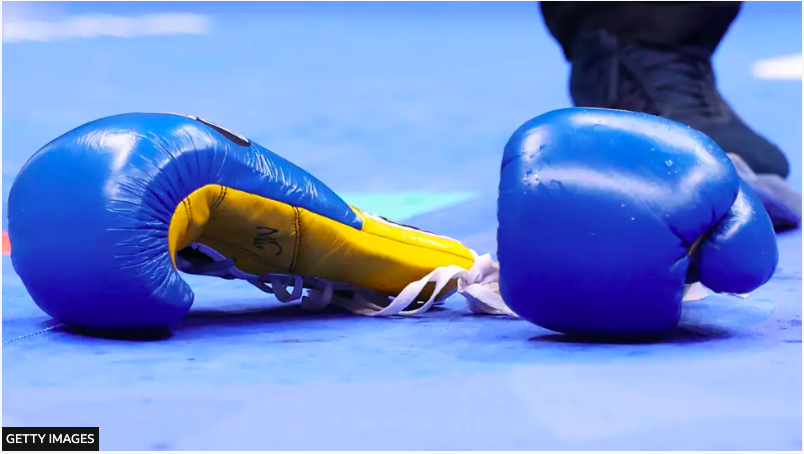
Boxing in Ghana Suspended After Death of Ernest Akushey, 32
Boxing in Ghana has been plunged into mourning and crisis after the tragic death of super-middleweight fighter Ernest Akushey, known in the ring as Bahubali. Akushey passed away on Tuesday, just 11 days after competing in a bout in Accra, sending shockwaves through Ghana’s sporting community and prompting the National Sports Authority to suspend all boxing activities nationwide.
Akushey, aged 32, was a prominent figure in Ghana’s boxing scene, admired for his power, resilience, and dedication to the sport. His sudden passing has sparked widespread grief and outrage, with calls for urgent reforms to protect fighters and improve safety standards in Ghanaian boxing.
Register for Tekedia Mini-MBA edition 20 (June 8 – Sept 5, 2026).
Register for Tekedia AI in Business Masterclass.
Join Tekedia Capital Syndicate and co-invest in great global startups.
Register for Tekedia AI Lab.
The Fatal Fight
On 12 September, Akushey faced Jacob Dickson at the Bukom Boxing Arena in Accra — a venue renowned as a heart of Ghanaian boxing tradition. Reports suggest the bout was intense and demanding. Eleven days later, Akushey collapsed and died under circumstances that remain under investigation. While the exact cause of death has not yet been confirmed, preliminary reports indicate it may be linked to internal injuries sustained during the match.
The loss of Bahubali has not only devastated his family and fans but has also reignited concerns over the safety protocols in professional boxing in Ghana.

National Boxing Suspension
In response to the tragedy, Ghana’s National Sports Authority (NSA) issued a statement announcing the immediate suspension of all boxing activities across the country. The statement described the decision as a “necessary step” to “protect lives, uphold the integrity of the sport and ensure its future.”
The move is historic — boxing in Ghana has never before been halted nationwide. The suspension underscores the gravity of the incident and the urgent need to examine safety standards within the sport.

A Five-Year Safety Strategy
Alongside the suspension, the NSA announced plans to develop a five‑year strategy for boxing in Ghana. This initiative will aim to establish safer, more professional, and globally aligned standards for the sport.
The strategy is expected to address several pressing issues, including:
* **Stricter medical protocols** before, during, and after bouts.
* **Improved training and certification** for referees and officials.
* **Enhanced fighter safety measures**, including mandatory medical screenings and post-fight assessments.
* **Better regulation of venues and equipment** to meet international safety standards.
The NSA stressed that these reforms are essential not only to prevent future tragedies but also to protect the legacy of boxing in Ghana.
A Pattern of Tragedy
Akushey’s death comes just six months after another fatal incident rocked Ghanaian boxing. In March, Nigerian boxer Gabriel Oluwasegun Olanrewaju collapsed during a fight against Ghanaian opponent Jon Mbanugu at the same Bukom Boxing Arena. Olanrewaju died shortly after being rushed to hospital.
The recurrence of such incidents has intensified scrutiny over Ghana’s boxing regulations and sparked broader conversations about whether adequate measures are in place to safeguard fighters. Many fans, officials, and sports commentators are now demanding accountability and systemic reform.
Boxing’s Place in Ghanaian Culture
Boxing is more than a sport in Ghana — it is a cultural institution. The country has produced some of the most celebrated fighters in boxing history, including legendary two‑weight world champion Azumah Nelson, often regarded as one of Africa’s greatest ever boxers.
The Bukom Boxing Arena in Accra is a symbol of this rich tradition, a place where young fighters train with hopes of national and international glory. Boxing is deeply embedded in Ghanaian identity, drawing passionate support and fostering talent from grassroots levels to the professional stage.
This deep connection makes the suspension even more significant. For many Ghanaians, boxing is a source of pride and a path to opportunity. Yet the recent tragedies have forced a painful reckoning about whether the sport is doing enough to protect its fighters.
Voices from the Boxing Community
Reactions to the suspension have been mixed. Some fighters, trainers, and promoters support the decision, describing it as a necessary pause to “reflect and reform.” They argue that boxing, given its physical intensity, must operate under the highest safety standards to honour both the athletes and the sport’s reputation.
Others express concern about the impact of a prolonged suspension on Ghana’s boxing ecosystem, especially for emerging talents who rely on regular bouts to build careers and livelihoods. They warn that without careful management, the suspension could stall the development of the sport.
Nonetheless, there is broad consensus on the need for change. Many see this as an opportunity to modernise Ghanaian boxing, making it safer, more professional, and respected on the global stage.
The Road Ahead
The coming months will be critical for Ghanaian boxing. The NSA’s five‑year safety strategy offers a blueprint for reform, but it will require cooperation from promoters, fighters, officials, and fans to succeed. Transparency, rigorous oversight, and sustained investment in safety infrastructure will be essential.
Final Thoughts
The death of Ernest Akushey is a heartbreaking moment for Ghana and the global boxing community. It is a tragic reminder of the physical risks athletes face every time they step into the ring. The nationwide suspension of boxing reflects both the seriousness of the situation and a collective willingness to pause and rethink safety in the sport.
Boxing has been a source of pride for Ghana for decades, producing legends and inspiring generations. Yet the recent tragedies make it clear that passion and tradition must be matched with rigorous safety measures. The five‑year reform plan offers hope for a safer future, but success will depend on transparency, accountability, and cooperation across the boxing community.
Ultimately, this moment could mark a turning point — a shift toward a more professional, safe, and globally respected boxing culture in Ghana. Ernest Akushey’s legacy should not only be remembered for his talent in the ring but also for the changes his passing may inspire to protect the fighters of tomorrow.
For the boxing community in Ghana, Ernest Akushey’s death is a tragic reminder of the risks inherent in the sport. His passing is not only a loss for his family and friends but also a call to action for the entire nation to prioritise safety and preserve the integrity of Ghana’s boxing legacy.
Conclusion
The suspension of boxing in Ghana marks a turning point. It is a solemn recognition of the dangers fighters face and a commitment to ensuring that no life is needlessly lost in the pursuit of glory. As Ghana pauses to reflect, mourn, and reform, the eyes of the world will be watching to see whether this moment becomes a catalyst for meaningful change.
Ernest Akushey, Bahubali, will be remembered not only for his skill and dedication but also for the urgent questions his death has raised — questions that may reshape boxing in Ghana for generations to come.
Meta Description:
"Ghana suspends all boxing activities following the tragic death of super-middleweight Ernest Akushey, 32, just days after a bout in Accra. The National Sports Authority announces a five-year safety reform strategy to protect fighters and uphold the sport’s integrity."
Share this:
- Click to share on Facebook (Opens in new window) Facebook
- Click to share on X (Opens in new window) X
- Click to share on WhatsApp (Opens in new window) WhatsApp
- Click to share on LinkedIn (Opens in new window) LinkedIn
- Click to email a link to a friend (Opens in new window) Email
- Click to print (Opens in new window) Print