

Britain to Recognise Palestinian State at UN in Bid to Revive Two-State Solution

Quote from Alex Bobby on August 2, 2025, 5:49 AM
Britain’s Plan to Recognise Palestine: A Symbolic Shift or Diplomatic Turning Point?
In what could mark a significant shift in international diplomacy, Britain’s Prime Minister Sir Keir Starmer is planning to support the recognition of a Palestinian state at the UN General Assembly this September. The move, following similar signals from France and later echoed by Canada, is part of a broader attempt to breathe life back into the long-dormant two-state solution — a vision of peace that has been reduced to an empty slogan since the collapse of the Oslo Accords over 25 years ago.
At its core, the recognition is a political statement: that Palestinian statehood must be seen as a legitimate aspiration, not an abstract possibility forever stalled by shifting geopolitics. But as events on the ground in the West Bank reveal, that aspiration faces deep and bitter resistance — carved into the landscape itself.
A Land Transformed by Settlements
Driving through the West Bank today offers a sobering reality check. The vision of a future Palestinian state has been physically fragmented and politically undermined by decades of Israeli settlement construction, which has created a parallel, and often hostile, presence in the land Palestinians seek for their own.
Since Israel’s occupation of the West Bank began after the 1967 Middle East war, it has established more than 700,000 settlers across the territory. These Jewish settlements, from suburban-style towns with schools and parks to newly established hilltop outposts, are a product of an extensive and strategic national effort—one that has taken nearly 60 years and cost billions.
Under international law, particularly the Fourth Geneva Convention, it is illegal for an occupying power to transfer its own civilian population into the territory it occupies. The International Court of Justice reaffirmed this last year, stating the occupation itself is unlawful. Nevertheless, the Israeli government under Prime Minister Benjamin Netanyahu remains committed to expanding the settlement enterprise, with new construction pushing further into Palestinian lands.
Living Under Threat
In villages like Taybeh, a Christian community of 1,500 people, the consequences of this policy are felt not in abstract political terms, but in fear and violence. After decades of occupation, more people from Taybeh now live abroad than remain in the village. Those who stay face the threat of settler attacks that have escalated since the Hamas-led assault on Israel on October 7.
Two nights before a journalist visited, settlers raided Taybeh under the cover of darkness, setting Kamal Tayea’s car on fire and trying to break into his home. Red Hebrew graffiti was sprayed across his walls. Tayea, a father and caretaker to his elderly mother, is now installing security cameras around his house. "We were very, very scared," he said. “Our lives were threatened, and it was terrifying.”
Asked whether Britain's potential recognition of Palestine would make a difference in his life, Tayea expressed doubt. “It’s a big step to have a superpower like Britain support us, but on the ground, it does not change much. Israel is not compliant with any international resolutions or laws. It does not listen to any other country in the whole world.”
Settler Violence as a Strategy
What is happening in Taybeh is not isolated. UN data and peace groups report that settler violence has surged in recent months, particularly targeting remote Palestinian communities. The goal, according to observers and some victims, is not just intimidation but displacement. In areas of the occupied West Bank, settlers have burned cars, stolen livestock, and destroyed homes—acts that go far beyond vandalism.
In some cases, they have succeeded in pushing Palestinian communities off their lands. In others, like Taybeh, the resistance remains strong.
Father David Khoury, a 74-year-old Greek Orthodox priest born in Taybeh, told how settlers have threatened him and his congregation. “Yes, they have guns,” he said calmly. “They’ll use them if we argue with them. They want us out, they want us to leave.”
Despite the danger, Khoury is steadfast. “We are here, since Jesus Christ, 2,000 years. Our roots are here. We can’t move. We will not move, even if we die here, we will not move from here… Palestine is inside our blood, how can we live without our blood?”
A Symbolic Gesture or a Step Toward Peace?
For many Palestinians, recognition of their statehood by a major Western power like the UK is long overdue. But it remains to be seen whether the gesture will translate into concrete change. On the diplomatic stage, Britain’s move could reignite international pressure for a negotiated settlement. But on the rocky hills of the West Bank, where settlers plant flags and Palestinians bury the hopes of another generation, the gap between words and reality remains vast.
Recognition at the UN might restore the two-state solution’s relevance in global discourse. Yet until the facts on the ground begin to change — until settlements are halted, violence curbed, and occupation addressed — statehood may remain an aspiration deferred, rather than a future delivered.
Looking Forward
As Britain prepares to back the recognition of a Palestinian state at the UN General Assembly, the international spotlight may once again focus on a peace process many had written off as obsolete. Whether this move can shift the balance on the ground remains uncertain. However, it signals that global powers are no longer content with silence or slogans. For Palestinians living under occupation, recognition alone won't bring safety or sovereignty — but it might be the first step in reviving a diplomatic push that holds Israel accountable and reimagines a path to coexistence.
Final Thought
Recognition of Palestine by Britain and other global powers may not undo decades of occupation overnight, but it sends a clear message: the world has not given up on justice, statehood, and peace. For those living under daily threat, it’s a glimmer of international solidarity—one that must be followed by action if it is to mean more than words.
Conclusion
Britain’s plan to recognise a Palestinian state at the UN may not immediately change the grim realities faced by communities like Taybeh, but it represents a renewed international will to address a conflict too long defined by stagnation and injustice. As the occupation deepens and violence escalates, symbolic gestures alone are not enough. Real change requires political courage, enforcement of international law, and a commitment to protecting lives on both sides. Recognition might not solve the crisis—but it could reopen the door to peace, dialogue, and a future where dignity is not a privilege, but a right for all.
Meta Description:
Britain plans to recognise a Palestinian state at the UN, aiming to revive the two-state solution. But on the ground in the West Bank, decades of occupation and settler violence continue to threaten that vision.
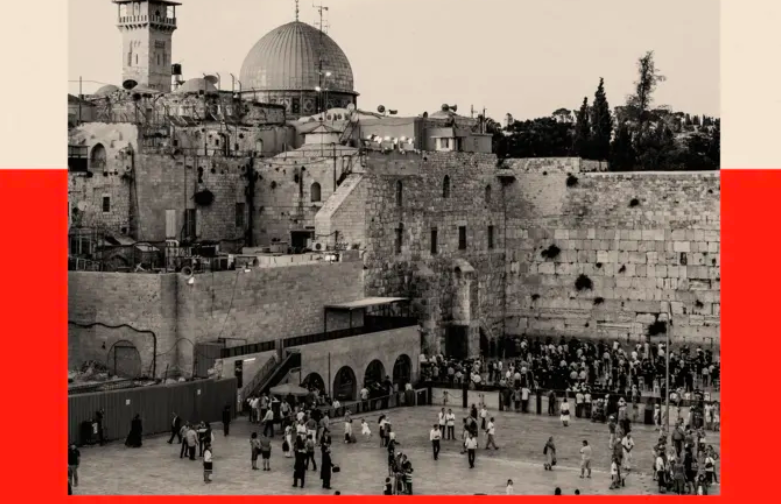
Britain’s Plan to Recognise Palestine: A Symbolic Shift or Diplomatic Turning Point?
In what could mark a significant shift in international diplomacy, Britain’s Prime Minister Sir Keir Starmer is planning to support the recognition of a Palestinian state at the UN General Assembly this September. The move, following similar signals from France and later echoed by Canada, is part of a broader attempt to breathe life back into the long-dormant two-state solution — a vision of peace that has been reduced to an empty slogan since the collapse of the Oslo Accords over 25 years ago.
At its core, the recognition is a political statement: that Palestinian statehood must be seen as a legitimate aspiration, not an abstract possibility forever stalled by shifting geopolitics. But as events on the ground in the West Bank reveal, that aspiration faces deep and bitter resistance — carved into the landscape itself.
Register for Tekedia Mini-MBA edition 20 (June 8 – Sept 5, 2026).
Register for Tekedia AI in Business Masterclass.
Join Tekedia Capital Syndicate and co-invest in great global startups.
Register for Tekedia AI Lab.
A Land Transformed by Settlements
Driving through the West Bank today offers a sobering reality check. The vision of a future Palestinian state has been physically fragmented and politically undermined by decades of Israeli settlement construction, which has created a parallel, and often hostile, presence in the land Palestinians seek for their own.
Since Israel’s occupation of the West Bank began after the 1967 Middle East war, it has established more than 700,000 settlers across the territory. These Jewish settlements, from suburban-style towns with schools and parks to newly established hilltop outposts, are a product of an extensive and strategic national effort—one that has taken nearly 60 years and cost billions.

Under international law, particularly the Fourth Geneva Convention, it is illegal for an occupying power to transfer its own civilian population into the territory it occupies. The International Court of Justice reaffirmed this last year, stating the occupation itself is unlawful. Nevertheless, the Israeli government under Prime Minister Benjamin Netanyahu remains committed to expanding the settlement enterprise, with new construction pushing further into Palestinian lands.
Living Under Threat
In villages like Taybeh, a Christian community of 1,500 people, the consequences of this policy are felt not in abstract political terms, but in fear and violence. After decades of occupation, more people from Taybeh now live abroad than remain in the village. Those who stay face the threat of settler attacks that have escalated since the Hamas-led assault on Israel on October 7.

Two nights before a journalist visited, settlers raided Taybeh under the cover of darkness, setting Kamal Tayea’s car on fire and trying to break into his home. Red Hebrew graffiti was sprayed across his walls. Tayea, a father and caretaker to his elderly mother, is now installing security cameras around his house. "We were very, very scared," he said. “Our lives were threatened, and it was terrifying.”
Asked whether Britain's potential recognition of Palestine would make a difference in his life, Tayea expressed doubt. “It’s a big step to have a superpower like Britain support us, but on the ground, it does not change much. Israel is not compliant with any international resolutions or laws. It does not listen to any other country in the whole world.”
Settler Violence as a Strategy
What is happening in Taybeh is not isolated. UN data and peace groups report that settler violence has surged in recent months, particularly targeting remote Palestinian communities. The goal, according to observers and some victims, is not just intimidation but displacement. In areas of the occupied West Bank, settlers have burned cars, stolen livestock, and destroyed homes—acts that go far beyond vandalism.
In some cases, they have succeeded in pushing Palestinian communities off their lands. In others, like Taybeh, the resistance remains strong.
Father David Khoury, a 74-year-old Greek Orthodox priest born in Taybeh, told how settlers have threatened him and his congregation. “Yes, they have guns,” he said calmly. “They’ll use them if we argue with them. They want us out, they want us to leave.”
Despite the danger, Khoury is steadfast. “We are here, since Jesus Christ, 2,000 years. Our roots are here. We can’t move. We will not move, even if we die here, we will not move from here… Palestine is inside our blood, how can we live without our blood?”
A Symbolic Gesture or a Step Toward Peace?
For many Palestinians, recognition of their statehood by a major Western power like the UK is long overdue. But it remains to be seen whether the gesture will translate into concrete change. On the diplomatic stage, Britain’s move could reignite international pressure for a negotiated settlement. But on the rocky hills of the West Bank, where settlers plant flags and Palestinians bury the hopes of another generation, the gap between words and reality remains vast.
Recognition at the UN might restore the two-state solution’s relevance in global discourse. Yet until the facts on the ground begin to change — until settlements are halted, violence curbed, and occupation addressed — statehood may remain an aspiration deferred, rather than a future delivered.
Looking Forward
As Britain prepares to back the recognition of a Palestinian state at the UN General Assembly, the international spotlight may once again focus on a peace process many had written off as obsolete. Whether this move can shift the balance on the ground remains uncertain. However, it signals that global powers are no longer content with silence or slogans. For Palestinians living under occupation, recognition alone won't bring safety or sovereignty — but it might be the first step in reviving a diplomatic push that holds Israel accountable and reimagines a path to coexistence.
Final Thought
Recognition of Palestine by Britain and other global powers may not undo decades of occupation overnight, but it sends a clear message: the world has not given up on justice, statehood, and peace. For those living under daily threat, it’s a glimmer of international solidarity—one that must be followed by action if it is to mean more than words.
Conclusion
Britain’s plan to recognise a Palestinian state at the UN may not immediately change the grim realities faced by communities like Taybeh, but it represents a renewed international will to address a conflict too long defined by stagnation and injustice. As the occupation deepens and violence escalates, symbolic gestures alone are not enough. Real change requires political courage, enforcement of international law, and a commitment to protecting lives on both sides. Recognition might not solve the crisis—but it could reopen the door to peace, dialogue, and a future where dignity is not a privilege, but a right for all.
Meta Description:
Britain plans to recognise a Palestinian state at the UN, aiming to revive the two-state solution. But on the ground in the West Bank, decades of occupation and settler violence continue to threaten that vision.
Share this:
- Click to share on Facebook (Opens in new window) Facebook
- Click to share on X (Opens in new window) X
- Click to share on WhatsApp (Opens in new window) WhatsApp
- Click to share on LinkedIn (Opens in new window) LinkedIn
- Click to email a link to a friend (Opens in new window) Email
- Click to print (Opens in new window) Print