

Budapest Pride 2025 Draws Record 200,000 Marchers Despite Ban as Orbán Calls It “Shameful”

Quote from Alex Bobby on June 30, 2025, 4:37 AM
Budapest Pride 2025: A Historic March Met with Controversy and Condemnation
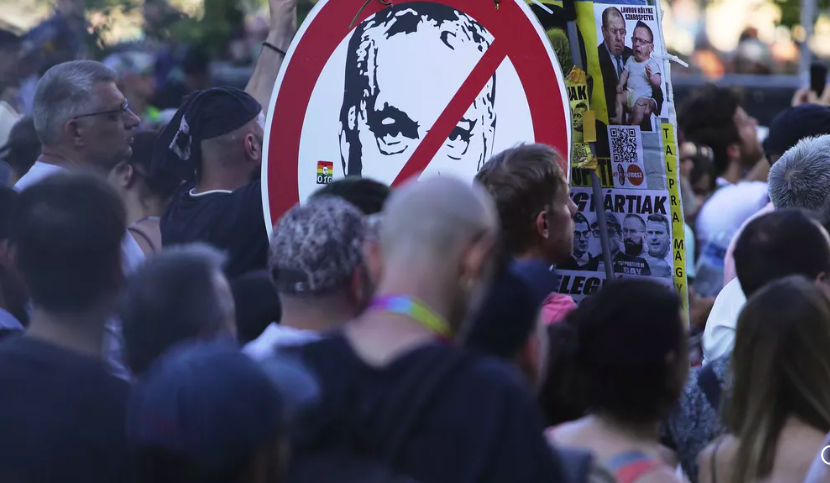
In a striking show of solidarity and defiance, between 100,000 and 200,000 people took to the streets of Budapest on Saturday to celebrate the 30th Budapest Pride. This unprecedented turnout shattered previous attendance records, defying a government ban and sending a loud message not just to Hungarian leaders but to Europe at large.
The event, officially outlawed by Hungary’s ruling Fidesz party, became a powerful act of civil resistance. Despite Prime Minister Viktor Orbán’s warning in February that organisers “should not bother” planning the event, the march went ahead—bigger and bolder than ever before. In fact, the crowd far exceeded the prior record of 35,000 attendees, according to international media estimates.
Government Condemnation and Accusations
Unsurprisingly, the reaction from Hungary’s nationalist-conservative leadership was swift and scathing. On Sunday, Prime Minister Orbán described the parade as “disgusting and shameful” in a message to the “Warriors' Club,” a group closely tied to his Fidesz party. He blamed Brussels for allegedly pressuring Hungarian officials to allow the march, referring to the event as a foreign-imposed spectacle carried out by “puppet politicians in Budapest.” Orbán lumped together left-leaning groups like TISZA, the Democratic Coalition (DK), and Budapest Mayor Gergely Karácsony's supporters as complicit in defying Hungarian “sovereignty.”
Orbán specifically criticized elements of the Pride event that he sees as fundamentally incompatible with Hungarian culture, including drag performances, gender-affirming materials, and LGBTQ+ representation. He pointed to the 3.7 million voters in Hungary’s 2022 gender referendum as a mandate against LGBTQ+ visibility.
Opposition Seizes the Moment
But where Orbán saw chaos, his political opponents saw an opportunity. Péter Magyar, leader of the newly ascendant TISZA party, wasted no time in firing back. In a post that quickly gained traction online, he declared, “Viktor Orbán became the king of Pride in Europe yesterday, because no one else has ever managed to mobilise such a large crowd for a demonstration against himself by inciting hatred.”
Magyar used the moment to highlight growing public discontent over Hungary’s crumbling public services, including failing healthcare, dysfunctional railways, and rising living costs. With parliamentary elections expected in April next year and recent polls showing TISZA leading Fidesz by up to ten points, the Pride march may have unintentionally amplified the opposition’s momentum.
A Government on the Defensive
While Orbán’s circle tried to downplay the event’s political weight—some framing it as a “clever trap” designed to demonstrate how disconnected the Pride crowd is from the average Hungarian—others weren’t buying it. Political analyst Gábor Török strongly rejected the spin, calling the government’s handling of the situation “clumsy” and “legally questionable.”
According to Török, the massive turnout and vibrant visual imagery—comparable in scale to the ruling party’s own Peace Marches—are not the optics Fidesz hoped to broadcast. Instead, the Pride event showcased the growing mobilization power of Hungary’s civil society and opposition movements.
Tensions and Incidents
Despite its celebratory nature, the event was not without incident. By Saturday evening, police had arrested 36 individuals: one woman for criminal mischief and one man for drug possession. A 15-year-old boy was also injured after falling from a railing he had climbed to view the crowd. Ambulances were called as a precaution for two other attendees who fell ill, but no life-threatening injuries were reported.
A Turning Point?
The Budapest Pride march has evolved into more than an LGBTQ+ celebration; it has become a political flashpoint and a symbol of resistance against authoritarianism. For many, Saturday’s march was not just about rights and representation—it was about standing up to a government increasingly seen as out of touch with its people.
If this weekend proved anything, it’s that Orbán’s attempts to control the narrative and suppress dissent may be backfiring. Rather than silencing the LGBTQ+ community and its allies, his inflammatory rhetoric appears to be galvanizing a broader coalition of citizens eager for change.
As Hungary inches closer to its next parliamentary elections, the echoes of the 30th Budapest Pride may reverberate far beyond the streets of the capital—and possibly all the way to the ballot box.
Meta Description:
Between 100,000–200,000 people marched in the outlawed 30th Budapest Pride, defying Hungary’s government ban. As Prime Minister Orbán calls it "shameful," political rivals seize the moment ahead of 2026 elections.
Budapest Pride 2025: A Historic March Met with Controversy and Condemnation
In a striking show of solidarity and defiance, between 100,000 and 200,000 people took to the streets of Budapest on Saturday to celebrate the 30th Budapest Pride. This unprecedented turnout shattered previous attendance records, defying a government ban and sending a loud message not just to Hungarian leaders but to Europe at large.
The event, officially outlawed by Hungary’s ruling Fidesz party, became a powerful act of civil resistance. Despite Prime Minister Viktor Orbán’s warning in February that organisers “should not bother” planning the event, the march went ahead—bigger and bolder than ever before. In fact, the crowd far exceeded the prior record of 35,000 attendees, according to international media estimates.
Register for Tekedia Mini-MBA edition 20 (June 8 – Sept 5, 2026).
Register for Tekedia AI in Business Masterclass.
Join Tekedia Capital Syndicate and co-invest in great global startups.
Register for Tekedia AI Lab.
Government Condemnation and Accusations
Unsurprisingly, the reaction from Hungary’s nationalist-conservative leadership was swift and scathing. On Sunday, Prime Minister Orbán described the parade as “disgusting and shameful” in a message to the “Warriors' Club,” a group closely tied to his Fidesz party. He blamed Brussels for allegedly pressuring Hungarian officials to allow the march, referring to the event as a foreign-imposed spectacle carried out by “puppet politicians in Budapest.” Orbán lumped together left-leaning groups like TISZA, the Democratic Coalition (DK), and Budapest Mayor Gergely Karácsony's supporters as complicit in defying Hungarian “sovereignty.”
Orbán specifically criticized elements of the Pride event that he sees as fundamentally incompatible with Hungarian culture, including drag performances, gender-affirming materials, and LGBTQ+ representation. He pointed to the 3.7 million voters in Hungary’s 2022 gender referendum as a mandate against LGBTQ+ visibility.
Opposition Seizes the Moment
But where Orbán saw chaos, his political opponents saw an opportunity. Péter Magyar, leader of the newly ascendant TISZA party, wasted no time in firing back. In a post that quickly gained traction online, he declared, “Viktor Orbán became the king of Pride in Europe yesterday, because no one else has ever managed to mobilise such a large crowd for a demonstration against himself by inciting hatred.”

Magyar used the moment to highlight growing public discontent over Hungary’s crumbling public services, including failing healthcare, dysfunctional railways, and rising living costs. With parliamentary elections expected in April next year and recent polls showing TISZA leading Fidesz by up to ten points, the Pride march may have unintentionally amplified the opposition’s momentum.
A Government on the Defensive
While Orbán’s circle tried to downplay the event’s political weight—some framing it as a “clever trap” designed to demonstrate how disconnected the Pride crowd is from the average Hungarian—others weren’t buying it. Political analyst Gábor Török strongly rejected the spin, calling the government’s handling of the situation “clumsy” and “legally questionable.”
According to Török, the massive turnout and vibrant visual imagery—comparable in scale to the ruling party’s own Peace Marches—are not the optics Fidesz hoped to broadcast. Instead, the Pride event showcased the growing mobilization power of Hungary’s civil society and opposition movements.

Tensions and Incidents
Despite its celebratory nature, the event was not without incident. By Saturday evening, police had arrested 36 individuals: one woman for criminal mischief and one man for drug possession. A 15-year-old boy was also injured after falling from a railing he had climbed to view the crowd. Ambulances were called as a precaution for two other attendees who fell ill, but no life-threatening injuries were reported.
A Turning Point?
The Budapest Pride march has evolved into more than an LGBTQ+ celebration; it has become a political flashpoint and a symbol of resistance against authoritarianism. For many, Saturday’s march was not just about rights and representation—it was about standing up to a government increasingly seen as out of touch with its people.
If this weekend proved anything, it’s that Orbán’s attempts to control the narrative and suppress dissent may be backfiring. Rather than silencing the LGBTQ+ community and its allies, his inflammatory rhetoric appears to be galvanizing a broader coalition of citizens eager for change.
As Hungary inches closer to its next parliamentary elections, the echoes of the 30th Budapest Pride may reverberate far beyond the streets of the capital—and possibly all the way to the ballot box.
Meta Description:
Between 100,000–200,000 people marched in the outlawed 30th Budapest Pride, defying Hungary’s government ban. As Prime Minister Orbán calls it "shameful," political rivals seize the moment ahead of 2026 elections.
Share this:
- Click to share on Facebook (Opens in new window) Facebook
- Click to share on X (Opens in new window) X
- Click to share on WhatsApp (Opens in new window) WhatsApp
- Click to share on LinkedIn (Opens in new window) LinkedIn
- Click to email a link to a friend (Opens in new window) Email
- Click to print (Opens in new window) Print