

Cambodia to Enforce Military Conscription in 2026 Amid Escalating Border Tensions with Thailand

Quote from Alex Bobby on July 15, 2025, 4:22 AM
Cambodia to Implement Military Conscription in 2026 Amid Rising Border Tensions with Thailand
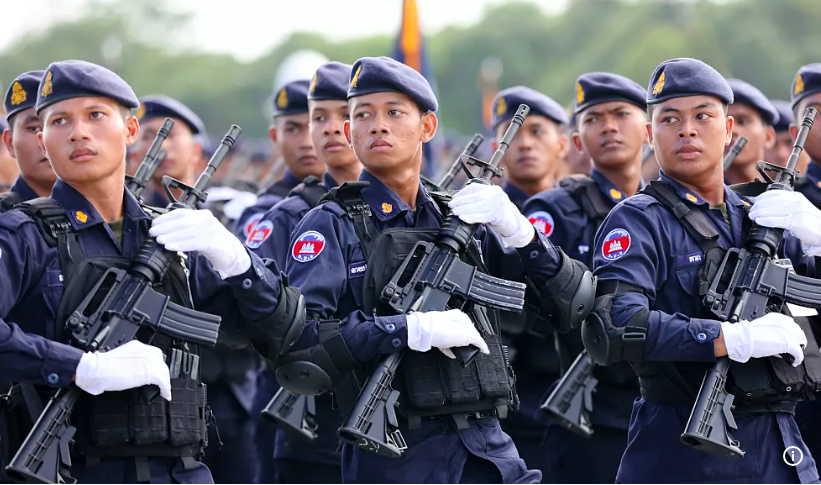
Cambodia will begin enforcing military conscription starting in 2026, Prime Minister Hun Manet announced on Monday, citing a need to bolster the country’s defense capabilities amid rising tensions along the Thai border. Though Cambodia passed its conscription law back in 2006, this marks the first time the legislation will be implemented.
The decision arrives in the wake of a deadly border confrontation between Cambodia and Thailand on May 28, which left one Cambodian soldier dead. The skirmish occurred in one of several disputed patches of land between the two Southeast Asian nations—areas that have long simmered with geopolitical tension.
Conscription Revived After Nearly Two Decades
In a speech delivered to military personnel in Kampong Chhnang province, Hun Manet—wearing his full military uniform with a four-star general’s insignia—emphasized the importance of conscription in maintaining national security.
“This is our commitment,” he said, referring to the 2006 conscription law. “We are now at a time when the security landscape demands greater readiness and strength. A conscripted force is not only more comprehensive but also professional and committed.”
Under the law, Cambodian citizens aged 18 to 30 are required to serve in the military, though service for women remains voluntary. The move is designed to address manpower shortages and reinforce national defense in the face of uncertain regional dynamics.
A Response to Border Tensions with Thailand
The timing of the announcement is significant. Since the armed clash in late May, Cambodia and Thailand have attempted to de-escalate the situation diplomatically but have continued to engage in tit-for-tat rhetoric and measures. Several border crossings were closed by Thailand in June, sparking calls from Cambodia for their immediate reopening.
Hun Manet repeated those calls this week, stating, “If Thailand reopens the closed crossings without conditions, Cambodia will reciprocate within hours.” His remarks underscore the fragile nature of the current ceasefire and the deepening mistrust between the two governments.
Political Fallout in Thailand
The border conflict has also shaken Thailand’s domestic politics. Thai Prime Minister Paetongtarn Shinawatra was suspended from office in early July following a controversy involving a private phone call with Cambodia’s former Prime Minister Hun Sen, Hun Manet’s father. In a leaked recording of the conversation, Paetongtarn allegedly made disparaging comments about Thailand’s military, which critics say compromised national dignity and inflamed tensions further.
Hun Sen, who ruled Cambodia for nearly four decades before stepping down in 2023, remains a powerful political force and has a history of leveraging diplomatic incidents to Cambodia’s strategic advantage. The release of the call is widely seen as a calculated move to strengthen Cambodia’s position in the ongoing dispute.
Military Capability and Regional Balance
According to the CIA’s World Factbook, Cambodia’s armed forces number approximately 200,000 personnel, which includes a substantial contingent of military police. By comparison, Thailand maintains a 350,000-strong active-duty military force. While Cambodia’s numbers are significant, questions have been raised about the country’s military readiness, equipment, and budget.
Hun Manet has called for an increase in defense spending, stating that Cambodia must prioritize its military if it hopes to safeguard sovereignty. The government’s 2025 national budget totals $9.32 billion, with $739 million earmarked for defense, the single largest allocation. This indicates a clear strategic pivot toward strengthening military infrastructure and operational capacity.
“Cambodia can no longer rely on the assumption of peace,” Hun Manet stated. “We must prepare not because we want war, but because we must defend peace.”
A Shift in Military Strategy
Until now, Cambodia’s military has been largely volunteer-based, relying on existing personnel and limited new recruitment. The introduction of conscription represents a shift toward a more formal and institutionalized defense strategy, in line with practices already implemented in neighboring Thailand. In Thailand, men reaching the age of 20 are subject to conscription via a lottery system, a practice that Cambodia now appears to be mirroring—albeit without the lottery element for men.
Hun Manet emphasized that conscription would also serve a nation-building role, helping instill discipline, patriotism, and skills among Cambodian youth.
The Road Ahead
While both Cambodia and Thailand have publicly pledged to avoid further military clashes, the reality on the ground remains volatile. Closed border crossings, nationalistic rhetoric, and mutual suspicion continue to cast a shadow over bilateral relations. With Cambodia set to activate conscription and boost defense spending, the regional arms balance may begin to shift.
Observers in Southeast Asia and beyond will be watching closely. Whether this is a step toward deterrence and stability, or a move that risks further military entrenchment, remains to be seen.
Conclusion
Cambodia’s decision to implement military conscription in 2026 marks a pivotal shift in its national defence policy, driven by escalating tensions with neighbouring Thailand. While the conscription law has existed since 2006, its activation now signals Phnom Penh’s intent to modernise and strengthen its armed forces amid rising regional instability. With both nations trading diplomatic jabs and facing internal political turmoil, the risk of further confrontation remains. As Cambodia ramps up its military readiness, the move could either serve as a stabilising deterrent or deepen an already fragile situation along the border. The coming months will be crucial in determining whether diplomacy or defence will take centre stage in shaping the region’s future.
Meta Description:
Cambodia will begin military conscription in 2026 amid ongoing border tensions with Thailand. PM Hun Manet cites security needs as both countries grapple with rising conflict risks.
Cambodia to Implement Military Conscription in 2026 Amid Rising Border Tensions with Thailand
Cambodia will begin enforcing military conscription starting in 2026, Prime Minister Hun Manet announced on Monday, citing a need to bolster the country’s defense capabilities amid rising tensions along the Thai border. Though Cambodia passed its conscription law back in 2006, this marks the first time the legislation will be implemented.
The decision arrives in the wake of a deadly border confrontation between Cambodia and Thailand on May 28, which left one Cambodian soldier dead. The skirmish occurred in one of several disputed patches of land between the two Southeast Asian nations—areas that have long simmered with geopolitical tension.
Register for Tekedia Mini-MBA edition 20 (June 8 – Sept 5, 2026).
Register for Tekedia AI in Business Masterclass.
Join Tekedia Capital Syndicate and co-invest in great global startups.
Register for Tekedia AI Lab.
Conscription Revived After Nearly Two Decades
In a speech delivered to military personnel in Kampong Chhnang province, Hun Manet—wearing his full military uniform with a four-star general’s insignia—emphasized the importance of conscription in maintaining national security.
“This is our commitment,” he said, referring to the 2006 conscription law. “We are now at a time when the security landscape demands greater readiness and strength. A conscripted force is not only more comprehensive but also professional and committed.”

Under the law, Cambodian citizens aged 18 to 30 are required to serve in the military, though service for women remains voluntary. The move is designed to address manpower shortages and reinforce national defense in the face of uncertain regional dynamics.
A Response to Border Tensions with Thailand
The timing of the announcement is significant. Since the armed clash in late May, Cambodia and Thailand have attempted to de-escalate the situation diplomatically but have continued to engage in tit-for-tat rhetoric and measures. Several border crossings were closed by Thailand in June, sparking calls from Cambodia for their immediate reopening.

Hun Manet repeated those calls this week, stating, “If Thailand reopens the closed crossings without conditions, Cambodia will reciprocate within hours.” His remarks underscore the fragile nature of the current ceasefire and the deepening mistrust between the two governments.
Political Fallout in Thailand
The border conflict has also shaken Thailand’s domestic politics. Thai Prime Minister Paetongtarn Shinawatra was suspended from office in early July following a controversy involving a private phone call with Cambodia’s former Prime Minister Hun Sen, Hun Manet’s father. In a leaked recording of the conversation, Paetongtarn allegedly made disparaging comments about Thailand’s military, which critics say compromised national dignity and inflamed tensions further.
Hun Sen, who ruled Cambodia for nearly four decades before stepping down in 2023, remains a powerful political force and has a history of leveraging diplomatic incidents to Cambodia’s strategic advantage. The release of the call is widely seen as a calculated move to strengthen Cambodia’s position in the ongoing dispute.
Military Capability and Regional Balance
According to the CIA’s World Factbook, Cambodia’s armed forces number approximately 200,000 personnel, which includes a substantial contingent of military police. By comparison, Thailand maintains a 350,000-strong active-duty military force. While Cambodia’s numbers are significant, questions have been raised about the country’s military readiness, equipment, and budget.
Hun Manet has called for an increase in defense spending, stating that Cambodia must prioritize its military if it hopes to safeguard sovereignty. The government’s 2025 national budget totals $9.32 billion, with $739 million earmarked for defense, the single largest allocation. This indicates a clear strategic pivot toward strengthening military infrastructure and operational capacity.
“Cambodia can no longer rely on the assumption of peace,” Hun Manet stated. “We must prepare not because we want war, but because we must defend peace.”
A Shift in Military Strategy
Until now, Cambodia’s military has been largely volunteer-based, relying on existing personnel and limited new recruitment. The introduction of conscription represents a shift toward a more formal and institutionalized defense strategy, in line with practices already implemented in neighboring Thailand. In Thailand, men reaching the age of 20 are subject to conscription via a lottery system, a practice that Cambodia now appears to be mirroring—albeit without the lottery element for men.
Hun Manet emphasized that conscription would also serve a nation-building role, helping instill discipline, patriotism, and skills among Cambodian youth.
The Road Ahead
While both Cambodia and Thailand have publicly pledged to avoid further military clashes, the reality on the ground remains volatile. Closed border crossings, nationalistic rhetoric, and mutual suspicion continue to cast a shadow over bilateral relations. With Cambodia set to activate conscription and boost defense spending, the regional arms balance may begin to shift.
Observers in Southeast Asia and beyond will be watching closely. Whether this is a step toward deterrence and stability, or a move that risks further military entrenchment, remains to be seen.
Conclusion
Cambodia’s decision to implement military conscription in 2026 marks a pivotal shift in its national defence policy, driven by escalating tensions with neighbouring Thailand. While the conscription law has existed since 2006, its activation now signals Phnom Penh’s intent to modernise and strengthen its armed forces amid rising regional instability. With both nations trading diplomatic jabs and facing internal political turmoil, the risk of further confrontation remains. As Cambodia ramps up its military readiness, the move could either serve as a stabilising deterrent or deepen an already fragile situation along the border. The coming months will be crucial in determining whether diplomacy or defence will take centre stage in shaping the region’s future.
Meta Description:
Cambodia will begin military conscription in 2026 amid ongoing border tensions with Thailand. PM Hun Manet cites security needs as both countries grapple with rising conflict risks.
Share this:
- Click to share on Facebook (Opens in new window) Facebook
- Click to share on X (Opens in new window) X
- Click to share on WhatsApp (Opens in new window) WhatsApp
- Click to share on LinkedIn (Opens in new window) LinkedIn
- Click to email a link to a friend (Opens in new window) Email
- Click to print (Opens in new window) Print