

Can You Really Catch Diseases from Toilet Seats? Experts Explain the Risks

Quote from Alex Bobby on August 19, 2025, 3:04 AM
Can You Catch Diseases from Toilet Seats?
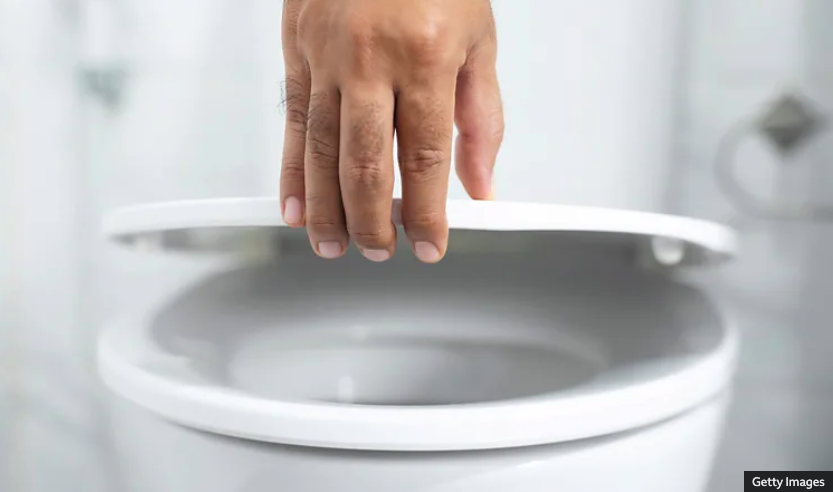
As you sink down onto a toilet seat that may have been used by dozens—or even hundreds—of people that day, a thought often crosses the mind: how long do pathogens survive in bathrooms? Public toilets in particular can trigger a powerful sense of unease. The sight of urine splattered on the seat or floor, the sharp smell of disinfectant barely masking other odors, and the lingering idea of someone else’s germs can make the experience less than pleasant. Many people develop elaborate avoidance rituals: pushing doors open with elbows, flushing with a shoe, draping toilet paper across the seat, or executing a precarious “hover squat” to minimize contact.
But here’s the real question: is this fear justified? Can you actually catch diseases simply from sitting on a toilet seat? Or are our germ-avoidance strategies mostly unnecessary? Let’s dive into what microbiologists and public health experts say.
What You (Probably) Won’t Catch
“Theoretically, yes [you can catch diseases from a toilet seat], but the risk is vanishingly low,” explains Jill Roberts, professor of public health and microbiology at the University of South Florida.
Take sexually transmitted diseases (STDs), for example. These infections—such as gonorrhea, chlamydia, and syphilis—depend heavily on direct transmission between people. Most bacteria and viruses that cause them cannot survive long once outside the body. They’re adapted to warm, moist environments, not cold, hard plastic. By the time an infected person leaves a public restroom stall, the chances of viable pathogens remaining on the seat are slim to none.
For a transmission to occur, Roberts says, it would require an extremely specific and unlikely chain of events: someone’s fresh bodily fluids would need to be left on the seat, and another person would need to immediately transfer those fluids directly to their genitals—via hand, skin contact, or contaminated toilet paper. “If toilet seats could [easily] transfer STDs, we would see them frequently across all age groups and in people with no history of sexual activity,” Roberts points out. The absence of such cases speaks volumes.
Bloodborne diseases like HIV or hepatitis B are similarly unlikely to be spread via toilet seats. First, it would be obvious if blood were present, and most people would avoid sitting down. Second, the transmission of these pathogens typically requires either sexual contact or the use of contaminated needles. They do not survive well in the environment, and they cannot easily penetrate intact skin.
Urinary tract infections (UTIs) are another concern people sometimes raise. But here, too, the risk is low. “You’d only get a UTI if you transmitted fecal matter from the toilet seat to the urinary tract,” Roberts says. Even then, a substantial amount of feces would be required. It’s much more common to develop a UTI from one’s own hygiene habits—for instance, wiping in the wrong direction after using the toilet—than from coming into contact with a public seat.
So What Can Linger on Toilet Seats?
While the risk of catching STDs, UTIs, or bloodborne infections is negligible, public bathrooms are not completely risk-free. Studies show that toilets—especially when flushed without lids—can create a fine spray of droplets called “toilet plume,” which may carry microbes. This spray can settle on nearby surfaces, including toilet seats, handles, and sinks.
Some pathogens that are spread via the fecal-oral route—like E. coli, norovirus, and salmonella—can survive longer in bathroom environments. For example, norovirus, the infamous cause of cruise ship outbreaks, is known to be incredibly hardy and can persist on hard surfaces for days or even weeks. If you were to touch a contaminated toilet seat and then touch your mouth, you could, in theory, infect yourself.
But again, the key factor is not sitting itself—it’s what happens afterward. The vast majority of infections from public restrooms are the result of contaminated hands, not contaminated skin. Touching a toilet seat, flush handle, or door latch, and then eating without washing your hands, is a much more realistic path to illness than the act of sitting down.
The Real Enemy: Poor Hand Hygiene
If there’s one message health experts emphasize, it’s that handwashing matters far more than avoiding the seat. A study by the American Society for Microbiology found that while 95% of people say they wash their hands after using the restroom, only 67% actually do it—and fewer still do it correctly, scrubbing for the recommended 20 seconds.
This gap explains why some illnesses, particularly gastrointestinal ones, continue to spread despite our elaborate rituals of toilet avoidance. The truth is that avoiding touching the door with your hands or layering toilet paper on the seat does little if you leave the restroom and head straight for lunch without washing up properly.
Should You Bother with Toilet Seat Covers?
Many public restrooms provide paper seat covers, often labeled as “sanitary.” But microbiologists generally agree that they provide more psychological comfort than real protection. Toilet seat surfaces are not a common vector for transmission, and a thin layer of paper does little to alter that.
That said, if a seat is visibly soiled—splattered with urine or feces—it’s best to avoid sitting down. In those cases, wiping it clean, using a cover, or choosing another stall makes sense. But in a normal scenario, the risk is so low that your time is better spent washing your hands thoroughly than worrying about the seat.
Bottom Line: Low Risk, High Anxiety
So, can you catch diseases from toilet seats? Technically, yes—but only under extremely rare and unlikely circumstances. The pathogens that cause STDs, UTIs, and bloodborne infections do not survive long outside the body and are not easily transmitted via casual skin contact with a seat.
The real health risks in bathrooms come from surfaces contaminated with fecal bacteria or viruses like norovirus, and the main way they spread is through unwashed hands. That’s why public health experts consistently stress hand hygiene over seat-avoidance strategies.
The next time you enter a public restroom and feel that wave of disgust, remember this: the toilet seat itself is probably not your biggest worry. Instead, focus on washing your hands properly—scrubbing with soap and water for at least 20 seconds. It’s the simplest and most effective way to protect yourself from the germs that truly matter.
Final Thought: Sitting on a toilet seat may feel gross, but it’s far less risky than skipping handwashing afterward. If you want to walk out of a public restroom healthier than you walked in, the sink and the soap are your best allies.
Conclusion
While public toilets can feel like hotbeds of germs, the reality is far less frightening. The chances of catching serious diseases like STDs, UTIs, or bloodborne infections from a toilet seat are extraordinarily low—almost nonexistent. Most pathogens that cause such illnesses cannot survive long on cold, hard surfaces, and transmission would require highly unlikely circumstances.
The real health risks lie in contaminated hands, not the seat itself. Bacteria and viruses that spread via the fecal-oral route can survive on surfaces, but proper handwashing is the key to breaking that chain. So instead of stressing over elaborate toilet-seat rituals, the smartest move is simple: wash your hands thoroughly.
In short, toilet seats may look unappealing, but they’re not the disease threat many people imagine. The bigger danger? Walking out without using soap and water.
Can You Catch Diseases from Toilet Seats?
As you sink down onto a toilet seat that may have been used by dozens—or even hundreds—of people that day, a thought often crosses the mind: how long do pathogens survive in bathrooms? Public toilets in particular can trigger a powerful sense of unease. The sight of urine splattered on the seat or floor, the sharp smell of disinfectant barely masking other odors, and the lingering idea of someone else’s germs can make the experience less than pleasant. Many people develop elaborate avoidance rituals: pushing doors open with elbows, flushing with a shoe, draping toilet paper across the seat, or executing a precarious “hover squat” to minimize contact.
But here’s the real question: is this fear justified? Can you actually catch diseases simply from sitting on a toilet seat? Or are our germ-avoidance strategies mostly unnecessary? Let’s dive into what microbiologists and public health experts say.
Register for Tekedia Mini-MBA edition 20 (June 8 – Sept 5, 2026).
Register for Tekedia AI in Business Masterclass.
Join Tekedia Capital Syndicate and co-invest in great global startups.
Register for Tekedia AI Lab.
What You (Probably) Won’t Catch
“Theoretically, yes [you can catch diseases from a toilet seat], but the risk is vanishingly low,” explains Jill Roberts, professor of public health and microbiology at the University of South Florida.
Take sexually transmitted diseases (STDs), for example. These infections—such as gonorrhea, chlamydia, and syphilis—depend heavily on direct transmission between people. Most bacteria and viruses that cause them cannot survive long once outside the body. They’re adapted to warm, moist environments, not cold, hard plastic. By the time an infected person leaves a public restroom stall, the chances of viable pathogens remaining on the seat are slim to none.

For a transmission to occur, Roberts says, it would require an extremely specific and unlikely chain of events: someone’s fresh bodily fluids would need to be left on the seat, and another person would need to immediately transfer those fluids directly to their genitals—via hand, skin contact, or contaminated toilet paper. “If toilet seats could [easily] transfer STDs, we would see them frequently across all age groups and in people with no history of sexual activity,” Roberts points out. The absence of such cases speaks volumes.
Bloodborne diseases like HIV or hepatitis B are similarly unlikely to be spread via toilet seats. First, it would be obvious if blood were present, and most people would avoid sitting down. Second, the transmission of these pathogens typically requires either sexual contact or the use of contaminated needles. They do not survive well in the environment, and they cannot easily penetrate intact skin.
Urinary tract infections (UTIs) are another concern people sometimes raise. But here, too, the risk is low. “You’d only get a UTI if you transmitted fecal matter from the toilet seat to the urinary tract,” Roberts says. Even then, a substantial amount of feces would be required. It’s much more common to develop a UTI from one’s own hygiene habits—for instance, wiping in the wrong direction after using the toilet—than from coming into contact with a public seat.

So What Can Linger on Toilet Seats?
While the risk of catching STDs, UTIs, or bloodborne infections is negligible, public bathrooms are not completely risk-free. Studies show that toilets—especially when flushed without lids—can create a fine spray of droplets called “toilet plume,” which may carry microbes. This spray can settle on nearby surfaces, including toilet seats, handles, and sinks.
Some pathogens that are spread via the fecal-oral route—like E. coli, norovirus, and salmonella—can survive longer in bathroom environments. For example, norovirus, the infamous cause of cruise ship outbreaks, is known to be incredibly hardy and can persist on hard surfaces for days or even weeks. If you were to touch a contaminated toilet seat and then touch your mouth, you could, in theory, infect yourself.
But again, the key factor is not sitting itself—it’s what happens afterward. The vast majority of infections from public restrooms are the result of contaminated hands, not contaminated skin. Touching a toilet seat, flush handle, or door latch, and then eating without washing your hands, is a much more realistic path to illness than the act of sitting down.
The Real Enemy: Poor Hand Hygiene
If there’s one message health experts emphasize, it’s that handwashing matters far more than avoiding the seat. A study by the American Society for Microbiology found that while 95% of people say they wash their hands after using the restroom, only 67% actually do it—and fewer still do it correctly, scrubbing for the recommended 20 seconds.
This gap explains why some illnesses, particularly gastrointestinal ones, continue to spread despite our elaborate rituals of toilet avoidance. The truth is that avoiding touching the door with your hands or layering toilet paper on the seat does little if you leave the restroom and head straight for lunch without washing up properly.
Should You Bother with Toilet Seat Covers?
Many public restrooms provide paper seat covers, often labeled as “sanitary.” But microbiologists generally agree that they provide more psychological comfort than real protection. Toilet seat surfaces are not a common vector for transmission, and a thin layer of paper does little to alter that.
That said, if a seat is visibly soiled—splattered with urine or feces—it’s best to avoid sitting down. In those cases, wiping it clean, using a cover, or choosing another stall makes sense. But in a normal scenario, the risk is so low that your time is better spent washing your hands thoroughly than worrying about the seat.
Bottom Line: Low Risk, High Anxiety
So, can you catch diseases from toilet seats? Technically, yes—but only under extremely rare and unlikely circumstances. The pathogens that cause STDs, UTIs, and bloodborne infections do not survive long outside the body and are not easily transmitted via casual skin contact with a seat.
The real health risks in bathrooms come from surfaces contaminated with fecal bacteria or viruses like norovirus, and the main way they spread is through unwashed hands. That’s why public health experts consistently stress hand hygiene over seat-avoidance strategies.
The next time you enter a public restroom and feel that wave of disgust, remember this: the toilet seat itself is probably not your biggest worry. Instead, focus on washing your hands properly—scrubbing with soap and water for at least 20 seconds. It’s the simplest and most effective way to protect yourself from the germs that truly matter.
Final Thought: Sitting on a toilet seat may feel gross, but it’s far less risky than skipping handwashing afterward. If you want to walk out of a public restroom healthier than you walked in, the sink and the soap are your best allies.
Conclusion
While public toilets can feel like hotbeds of germs, the reality is far less frightening. The chances of catching serious diseases like STDs, UTIs, or bloodborne infections from a toilet seat are extraordinarily low—almost nonexistent. Most pathogens that cause such illnesses cannot survive long on cold, hard surfaces, and transmission would require highly unlikely circumstances.
The real health risks lie in contaminated hands, not the seat itself. Bacteria and viruses that spread via the fecal-oral route can survive on surfaces, but proper handwashing is the key to breaking that chain. So instead of stressing over elaborate toilet-seat rituals, the smartest move is simple: wash your hands thoroughly.
In short, toilet seats may look unappealing, but they’re not the disease threat many people imagine. The bigger danger? Walking out without using soap and water.
Uploaded files:Share this:
- Click to share on Facebook (Opens in new window) Facebook
- Click to share on X (Opens in new window) X
- Click to share on WhatsApp (Opens in new window) WhatsApp
- Click to share on LinkedIn (Opens in new window) LinkedIn
- Click to email a link to a friend (Opens in new window) Email
- Click to print (Opens in new window) Print