

Clintons Subpoenaed in Congressional Epstein Investigation: Oversight Committee Escalates Probe

Quote from Alex Bobby on August 6, 2025, 3:33 AM
Clintons Subpoenaed in Congressional Epstein Investigation: Oversight Committee Escalates Probe
In a dramatic turn in the long-running investigation into deceased sex offender Jeffrey Epstein, former U.S. President Bill Clinton and former Secretary of State Hillary Clinton have been subpoenaed by the House Oversight Committee. The move, announced Tuesday by Republican Committee Chairman James Comer, signals a renewed push to uncover more details about Epstein’s network and the extent of his connections to prominent public figures.
The subpoenas issued to the Clintons are part of a broader sweep that includes high-ranking officials across three presidential administrations—Obama, Trump, and Biden. The committee is demanding testimony from at least eight other individuals, including former U.S. Attorneys General Jeff Sessions, William Barr, and Merrick Garland, as well as former FBI Directors James Comey and Robert Mueller.
Political Fault Lines Deepen
The decision to subpoena such politically sensitive figures has deepened the divide in Washington, with supporters of the probe arguing it is long overdue and critics calling it a partisan spectacle. Comer defended the action, saying the American people deserve answers about Epstein’s ties to the political elite and the decisions made by federal authorities to withhold certain documents related to the case.
Notably, Comer’s move comes amid longstanding public frustration over the lack of transparency around Epstein’s activities and the identities of his alleged associates. Despite repeated promises over the years, much of the case remains shrouded in secrecy, further fuelling conspiracy theories and partisan narratives.
The latest action stems in part from a decision by the Trump administration to withhold more federal files related to Epstein. While the Trump Justice Department pursued charges against Epstein in 2019, it chose not to make public certain sealed records—choices that have continued to frustrate lawmakers and the public alike.
Epstein’s Mysterious Death and Lingering Questions
Jeffrey Epstein was arrested in July 2019 on charges of sex trafficking of minors, a development that reignited scrutiny over his connections to the world’s wealthy and powerful. Epstein had previously avoided federal prosecution in 2008 through a controversial plea deal in Florida that allowed him to serve just 13 months in a work-release program despite facing serious allegations.
In August 2019, Epstein died by suicide in a Manhattan jail cell while awaiting trial—a conclusion that federal authorities and the medical examiner’s office have supported, but one that many remain skeptical of due to numerous lapses in jail protocol. The failure of the surveillance cameras in Epstein’s cell and the absence of regular guard checks on the night of his death have only intensified suspicions.
Earlier this summer, current Attorney General Pam Bondi reviewed the Justice Department’s remaining Epstein files and concluded there was no evidence of the often-rumoured “client list.” Bondi reiterated that all indications supported Epstein’s death as a suicide and announced that no additional files would be released. That announcement sparked anger among both right-leaning and left-leaning Americans who believe the government has not been fully forthcoming.
A Rare Republican Rift Over Trump-Era Actions
What’s particularly notable in this round of subpoenas is the inclusion of several Trump-era officials. Jeff Sessions and William Barr, who served as Attorney General under President Trump, are being called to testify, as is Robert Mueller, who led the Special Counsel investigation into Russian election interference. The inclusion of these figures highlights a growing rift within the Republican Party, as some lawmakers appear willing to challenge Trump-era secrecy on the matter.
In fact, the Epstein investigation is one of the few issues where some Republican lawmakers have publicly broken with Trump. A number of GOP representatives have voiced concern that Trump's administration, despite initiating the 2019 charges against Epstein, did not do enough to ensure full transparency.
Comer’s committee has also subpoenaed the Department of Justice itself for all Epstein-related communications, suggesting that investigators may be looking for evidence of institutional protection or suppression of information.
Will the Clintons Testify?
The subpoenas do not guarantee public testimony. It remains unclear whether the Clintons—or any of the other subpoenaed individuals—will appear before the committee, and whether such hearings would be held in open session or behind closed doors. Historically, former presidents and high-ranking officials often invoke executive privilege or legal challenges to avoid such appearances, particularly if they are seen as politically motivated.
Bill Clinton has long denied any wrongdoing in connection to Epstein. He has acknowledged flying on Epstein’s private jet multiple times for Clinton Foundation-related work but has denied ever visiting Epstein’s private island or being aware of his criminal behaviour. Hillary Clinton has made fewer public comments about Epstein, and her inclusion in the subpoenas appears to be based on proximity to political power rather than any confirmed personal involvement.
A Battle Over Truth and Transparency
Ultimately, the latest congressional move revives the political and public demand for accountability in a case that continues to haunt the American justice system. The bipartisan concern over Epstein’s connections suggests that this investigation may yield more surprises in the months ahead, even as partisan tensions simmer over its motivations and scope.
For many Americans, the lingering questions remain: Who were Epstein’s clients? Why were so many records sealed or withheld? And most importantly—will the full truth ever come to light?
As the House Oversight Committee presses forward, all eyes will be on whether those subpoenaed comply—and whether the Epstein case finally receives the transparency so many have long demanded.
Conclusion
The congressional subpoenas issued to Bill and Hillary Clinton—alongside other high-profile political and law enforcement figures—mark a pivotal escalation in the long-running quest for answers about Jeffrey Epstein’s crimes and connections. While it remains uncertain whether any of these individuals will ultimately testify, the move reflects growing bipartisan frustration over years of secrecy and unanswered questions. As the House Oversight Committee intensifies its probe, the American public may finally inch closer to understanding the full extent of Epstein’s network—and the potential failures within the justice system that allowed it too flourish. Whether this investigation delivers long-awaited transparency or further deepens political divides will depend not just on what is uncovered, but on who is willing to speak.
Meta description
Former President Bill Clinton and Hillary Clinton have been subpoenaed in a renewed congressional investigation into Jeffrey Epstein’s connections, as lawmakers push for long-overdue transparency.
Clintons Subpoenaed in Congressional Epstein Investigation: Oversight Committee Escalates Probe
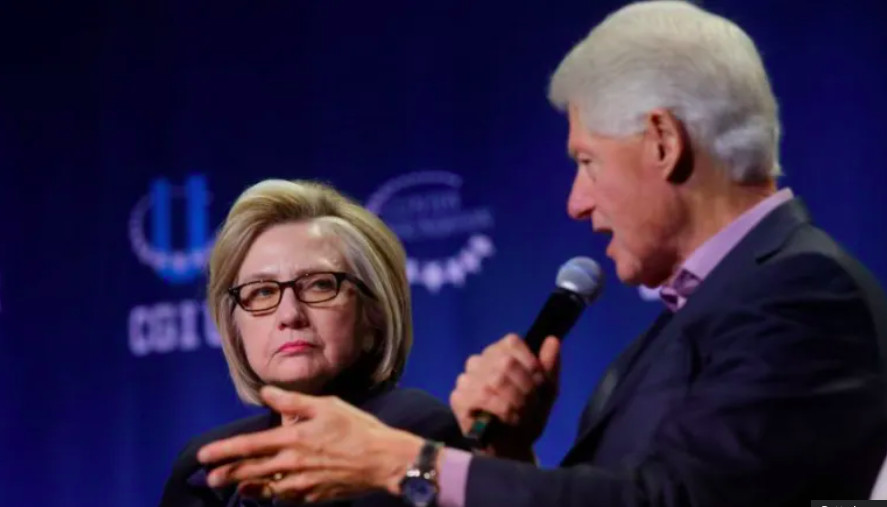
In a dramatic turn in the long-running investigation into deceased sex offender Jeffrey Epstein, former U.S. President Bill Clinton and former Secretary of State Hillary Clinton have been subpoenaed by the House Oversight Committee. The move, announced Tuesday by Republican Committee Chairman James Comer, signals a renewed push to uncover more details about Epstein’s network and the extent of his connections to prominent public figures.
The subpoenas issued to the Clintons are part of a broader sweep that includes high-ranking officials across three presidential administrations—Obama, Trump, and Biden. The committee is demanding testimony from at least eight other individuals, including former U.S. Attorneys General Jeff Sessions, William Barr, and Merrick Garland, as well as former FBI Directors James Comey and Robert Mueller.
Register for the next Tekedia Mini-MBA.
Register for Tekedia AI in Business Masterclass.
Join Tekedia Capital Syndicate and co-invest in great global startups.
Political Fault Lines Deepen
The decision to subpoena such politically sensitive figures has deepened the divide in Washington, with supporters of the probe arguing it is long overdue and critics calling it a partisan spectacle. Comer defended the action, saying the American people deserve answers about Epstein’s ties to the political elite and the decisions made by federal authorities to withhold certain documents related to the case.
Notably, Comer’s move comes amid longstanding public frustration over the lack of transparency around Epstein’s activities and the identities of his alleged associates. Despite repeated promises over the years, much of the case remains shrouded in secrecy, further fuelling conspiracy theories and partisan narratives.

The latest action stems in part from a decision by the Trump administration to withhold more federal files related to Epstein. While the Trump Justice Department pursued charges against Epstein in 2019, it chose not to make public certain sealed records—choices that have continued to frustrate lawmakers and the public alike.
Epstein’s Mysterious Death and Lingering Questions
Jeffrey Epstein was arrested in July 2019 on charges of sex trafficking of minors, a development that reignited scrutiny over his connections to the world’s wealthy and powerful. Epstein had previously avoided federal prosecution in 2008 through a controversial plea deal in Florida that allowed him to serve just 13 months in a work-release program despite facing serious allegations.

In August 2019, Epstein died by suicide in a Manhattan jail cell while awaiting trial—a conclusion that federal authorities and the medical examiner’s office have supported, but one that many remain skeptical of due to numerous lapses in jail protocol. The failure of the surveillance cameras in Epstein’s cell and the absence of regular guard checks on the night of his death have only intensified suspicions.
Earlier this summer, current Attorney General Pam Bondi reviewed the Justice Department’s remaining Epstein files and concluded there was no evidence of the often-rumoured “client list.” Bondi reiterated that all indications supported Epstein’s death as a suicide and announced that no additional files would be released. That announcement sparked anger among both right-leaning and left-leaning Americans who believe the government has not been fully forthcoming.
A Rare Republican Rift Over Trump-Era Actions
What’s particularly notable in this round of subpoenas is the inclusion of several Trump-era officials. Jeff Sessions and William Barr, who served as Attorney General under President Trump, are being called to testify, as is Robert Mueller, who led the Special Counsel investigation into Russian election interference. The inclusion of these figures highlights a growing rift within the Republican Party, as some lawmakers appear willing to challenge Trump-era secrecy on the matter.
In fact, the Epstein investigation is one of the few issues where some Republican lawmakers have publicly broken with Trump. A number of GOP representatives have voiced concern that Trump's administration, despite initiating the 2019 charges against Epstein, did not do enough to ensure full transparency.
Comer’s committee has also subpoenaed the Department of Justice itself for all Epstein-related communications, suggesting that investigators may be looking for evidence of institutional protection or suppression of information.
Will the Clintons Testify?
The subpoenas do not guarantee public testimony. It remains unclear whether the Clintons—or any of the other subpoenaed individuals—will appear before the committee, and whether such hearings would be held in open session or behind closed doors. Historically, former presidents and high-ranking officials often invoke executive privilege or legal challenges to avoid such appearances, particularly if they are seen as politically motivated.
Bill Clinton has long denied any wrongdoing in connection to Epstein. He has acknowledged flying on Epstein’s private jet multiple times for Clinton Foundation-related work but has denied ever visiting Epstein’s private island or being aware of his criminal behaviour. Hillary Clinton has made fewer public comments about Epstein, and her inclusion in the subpoenas appears to be based on proximity to political power rather than any confirmed personal involvement.
A Battle Over Truth and Transparency
Ultimately, the latest congressional move revives the political and public demand for accountability in a case that continues to haunt the American justice system. The bipartisan concern over Epstein’s connections suggests that this investigation may yield more surprises in the months ahead, even as partisan tensions simmer over its motivations and scope.
For many Americans, the lingering questions remain: Who were Epstein’s clients? Why were so many records sealed or withheld? And most importantly—will the full truth ever come to light?
As the House Oversight Committee presses forward, all eyes will be on whether those subpoenaed comply—and whether the Epstein case finally receives the transparency so many have long demanded.
Conclusion
The congressional subpoenas issued to Bill and Hillary Clinton—alongside other high-profile political and law enforcement figures—mark a pivotal escalation in the long-running quest for answers about Jeffrey Epstein’s crimes and connections. While it remains uncertain whether any of these individuals will ultimately testify, the move reflects growing bipartisan frustration over years of secrecy and unanswered questions. As the House Oversight Committee intensifies its probe, the American public may finally inch closer to understanding the full extent of Epstein’s network—and the potential failures within the justice system that allowed it too flourish. Whether this investigation delivers long-awaited transparency or further deepens political divides will depend not just on what is uncovered, but on who is willing to speak.
Meta description
Former President Bill Clinton and Hillary Clinton have been subpoenaed in a renewed congressional investigation into Jeffrey Epstein’s connections, as lawmakers push for long-overdue transparency.
Uploaded files: