

Italy Proposes Raising Cash Payment Limit to €10,000, Sparking Tax Evasion Debate

Quote from Alex Bobby on December 17, 2025, 8:48 AM
Italy is once again grappling with a familiar and divisive issue: how much cash should people be allowed to use. An amendment to the country’s upcoming 2026 Budget Law proposes doubling the ceiling for cash payments, lifting the limit from the current €5,000 to €10,000 for individuals and businesses. Supporters frame the move as a matter of consumer freedom and economic practicality, while critics warn it could undermine years of efforts to combat tax evasion, money laundering, and organised crime.
The amendment was tabled by the Brothers of Italy (Fratelli d’Italia) party, led by Prime Minister Giorgia Meloni, whose government holds a parliamentary majority. The proposal builds on a previous change introduced by Meloni herself shortly after taking office in 2022, when her government raised the cash payment limit from €2,000 to €5,000. At the time, that move already sparked intense debate. The new proposal, however, goes further, reopening old wounds in a country where the shadow economy has long been a structural challenge.
Italy has historically maintained relatively low limits on cash transactions compared to some other European countries, precisely because of concerns over tax evasion. Cash payments are harder to trace than electronic transactions, making them attractive for underreporting income, avoiding value-added tax (VAT), and laundering illicit funds. For decades, Italian governments of different political stripes have used cash limits as one of several tools to encourage transparency and promote digital payments.
Critics of the proposed increase argue that doubling the cap sends the wrong signal at a time when authorities should be strengthening, not loosening, controls. Opposition lawmakers, anti-corruption groups, and parts of the business community fear that higher cash limits could make it easier for undeclared work and under-the-table transactions to flourish. They also warn that organized crime networks, which already exploit cash-intensive sectors, could benefit from a more permissive framework.
These concerns are amplified by the scale of Italy’s tax gap. According to the Observatory on Italian Public Accounts at the Catholic University of Milan, tax evasion fell from €105.8 billion in 2018 to €92.6 billion in 2022, suggesting some progress in recent years. However, the numbers remain strikingly high. Government estimates for 2022 place tax and social security evasion between €98.1 billion and €102.5 billion, highlighting how measurement methods and assumptions can significantly affect the final figures. Either way, the consensus is that Italy continues to lose tens of billions of euros annually in unpaid taxes.
Against this backdrop, opponents of the amendment argue that relaxing cash rules risks reversing hard-won gains. They point to studies and international experience suggesting a correlation between higher cash usage and higher levels of tax evasion, especially in economies with large informal sectors. From this perspective, the proposal appears to clash with broader European trends that favor digital payments, traceability, and stricter anti-money-laundering measures.
The government and its supporters reject these criticisms. They insist that there is no proven causal link between higher cash limits and increased tax evasion, noting that the reduction in evasion between 2018 and 2022 occurred despite changes to cash payment thresholds over time. According to this view, other factors—such as improved tax enforcement, data sharing between agencies, and incentives for voluntary compliance—play a far more significant role than the level of the cash cap itself.
Supporters of the amendment also emphasize issues of personal freedom and economic inclusion. They argue that citizens should be free to choose how they pay, without excessive state interference. Small businesses, artisans, and elderly people are often cited as groups that still rely heavily on cash and may face costs or difficulties associated with electronic payment systems. From this standpoint, raising the limit to €10,000 is portrayed as a pragmatic adjustment rather than a retreat from transparency.
Prime Minister Meloni’s party has consistently framed its approach as one that trusts citizens rather than presuming wrongdoing. In parliamentary debates, Brothers of Italy lawmakers have argued that honest taxpayers should not be penalized because of the actions of evaders, and that criminal behavior should be tackled through targeted enforcement rather than blanket restrictions.
Yet even some economists sympathetic to greater consumer choice caution that perception matters. In a country where compliance with tax rules has long been uneven, symbolic signals can influence behavior. A higher cash limit, they warn, could be interpreted as a loosening of oversight, even if enforcement mechanisms remain unchanged. This risk, they argue, should be carefully weighed against the relatively modest benefits of allowing larger cash transactions.
The debate also has a political dimension. Cash limits have become a proxy for broader ideological differences over the role of the state, trust in citizens, and the balance between freedom and regulation. For Meloni’s government, the amendment fits neatly into a narrative of reducing bureaucracy and defending traditional economic practices. For the opposition, it represents a step backward that could undermine fiscal fairness and social solidarity.
As Italy’s 2026 Budget Law moves through parliament, the fate of the amendment remains uncertain. What is clear is that the discussion goes far beyond a technical adjustment. It touches on deep-seated questions about how Italy fights tax evasion, how it modernises its economy, and how much trust should exist between the state and its citizens. Whether the cash payment ceiling ultimately rises to €10,000 or not, the controversy underscores how difficult it remains to reconcile economic freedom with the need for transparency in one of Europe’s most complex fiscal landscapes.
Final Thought
Italy’s renewed debate over cash limits is about more than how people pay—it reflects deeper questions about trust in institutions, economic culture, and the state’s role in guiding behaviour. Whether the proposed €10,000 ceiling becomes law or not, the discussion underscores the challenge of modernising Italy’s economy while confronting a deeply rooted informal sector. The decision lawmakers make will send a powerful signal about the country’s fiscal priorities and its commitment to balancing freedom with responsibility
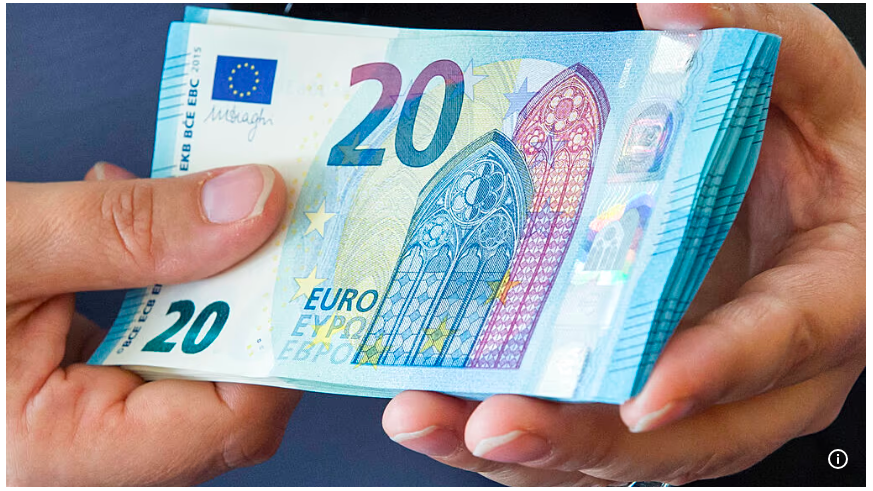
Italy is once again grappling with a familiar and divisive issue: how much cash should people be allowed to use. An amendment to the country’s upcoming 2026 Budget Law proposes doubling the ceiling for cash payments, lifting the limit from the current €5,000 to €10,000 for individuals and businesses. Supporters frame the move as a matter of consumer freedom and economic practicality, while critics warn it could undermine years of efforts to combat tax evasion, money laundering, and organised crime.
The amendment was tabled by the Brothers of Italy (Fratelli d’Italia) party, led by Prime Minister Giorgia Meloni, whose government holds a parliamentary majority. The proposal builds on a previous change introduced by Meloni herself shortly after taking office in 2022, when her government raised the cash payment limit from €2,000 to €5,000. At the time, that move already sparked intense debate. The new proposal, however, goes further, reopening old wounds in a country where the shadow economy has long been a structural challenge.
Italy has historically maintained relatively low limits on cash transactions compared to some other European countries, precisely because of concerns over tax evasion. Cash payments are harder to trace than electronic transactions, making them attractive for underreporting income, avoiding value-added tax (VAT), and laundering illicit funds. For decades, Italian governments of different political stripes have used cash limits as one of several tools to encourage transparency and promote digital payments.
Register for Tekedia Mini-MBA edition 20 (June 8 – Sept 5, 2026).
Register for Tekedia AI in Business Masterclass.
Join Tekedia Capital Syndicate and co-invest in great global startups.
Register for Tekedia AI Lab.
Critics of the proposed increase argue that doubling the cap sends the wrong signal at a time when authorities should be strengthening, not loosening, controls. Opposition lawmakers, anti-corruption groups, and parts of the business community fear that higher cash limits could make it easier for undeclared work and under-the-table transactions to flourish. They also warn that organized crime networks, which already exploit cash-intensive sectors, could benefit from a more permissive framework.
These concerns are amplified by the scale of Italy’s tax gap. According to the Observatory on Italian Public Accounts at the Catholic University of Milan, tax evasion fell from €105.8 billion in 2018 to €92.6 billion in 2022, suggesting some progress in recent years. However, the numbers remain strikingly high. Government estimates for 2022 place tax and social security evasion between €98.1 billion and €102.5 billion, highlighting how measurement methods and assumptions can significantly affect the final figures. Either way, the consensus is that Italy continues to lose tens of billions of euros annually in unpaid taxes.
Against this backdrop, opponents of the amendment argue that relaxing cash rules risks reversing hard-won gains. They point to studies and international experience suggesting a correlation between higher cash usage and higher levels of tax evasion, especially in economies with large informal sectors. From this perspective, the proposal appears to clash with broader European trends that favor digital payments, traceability, and stricter anti-money-laundering measures.

The government and its supporters reject these criticisms. They insist that there is no proven causal link between higher cash limits and increased tax evasion, noting that the reduction in evasion between 2018 and 2022 occurred despite changes to cash payment thresholds over time. According to this view, other factors—such as improved tax enforcement, data sharing between agencies, and incentives for voluntary compliance—play a far more significant role than the level of the cash cap itself.
Supporters of the amendment also emphasize issues of personal freedom and economic inclusion. They argue that citizens should be free to choose how they pay, without excessive state interference. Small businesses, artisans, and elderly people are often cited as groups that still rely heavily on cash and may face costs or difficulties associated with electronic payment systems. From this standpoint, raising the limit to €10,000 is portrayed as a pragmatic adjustment rather than a retreat from transparency.
Prime Minister Meloni’s party has consistently framed its approach as one that trusts citizens rather than presuming wrongdoing. In parliamentary debates, Brothers of Italy lawmakers have argued that honest taxpayers should not be penalized because of the actions of evaders, and that criminal behavior should be tackled through targeted enforcement rather than blanket restrictions.

Yet even some economists sympathetic to greater consumer choice caution that perception matters. In a country where compliance with tax rules has long been uneven, symbolic signals can influence behavior. A higher cash limit, they warn, could be interpreted as a loosening of oversight, even if enforcement mechanisms remain unchanged. This risk, they argue, should be carefully weighed against the relatively modest benefits of allowing larger cash transactions.
The debate also has a political dimension. Cash limits have become a proxy for broader ideological differences over the role of the state, trust in citizens, and the balance between freedom and regulation. For Meloni’s government, the amendment fits neatly into a narrative of reducing bureaucracy and defending traditional economic practices. For the opposition, it represents a step backward that could undermine fiscal fairness and social solidarity.
As Italy’s 2026 Budget Law moves through parliament, the fate of the amendment remains uncertain. What is clear is that the discussion goes far beyond a technical adjustment. It touches on deep-seated questions about how Italy fights tax evasion, how it modernises its economy, and how much trust should exist between the state and its citizens. Whether the cash payment ceiling ultimately rises to €10,000 or not, the controversy underscores how difficult it remains to reconcile economic freedom with the need for transparency in one of Europe’s most complex fiscal landscapes.
Final Thought
Italy’s renewed debate over cash limits is about more than how people pay—it reflects deeper questions about trust in institutions, economic culture, and the state’s role in guiding behaviour. Whether the proposed €10,000 ceiling becomes law or not, the discussion underscores the challenge of modernising Italy’s economy while confronting a deeply rooted informal sector. The decision lawmakers make will send a powerful signal about the country’s fiscal priorities and its commitment to balancing freedom with responsibility
Uploaded files:Share this:
- Click to share on Facebook (Opens in new window) Facebook
- Click to share on X (Opens in new window) X
- Click to share on WhatsApp (Opens in new window) WhatsApp
- Click to share on LinkedIn (Opens in new window) LinkedIn
- Click to email a link to a friend (Opens in new window) Email
- Click to print (Opens in new window) Print