

Court Rules Zambia Can Repatriate Edgar Lungu’s Body Despite Family’s Objections

Quote from Alex Bobby on August 9, 2025, 4:14 AM
Court Rules Former Zambian President Edgar Lungu Can Be Buried in Zambia Despite Family’s Wishes
A South African high court has ruled that the body of former Zambian President Edgar Lungu can be repatriated to Zambia for a state funeral, despite strong objections from his family—escalating an already emotional and politically sensitive dispute.
Lungu, who died in June at the age of 68 from an undisclosed illness, had been living in South Africa at the time of his death. His family wished to bury him privately there, away from the spotlight and the political tensions that followed his presidency. But Zambia’s government insisted that as a former head of state, his burial was a matter of national importance and should take place on Zambian soil with full state honour’s.
Court Delivers a Divisive Ruling
On Thursday, Judge Aubrey Ledwaba of the Pretoria High Court ruled in favour of the Zambian government, stating it was “entitled to repatriate the body of the late president” and ordering Lungu’s family to “immediately surrender” the remains to authorities.
The verdict was met with visible distress from Lungu’s relatives. His elder sister, Bertha Lungu, wept openly in the courtroom as the ruling was read out. Family members later vowed to challenge the decision, confirming their intention to “appeal against the whole judgment and order.” Until the appeal is heard, Lungu’s remains will remain in South Africa, where they are currently secured in a Pretoria morgue under private protection.
A Nation’s Claim vs. A Family’s Grief
The Zambian government has framed the dispute as one of national identity and respect for public office. Attorney General Mulilo D Kabesha, speaking outside the court, said the ruling was not a political victory but a matter of principle.
“When you are the father of the nation, you can’t restrict yourself to your immediate family,” Kabesha said. “We mourn with the family, but President Lungu belongs to the people of Zambia.”
The government maintains that state funerals for past presidents are a constitutional tradition, serving as both a mark of respect and an opportunity for the public to participate in national mourning.
Political Tensions Behind the Funeral Dispute
The conflict over Lungu’s final resting place is rooted in a long-standing rift between him and his successor, current President Hakainde Hichilema. Lungu led Zambia from 2015 until 2021, when he lost to Hichilema by a wide margin.
Though he initially stepped away from politics after his defeat, Lungu later re-entered the political scene—putting himself back into the orbit of Zambia’s often contentious political battles. His family says he made it clear he did not want Hichilema to attend his funeral, a sentiment they claim influenced their preference for a private burial outside of Zambia.
Relations between the family and the Zambian state initially appeared cooperative. Both sides had agreed Lungu would receive a state funeral in Zambia, but disagreements over the exact arrangements—including the level of government control—led the family to pull back from the agreement and opt for burial in South Africa instead.
Security Around the Remains
The battle over Lungu’s body has already spilled into tense logistical territory. According to BBC sources, private security services have been deployed to protect his remains after multiple unauthorised attempts were made to remove the body from the Pretoria morgue. The exact parties behind those attempts remain unclear, but they underscore the intensity and high stakes surrounding the case.
Until the appeal is resolved, the body will remain under guard—symbolising not just a family’s effort to maintain control, but a government’s determination to fulfil what it sees as its duty.
A Sensitive Precedent
This case sets a complicated precedent for how nations handle the burial of former leaders, especially when family wishes and state protocols collide. While many countries automatically grant state funerals to former heads of state, the level of family involvement varies widely.
Kabesha called the decision a “learning curve” for anyone aspiring to the presidency, implying that public life—and public death—come with obligations that extend beyond personal or family desires. “It’s not a win for the government,” he emphasised. “It’s what makes good sense.”
Remembering Lungu’s Legacy
Edgar Lungu’s political career was marked by both achievement and controversy. Rising from lawyer to defence minister, he became president in 2015 following the death of Michael Sata. He won re-election in 2016 but was defeated in 2021 amid growing public frustration over economic challenges and accusations of corruption.
Supporters remember him as a steady hand during periods of instability, while critics argue that his tenure saw democratic backsliding. Regardless of political opinion, his years in office left a lasting mark on Zambia’s modern history—something his supporters believe justifies the government’s insistence on a state funeral.
The Road Ahead
The family’s appeal could delay the final burial for weeks, if not months. Legal experts say the appeal court will have to weigh both the government’s right to honour a former leader and the family’s rights over his remains.
In the meantime, public debate in Zambia continues to swirl, with some citizens siding with the government’s stance on national respect, while others empathise with the family’s desire for privacy. Social media has been filled with divided commentary, reflecting the deep personal and political layers to the dispute.
What is certain is that the outcome of this case will resonate far beyond Lungu’s burial. It will influence how Zambia—and perhaps other nations—navigate the complex intersection of public duty, political legacy, and private grief when it comes to honouring their leaders in death.
Final Thought:
Edgar Lungu’s final journey home has become as politically charged as his time in office. The tug-of-war between his family’s wishes and the state’s vision for a public farewell speaks to the challenges of reconciling personal dignity with national symbolism. Whether his body ultimately rests in South Africa or Zambia, the debate over his burial has already secured him one more place in the country’s history books—this time, not as a sitting president, but as the subject of a legal and moral battle over what it means to belong to a nation.Conclusion
The battle over Edgar Lungu’s final resting place has become more than a family matter—it’s a clash between personal wishes and national symbolism. While the Pretoria High Court has sided with the Zambian government’s right to repatriate and honor its former president with a state funeral, the family’s appeal ensures the story is far from over. Until the legal fight is resolved, Lungu’s remains will remain in limbo, symbolising the unresolved tensions between his political legacy and his private life. Whatever the outcome, this dispute will leave a lasting mark on Zambia’s history and set a precedent for how the nation navigates such sensitive decisions in the future.
Meta Description:
A South African court has ruled that former Zambian President Edgar Lungu can be repatriated for a state funeral despite his family’s objections, sparking a legal and political battle over his final resting place.
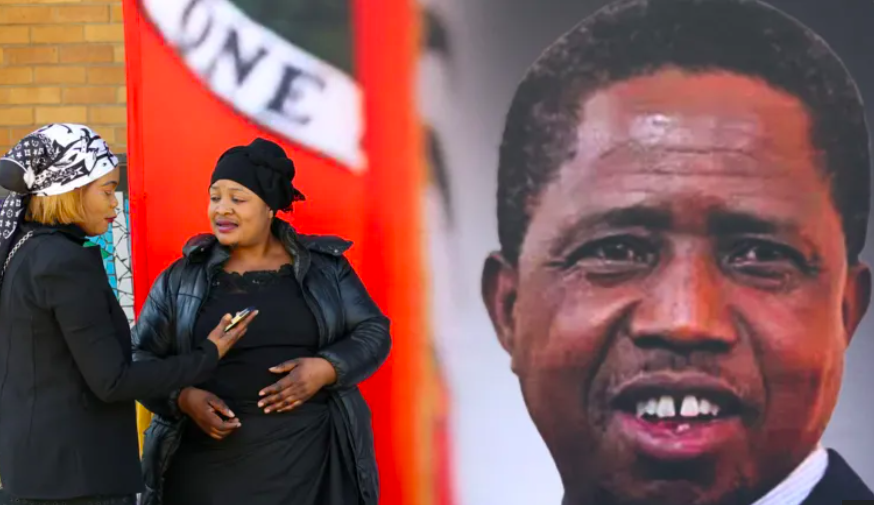
Court Rules Former Zambian President Edgar Lungu Can Be Buried in Zambia Despite Family’s Wishes
A South African high court has ruled that the body of former Zambian President Edgar Lungu can be repatriated to Zambia for a state funeral, despite strong objections from his family—escalating an already emotional and politically sensitive dispute.
Lungu, who died in June at the age of 68 from an undisclosed illness, had been living in South Africa at the time of his death. His family wished to bury him privately there, away from the spotlight and the political tensions that followed his presidency. But Zambia’s government insisted that as a former head of state, his burial was a matter of national importance and should take place on Zambian soil with full state honour’s.
Register for Tekedia Mini-MBA edition 20 (June 8 – Sept 5, 2026).
Register for Tekedia AI in Business Masterclass.
Join Tekedia Capital Syndicate and co-invest in great global startups.
Register for Tekedia AI Lab.
Court Delivers a Divisive Ruling
On Thursday, Judge Aubrey Ledwaba of the Pretoria High Court ruled in favour of the Zambian government, stating it was “entitled to repatriate the body of the late president” and ordering Lungu’s family to “immediately surrender” the remains to authorities.
The verdict was met with visible distress from Lungu’s relatives. His elder sister, Bertha Lungu, wept openly in the courtroom as the ruling was read out. Family members later vowed to challenge the decision, confirming their intention to “appeal against the whole judgment and order.” Until the appeal is heard, Lungu’s remains will remain in South Africa, where they are currently secured in a Pretoria morgue under private protection.

A Nation’s Claim vs. A Family’s Grief
The Zambian government has framed the dispute as one of national identity and respect for public office. Attorney General Mulilo D Kabesha, speaking outside the court, said the ruling was not a political victory but a matter of principle.
“When you are the father of the nation, you can’t restrict yourself to your immediate family,” Kabesha said. “We mourn with the family, but President Lungu belongs to the people of Zambia.”

The government maintains that state funerals for past presidents are a constitutional tradition, serving as both a mark of respect and an opportunity for the public to participate in national mourning.
Political Tensions Behind the Funeral Dispute
The conflict over Lungu’s final resting place is rooted in a long-standing rift between him and his successor, current President Hakainde Hichilema. Lungu led Zambia from 2015 until 2021, when he lost to Hichilema by a wide margin.
Though he initially stepped away from politics after his defeat, Lungu later re-entered the political scene—putting himself back into the orbit of Zambia’s often contentious political battles. His family says he made it clear he did not want Hichilema to attend his funeral, a sentiment they claim influenced their preference for a private burial outside of Zambia.
Relations between the family and the Zambian state initially appeared cooperative. Both sides had agreed Lungu would receive a state funeral in Zambia, but disagreements over the exact arrangements—including the level of government control—led the family to pull back from the agreement and opt for burial in South Africa instead.
Security Around the Remains
The battle over Lungu’s body has already spilled into tense logistical territory. According to BBC sources, private security services have been deployed to protect his remains after multiple unauthorised attempts were made to remove the body from the Pretoria morgue. The exact parties behind those attempts remain unclear, but they underscore the intensity and high stakes surrounding the case.
Until the appeal is resolved, the body will remain under guard—symbolising not just a family’s effort to maintain control, but a government’s determination to fulfil what it sees as its duty.
A Sensitive Precedent
This case sets a complicated precedent for how nations handle the burial of former leaders, especially when family wishes and state protocols collide. While many countries automatically grant state funerals to former heads of state, the level of family involvement varies widely.
Kabesha called the decision a “learning curve” for anyone aspiring to the presidency, implying that public life—and public death—come with obligations that extend beyond personal or family desires. “It’s not a win for the government,” he emphasised. “It’s what makes good sense.”
Remembering Lungu’s Legacy
Edgar Lungu’s political career was marked by both achievement and controversy. Rising from lawyer to defence minister, he became president in 2015 following the death of Michael Sata. He won re-election in 2016 but was defeated in 2021 amid growing public frustration over economic challenges and accusations of corruption.
Supporters remember him as a steady hand during periods of instability, while critics argue that his tenure saw democratic backsliding. Regardless of political opinion, his years in office left a lasting mark on Zambia’s modern history—something his supporters believe justifies the government’s insistence on a state funeral.
The Road Ahead
The family’s appeal could delay the final burial for weeks, if not months. Legal experts say the appeal court will have to weigh both the government’s right to honour a former leader and the family’s rights over his remains.
In the meantime, public debate in Zambia continues to swirl, with some citizens siding with the government’s stance on national respect, while others empathise with the family’s desire for privacy. Social media has been filled with divided commentary, reflecting the deep personal and political layers to the dispute.
What is certain is that the outcome of this case will resonate far beyond Lungu’s burial. It will influence how Zambia—and perhaps other nations—navigate the complex intersection of public duty, political legacy, and private grief when it comes to honouring their leaders in death.
Final Thought:
Edgar Lungu’s final journey home has become as politically charged as his time in office. The tug-of-war between his family’s wishes and the state’s vision for a public farewell speaks to the challenges of reconciling personal dignity with national symbolism. Whether his body ultimately rests in South Africa or Zambia, the debate over his burial has already secured him one more place in the country’s history books—this time, not as a sitting president, but as the subject of a legal and moral battle over what it means to belong to a nation.
Conclusion
The battle over Edgar Lungu’s final resting place has become more than a family matter—it’s a clash between personal wishes and national symbolism. While the Pretoria High Court has sided with the Zambian government’s right to repatriate and honor its former president with a state funeral, the family’s appeal ensures the story is far from over. Until the legal fight is resolved, Lungu’s remains will remain in limbo, symbolising the unresolved tensions between his political legacy and his private life. Whatever the outcome, this dispute will leave a lasting mark on Zambia’s history and set a precedent for how the nation navigates such sensitive decisions in the future.
Meta Description:
A South African court has ruled that former Zambian President Edgar Lungu can be repatriated for a state funeral despite his family’s objections, sparking a legal and political battle over his final resting place.
Share this:
- Click to share on Facebook (Opens in new window) Facebook
- Click to share on X (Opens in new window) X
- Click to share on WhatsApp (Opens in new window) WhatsApp
- Click to share on LinkedIn (Opens in new window) LinkedIn
- Click to email a link to a friend (Opens in new window) Email
- Click to print (Opens in new window) Print