

Czech President Signs Law Criminalising Communist Propaganda in Push for Historical Justice

Quote from Alex Bobby on July 19, 2025, 5:08 AM
Czech President Signs Law Criminalising Communist Propaganda in Historic Legal Shift
In a landmark decision aimed at reconciling with the country’s totalitarian past, Czech President Petr Pavel has signed into law a bill that criminalises the promotion and denial of communist-era crimes, placing them on equal legal footing with Nazi propaganda. The move marks a significant shift in the Czech Republic's legal approach to historical memory, justice, and accountability.
The new law, approved by parliament earlier this year and signed by President Pavel this week, targets public expressions that glorify, justify, or deny crimes committed under the former Czechoslovak communist regime. It introduces criminal penalties for individuals who actively promote the ideology in a way that diminishes or trivialises its documented human rights abuses.
A Step Toward Historical Balance
The legal change comes in response to longstanding calls from Czech institutions and civil society groups, including the Institute for the Study of Totalitarian Regimes, which has advocated for correcting what it calls an imbalance in the country’s legal framework.
Under existing law, the Czech Republic has long prohibited the denial or glorification of Nazi crimes, particularly those committed during World War II. However, there had been no equivalent statute addressing the atrocities of the communist period, despite extensive documentation of political repression, forced labor camps, extrajudicial killings, and the suppression of civil liberties.
For many, especially victims and families of those persecuted during the communist era, the absence of legal recognition for these crimes felt like a gaping historical omission.
“The crimes of communism should not be forgotten, nor should they be excused or downplayed,” President Pavel said during the signing ceremony. “This law affirms that all totalitarian ideologies—regardless of their political origins—must be held to the same moral and legal standards.”
Legal Details and Implications
The new legislation criminalises the public denial, justification, or praise of crimes committed by the Communist regime in Czechoslovakia from 1948 to 1989. This includes mass surveillance, wrongful imprisonments, torture, and executions carried out by state security services.
Violators could face up to three years in prison, although lighter sentences may be imposed for first-time offenders or those expressing remorse. The law also allows for additional penalties if such expressions are made in public forums, such as through the media, social networks, or at political events.
The legislation draws heavily from precedents in German and Czech law regarding Nazi crimes and genocide denial, aiming to establish a consistent legal approach to all forms of totalitarian propaganda.
Historical Context: A Painful Legacy
The Czech Republic, formerly part of communist Czechoslovakia, endured more than four decades of Soviet-backed rule following the 1948 coup that brought the Communist Party to power. The regime was notorious for its secret police, political trials, censorship, and brutal suppression of dissent.
Though the Velvet Revolution of 1989 peacefully ended communist rule, debates have continued over how best to address the legacy of this dark chapter in Czech history. Many former officials evaded prosecution, and some institutions were slow to release archives or support victims.
Critics of past inaction argue that the failure to fully confront the crimes of the regime has allowed a degree of nostalgia or revisionism to persist in certain corners of Czech society.
This law, supporters say, is an important step toward restoring justice, dignity, and historical truth.
Support and Opposition
The law has received broad backing from the Czech centre-right and liberal political blocs, as well as human rights organisations and advocacy groups for victims of communism.
However, some left-wing politicians and civil liberties groups have expressed concerns about freedom of speech and the potential for misuse of the law. They argue that criminalising political expression—even that which is historically inaccurate or offensive—sets a dangerous precedent.
In response, lawmakers have stressed that the law is narrowly targeted and does not criminalise general leftist views or political speech, but only specific actions that deny or glorify documented crimes.
President Pavel, a former NATO general and outspoken advocate of democracy and transparency, said the law strikes the right balance between free expression and historical accountability. “This is not about silencing debate,” he said, “but about standing up for the victims and ensuring we never forget what was done in the name of ideology.”
A Model for Other Post-Communist States?
With this law, the Czech Republic joins countries like Poland, Lithuania, and Hungary, which have passed similar legislation in recent years to address the crimes of their communist pasts. Analysts say it may serve as a model for other nations still grappling with how to reconcile with totalitarian legacies.
For many Czech citizens, particularly younger generations learning about this history for the first time, the law offers a clearer framework for understanding the nation's struggle for democracy and the sacrifices made along the way.
Looking Forward
As the Czech Republic begins to implement this historic law, the focus will shift to how it is enforced and interpreted in practice. The challenge will lie in maintaining a careful balance between protecting democratic freedoms and ensuring accountability for past atrocities. Looking ahead, this legislation could inspire other post-communist nations to confront their own histories with renewed urgency, while fostering a broader European commitment to remembering and learning from the abuses of totalitarian rule. The Czech Republic now stands at the forefront of that effort—choosing truth over revisionism and justice over silence.
Conclusion
The criminalisation of communist propaganda under Czech law marks a bold step toward addressing decades of historical imbalance. By equating the glorification of communist-era crimes with Nazi propaganda, the Czech Republic is sending a clear message: all forms of totalitarianism deserve equal condemnation. President Petr Pavel’s decision reflects a growing national and regional effort to preserve historical truth, protect democratic values, and honour the victims of political oppression. As the country moves forward, this law serves not only as a legal milestone but as a powerful reminder that justice must never be selective.
Meta Description:
Czech President Petr Pavel signs a landmark law criminalising communist propaganda, equating it with Nazi glorification. The move aims to correct historical imbalance and hold all totalitarian ideologies accountable.
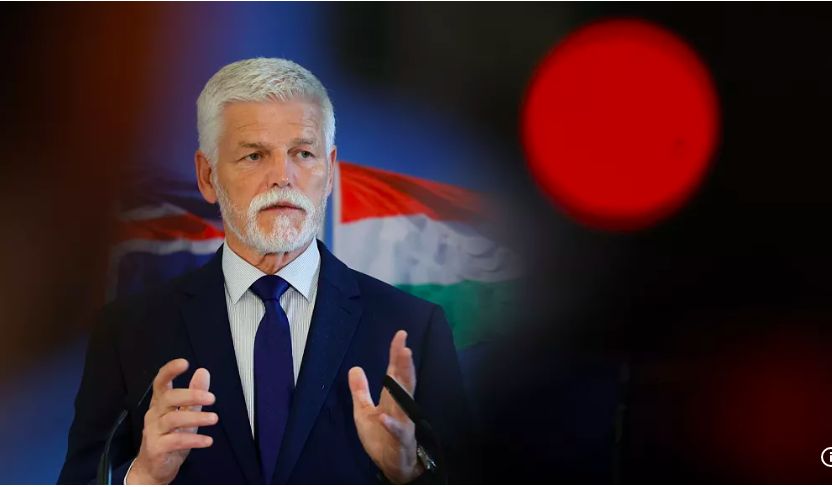
Czech President Signs Law Criminalising Communist Propaganda in Historic Legal Shift
In a landmark decision aimed at reconciling with the country’s totalitarian past, Czech President Petr Pavel has signed into law a bill that criminalises the promotion and denial of communist-era crimes, placing them on equal legal footing with Nazi propaganda. The move marks a significant shift in the Czech Republic's legal approach to historical memory, justice, and accountability.
The new law, approved by parliament earlier this year and signed by President Pavel this week, targets public expressions that glorify, justify, or deny crimes committed under the former Czechoslovak communist regime. It introduces criminal penalties for individuals who actively promote the ideology in a way that diminishes or trivialises its documented human rights abuses.
Register for Tekedia Mini-MBA edition 20 (June 8 – Sept 5, 2026).
Register for Tekedia AI in Business Masterclass.
Join Tekedia Capital Syndicate and co-invest in great global startups.
Register for Tekedia AI Lab.
A Step Toward Historical Balance
The legal change comes in response to longstanding calls from Czech institutions and civil society groups, including the Institute for the Study of Totalitarian Regimes, which has advocated for correcting what it calls an imbalance in the country’s legal framework.
Under existing law, the Czech Republic has long prohibited the denial or glorification of Nazi crimes, particularly those committed during World War II. However, there had been no equivalent statute addressing the atrocities of the communist period, despite extensive documentation of political repression, forced labor camps, extrajudicial killings, and the suppression of civil liberties.

For many, especially victims and families of those persecuted during the communist era, the absence of legal recognition for these crimes felt like a gaping historical omission.
“The crimes of communism should not be forgotten, nor should they be excused or downplayed,” President Pavel said during the signing ceremony. “This law affirms that all totalitarian ideologies—regardless of their political origins—must be held to the same moral and legal standards.”
Legal Details and Implications

The new legislation criminalises the public denial, justification, or praise of crimes committed by the Communist regime in Czechoslovakia from 1948 to 1989. This includes mass surveillance, wrongful imprisonments, torture, and executions carried out by state security services.
Violators could face up to three years in prison, although lighter sentences may be imposed for first-time offenders or those expressing remorse. The law also allows for additional penalties if such expressions are made in public forums, such as through the media, social networks, or at political events.
The legislation draws heavily from precedents in German and Czech law regarding Nazi crimes and genocide denial, aiming to establish a consistent legal approach to all forms of totalitarian propaganda.
Historical Context: A Painful Legacy
The Czech Republic, formerly part of communist Czechoslovakia, endured more than four decades of Soviet-backed rule following the 1948 coup that brought the Communist Party to power. The regime was notorious for its secret police, political trials, censorship, and brutal suppression of dissent.
Though the Velvet Revolution of 1989 peacefully ended communist rule, debates have continued over how best to address the legacy of this dark chapter in Czech history. Many former officials evaded prosecution, and some institutions were slow to release archives or support victims.
Critics of past inaction argue that the failure to fully confront the crimes of the regime has allowed a degree of nostalgia or revisionism to persist in certain corners of Czech society.
This law, supporters say, is an important step toward restoring justice, dignity, and historical truth.
Support and Opposition
The law has received broad backing from the Czech centre-right and liberal political blocs, as well as human rights organisations and advocacy groups for victims of communism.
However, some left-wing politicians and civil liberties groups have expressed concerns about freedom of speech and the potential for misuse of the law. They argue that criminalising political expression—even that which is historically inaccurate or offensive—sets a dangerous precedent.
In response, lawmakers have stressed that the law is narrowly targeted and does not criminalise general leftist views or political speech, but only specific actions that deny or glorify documented crimes.
President Pavel, a former NATO general and outspoken advocate of democracy and transparency, said the law strikes the right balance between free expression and historical accountability. “This is not about silencing debate,” he said, “but about standing up for the victims and ensuring we never forget what was done in the name of ideology.”
A Model for Other Post-Communist States?
With this law, the Czech Republic joins countries like Poland, Lithuania, and Hungary, which have passed similar legislation in recent years to address the crimes of their communist pasts. Analysts say it may serve as a model for other nations still grappling with how to reconcile with totalitarian legacies.
For many Czech citizens, particularly younger generations learning about this history for the first time, the law offers a clearer framework for understanding the nation's struggle for democracy and the sacrifices made along the way.
Looking Forward
As the Czech Republic begins to implement this historic law, the focus will shift to how it is enforced and interpreted in practice. The challenge will lie in maintaining a careful balance between protecting democratic freedoms and ensuring accountability for past atrocities. Looking ahead, this legislation could inspire other post-communist nations to confront their own histories with renewed urgency, while fostering a broader European commitment to remembering and learning from the abuses of totalitarian rule. The Czech Republic now stands at the forefront of that effort—choosing truth over revisionism and justice over silence.
Conclusion
The criminalisation of communist propaganda under Czech law marks a bold step toward addressing decades of historical imbalance. By equating the glorification of communist-era crimes with Nazi propaganda, the Czech Republic is sending a clear message: all forms of totalitarianism deserve equal condemnation. President Petr Pavel’s decision reflects a growing national and regional effort to preserve historical truth, protect democratic values, and honour the victims of political oppression. As the country moves forward, this law serves not only as a legal milestone but as a powerful reminder that justice must never be selective.
Meta Description:
Czech President Petr Pavel signs a landmark law criminalising communist propaganda, equating it with Nazi glorification. The move aims to correct historical imbalance and hold all totalitarian ideologies accountable.
Share this:
- Click to share on Facebook (Opens in new window) Facebook
- Click to share on X (Opens in new window) X
- Click to share on WhatsApp (Opens in new window) WhatsApp
- Click to share on LinkedIn (Opens in new window) LinkedIn
- Click to email a link to a friend (Opens in new window) Email
- Click to print (Opens in new window) Print