

Denmark Leads EU Push for Stronger Online Child Protection Under Digital Services Act

Quote from Alex Bobby on July 16, 2025, 9:17 AM
Denmark Pushes for Stronger Online Protection for Minors Under EU Digital Rules
As concerns over online safety for children continue to grow across Europe, Denmark is stepping up as a leading voice for stronger platform regulations. This month, as it took over the chairmanship of EU digital ministers' meetings, Denmark placed the protection of minors online at the top of its policy agenda — calling for tougher rules and better enforcement under the EU’s Digital Services Act (DSA).
Prioritising Children’s Digital Safety
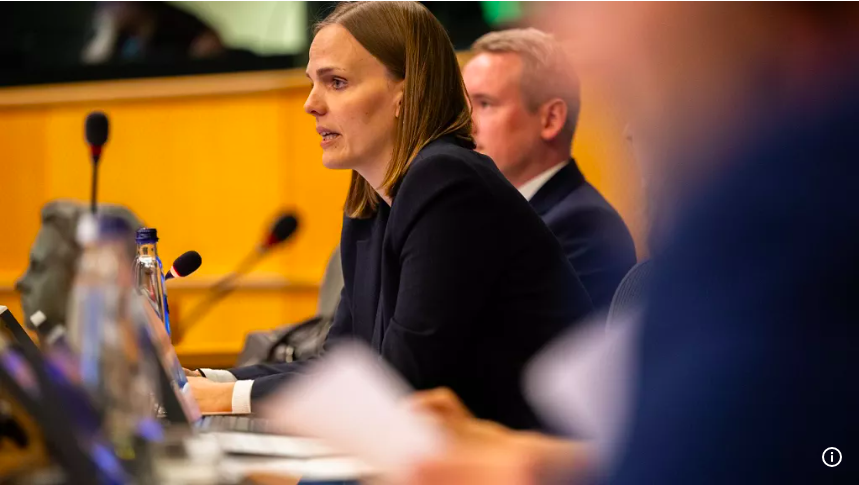
Denmark’s Digital Minister, Caroline Stage Olsen, appeared before the European Parliament’s Internal Market and Consumer Protection (IMCO) committee earlier this week to outline her country’s bold stance. She emphasised Denmark’s intention to use its EU presidency to drive meaningful change in how digital platforms protect minors from online threats like cyberbullying, addictive algorithms, and harmful content.
“I will use the presidency to put this on top of the agenda and set a clear, political ambition that can shape EU policy in the years to come,” said Olsen. “We will try to facilitate discussions to have a stronger legal framework to protect children online.”
This includes support for mandatory age verification tools and other technological safeguards aimed at shielding minors from exploitative platform practices.
EU-Wide Measures in the Works
One of Denmark’s key objectives is to secure a joint declaration among EU member states on the protection of minors online. This political agreement is expected to be discussed at an informal meeting of EU telecom ministers in October and would lay the foundation for coordinated action across the bloc.
Denmark is also planning to host a follow-up workshop in Brussels by year’s end, aimed at furthering the work already initiated by the European Commission on online child safety. The event will allow policymakers, child safety advocates, and tech stakeholders to collaborate on advancing protective measures under the existing digital rulebook.
The Digital Services Act: A Work in Progress
The Digital Services Act (DSA), which came into force in 2023, sets out a comprehensive legal framework to curb the spread of illegal content, ensure transparency in digital advertising, and protect users — particularly vulnerable groups like minors — from harmful material. However, Denmark and several other EU countries believe the DSA’s current implementation lacks the necessary teeth when it comes to platform accountability and enforcement.
To address this gap, the European Commission recently issued guidance to online platforms detailing how they should comply with child protection provisions under the DSA. The recommendations include:
- Reducing addictive design features that may cause children to stay online longer than intended.
- Preventing and addressing cyberbullying through moderation tools and safer content curation.
Minimising the exposure of children to harmful or age-inappropriate content.
These guidelines come amid a wave of investigations launched by the Commission into major tech platforms suspected of breaching DSA rules — particularly around child safety. In 2023, the EU opened probes into Meta’s Facebook and Instagram, over concerns that their algorithms might fuel behavioural addiction in minors and encourage “rabbit-hole” effects, where users are continuously nudged toward more extreme content.
Digital Fairness Act and Mandatory Age Checks
Looking to the future, Denmark has expressed strong support for the upcoming Digital Fairness Act, another key EU initiative still in development. Olsen stated that her government would push for the legislation to include mandatory age verification requirements, among other stronger safeguards for children.
Such tools are controversial — often raising concerns around privacy and data collection — but are increasingly seen as necessary to create a safer digital environment for underage users. Many tech platforms currently rely on self-declared age input or weak enforcement measures that are easy for children to bypass.
A Unified EU Strategy for the Next Generation
Denmark’s push comes at a time when digital harm to minors is becoming more visible and more urgent. From rising cases of teen anxiety and depression linked to social media use, to growing awareness of how algorithmic content delivery can shape young minds, governments across Europe are recognising the need for swift, collective action.
The Danish chairmanship aims to galvanise EU-wide political momentum around this issue. By calling for a joint declaration, supporting legislation like the Digital Fairness Act, and hosting follow-up workshops, Denmark hopes to leave a legacy that prioritises children’s well-being over digital profits.
As the EU navigates the complex balance between innovation and regulation, Denmark’s leadership signals a powerful shift toward putting child protection at the centre of digital policy. If successful, this could lead to stronger enforcement, clearer obligations for tech platforms, and ultimately, a safer online world for future generations.
Conclusion
Denmark’s push for stronger online protections marks a pivotal step in prioritising children's safety across the EU. With bold leadership and a clear agenda, the country is setting the stage for a safer, more responsible digital future for Europe’s youngest users.
Meta Description:
Denmark calls for stricter enforcement of the EU Digital Services Act and new rules to protect minors online, focusing on age verification, harmful content, and addictive platform design. Learn more about the push for safer digital spaces for children.
Denmark Pushes for Stronger Online Protection for Minors Under EU Digital Rules
As concerns over online safety for children continue to grow across Europe, Denmark is stepping up as a leading voice for stronger platform regulations. This month, as it took over the chairmanship of EU digital ministers' meetings, Denmark placed the protection of minors online at the top of its policy agenda — calling for tougher rules and better enforcement under the EU’s Digital Services Act (DSA).
Prioritising Children’s Digital Safety
Register for Tekedia Mini-MBA edition 20 (June 8 – Sept 5, 2026).
Register for Tekedia AI in Business Masterclass.
Join Tekedia Capital Syndicate and co-invest in great global startups.
Register for Tekedia AI Lab.
Denmark’s Digital Minister, Caroline Stage Olsen, appeared before the European Parliament’s Internal Market and Consumer Protection (IMCO) committee earlier this week to outline her country’s bold stance. She emphasised Denmark’s intention to use its EU presidency to drive meaningful change in how digital platforms protect minors from online threats like cyberbullying, addictive algorithms, and harmful content.
“I will use the presidency to put this on top of the agenda and set a clear, political ambition that can shape EU policy in the years to come,” said Olsen. “We will try to facilitate discussions to have a stronger legal framework to protect children online.”
This includes support for mandatory age verification tools and other technological safeguards aimed at shielding minors from exploitative platform practices.

EU-Wide Measures in the Works
One of Denmark’s key objectives is to secure a joint declaration among EU member states on the protection of minors online. This political agreement is expected to be discussed at an informal meeting of EU telecom ministers in October and would lay the foundation for coordinated action across the bloc.
Denmark is also planning to host a follow-up workshop in Brussels by year’s end, aimed at furthering the work already initiated by the European Commission on online child safety. The event will allow policymakers, child safety advocates, and tech stakeholders to collaborate on advancing protective measures under the existing digital rulebook.

The Digital Services Act: A Work in Progress
The Digital Services Act (DSA), which came into force in 2023, sets out a comprehensive legal framework to curb the spread of illegal content, ensure transparency in digital advertising, and protect users — particularly vulnerable groups like minors — from harmful material. However, Denmark and several other EU countries believe the DSA’s current implementation lacks the necessary teeth when it comes to platform accountability and enforcement.
To address this gap, the European Commission recently issued guidance to online platforms detailing how they should comply with child protection provisions under the DSA. The recommendations include:
- Reducing addictive design features that may cause children to stay online longer than intended.
- Preventing and addressing cyberbullying through moderation tools and safer content curation.
Minimising the exposure of children to harmful or age-inappropriate content.
These guidelines come amid a wave of investigations launched by the Commission into major tech platforms suspected of breaching DSA rules — particularly around child safety. In 2023, the EU opened probes into Meta’s Facebook and Instagram, over concerns that their algorithms might fuel behavioural addiction in minors and encourage “rabbit-hole” effects, where users are continuously nudged toward more extreme content.
Digital Fairness Act and Mandatory Age Checks
Looking to the future, Denmark has expressed strong support for the upcoming Digital Fairness Act, another key EU initiative still in development. Olsen stated that her government would push for the legislation to include mandatory age verification requirements, among other stronger safeguards for children.
Such tools are controversial — often raising concerns around privacy and data collection — but are increasingly seen as necessary to create a safer digital environment for underage users. Many tech platforms currently rely on self-declared age input or weak enforcement measures that are easy for children to bypass.
A Unified EU Strategy for the Next Generation
Denmark’s push comes at a time when digital harm to minors is becoming more visible and more urgent. From rising cases of teen anxiety and depression linked to social media use, to growing awareness of how algorithmic content delivery can shape young minds, governments across Europe are recognising the need for swift, collective action.
The Danish chairmanship aims to galvanise EU-wide political momentum around this issue. By calling for a joint declaration, supporting legislation like the Digital Fairness Act, and hosting follow-up workshops, Denmark hopes to leave a legacy that prioritises children’s well-being over digital profits.
As the EU navigates the complex balance between innovation and regulation, Denmark’s leadership signals a powerful shift toward putting child protection at the centre of digital policy. If successful, this could lead to stronger enforcement, clearer obligations for tech platforms, and ultimately, a safer online world for future generations.
Conclusion
Denmark’s push for stronger online protections marks a pivotal step in prioritising children's safety across the EU. With bold leadership and a clear agenda, the country is setting the stage for a safer, more responsible digital future for Europe’s youngest users.
Meta Description:
Denmark calls for stricter enforcement of the EU Digital Services Act and new rules to protect minors online, focusing on age verification, harmful content, and addictive platform design. Learn more about the push for safer digital spaces for children.
Share this:
- Click to share on Facebook (Opens in new window) Facebook
- Click to share on X (Opens in new window) X
- Click to share on WhatsApp (Opens in new window) WhatsApp
- Click to share on LinkedIn (Opens in new window) LinkedIn
- Click to email a link to a friend (Opens in new window) Email
- Click to print (Opens in new window) Print