

Dozens Dead After Niger State Boat Capsizes: Renewed Calls for Safety on Nigerian Waterways

Quote from Alex Bobby on September 5, 2025, 3:36 AM
Dozens Die After Boat Hits Tree Stump in Nigerian River: A Tragedy That Demands Action
At least 32 people have been confirmed dead after a boat carrying more than 100 passengers capsized in northern Nigeria’s Niger state. The incident, which occurred on Tuesday morning in the Borgu area of the River Niger, has once again highlighted the dangers of water transportation in the country and the urgent need for stricter safety measures.
According to reports, the boat struck a submerged tree stump, throwing its passengers—many of whom were women and children—into the river. The travellers were en route to a nearby village to pay their respects to a bereaved family when tragedy struck.
Officials say over 50 passengers were rescued, while at least eight remain missing as search operations continue. Abdullahi Baba Ara, spokesman for the National Emergency Management Agency (NEMA) in Niger state, confirmed the casualty figures in an interview with BBC Hausa on Thursday. He added that the government has established a team of "water marshals" tasked with monitoring boat operators, preventing overloading, and enforcing the use of life jackets.
“Perhaps the water marshals were not on duty when this boat took off,” Ara said, adding that an investigation into the cause of the accident had begun.
Eyewitness Accounts Paint a Grim Picture
Local leaders who rushed to the scene described a chaotic rescue operation. District head Sa’adu Inuwa Muhammad told Reuters that he was present at the site from noon until late afternoon.
“The boat carried more than 100 people. We were able to recover 31 corpses from the river. The boat was also recovered and removed,” he said.
Witnesses noted that many of the passengers could not swim and lacked life jackets, significantly worsening the scale of the disaster.
A Recurring Tragedy in Nigeria’s Waterways
Unfortunately, boat accidents like this one are far from rare in Nigeria. Overloading, poor enforcement of safety regulations, and inadequate infrastructure continue to plague the country’s river transport system.
Just last month, another boat accident in Sokoto state left at least 25 people missing. In December 2023, 54 bodies were recovered after a boat capsized on the River Niger, reportedly carrying over 200 passengers. These repeated incidents have fuelled calls for comprehensive reform in water transport safety.
Nigeria’s waterways, particularly in states like Niger, Sokoto, and Kwara, are vital to local communities. Many residents depend on boats as the fastest and most affordable means of traveling between villages. However, the lack of strict regulation, combined with economic pressures on operators to maximise passenger loads, has turned these journeys into recurring death traps.
Government Efforts to Improve Safety
The Nigerian government has, in recent years, announced a series of measures aimed at preventing boat mishaps.
- In February, the Minister of Marine and Blue Economy, Adegboyega Oyetola, inaugurated a Special Committee on the Prevention of Boat Mishaps in Nigeria.
- By May, the ministry pledged to distribute 42,000 life jackets across 12 riverine states most prone to accidents.
- Later that month, the National Inland Water Ways Authority (NIWA) launched safety campaigns under the slogans “No Life Jacket, No Travel” and “No Night Travelling” in states such as Niger and Kwara.
These initiatives, while promising on paper, appear to be falling short in practical enforcement. The fact that dozens of passengers on the ill-fated Borgu boat were traveling without life jackets raises questions about how effectively these policies are being implemented at the grassroots level.
Why Boat Accidents Persist
Several factors contribute to the recurring tragedies on Nigeria’s rivers:
- Overloading – Many operators overload their boats in a bid to maximise profit, often carrying double or triple the safe capacity.
- Lack of Safety Gear – Despite government directives, life jackets are often unavailable, unaffordable, or ignored by passengers.
- Poorly Maintained Boats – Many vessels are old, damaged, or constructed with substandard materials, increasing the risk of accidents.
- Environmental Hazards – Submerged tree stumps, sandbanks, and unpredictable currents pose constant threats, especially when boats lack modern navigation tools.
- Weak Regulation – Authorities often lack the resources or political will to enforce safety rules consistently across Nigeria’s vast waterways.
A Call for Urgent Change
The tragedy in Niger state is not just another number in the long list of boat mishaps—it is a sobering reminder of the human cost of neglect. Dozens of families are now grieving the loss of their loved ones, many of them women and children who had simply set out to honour the dead in a neighbouring village.
Preventing such disasters will require more than well-meaning committees and safety campaigns. It demands:
- Strict enforcement of existing laws, including penalties for operators who overload their boats or allow passengers to travel without life jackets.
- Increased funding for local safety marshals and better monitoring of waterways.
- Community-level awareness campaigns to encourage passengers themselves to demand safety compliance.
- Investment in modern boat technology to replace aging vessels with safer, more reliable alternatives.
Looking Forward
As investigations continue into the Borgu boat disaster, the focus must shift from reaction to prevention. The Nigerian government’s promises—ranging from distributing life jackets to deploying water marshals—must translate into consistent enforcement on the ground. Communities, too, have a role to play in demanding safer practices from boat operators and refusing to travel without protective gear.
With stronger regulations, better-equipped boats, and a culture of safety, Nigeria’s waterways could evolve from danger zones into reliable transport routes that foster trade, connectivity, and peace of mind. The tragedy on the River Niger should serve as the turning point where lessons are finally acted upon, ensuring that future journeys are safer and free from unnecessary loss of life.
Final Thoughts
The Niger State boat tragedy is more than a statistic—it is a heartbreaking reminder of the fragility of life and the consequences of neglecting safety. As families mourn their loved ones, Nigeria is once again confronted with the urgent need to overhaul its water transport system. Enforcing life jacket use, regulating passenger loads, and maintaining boats are not luxuries—they are necessities that can save lives.
If the government, operators, and communities work together, waterways that have too often become sites of sorrow can be transformed into safe channels of connection and progress. Each life lost on the River Niger is a call to action, and the time to answer that call is now.
Conclusion
The sinking of the Borgu boat is another dark chapter in Nigeria’s troubled history of waterway accidents. As search teams continue to look for the missing, the country must reckon with the urgent need to make its rivers safer. The government’s ongoing initiatives must move beyond announcements and be enforced with consistency, transparency, and accountability.
Until then, Nigerians who rely on waterways for daily life and travel will remain vulnerable to tragedies that are both predictable and preventable.
The River Niger should be a source of connection and livelihood—not a graveyard for avoidable deaths.
Meta Description:
At least 32 people died after an overloaded boat capsized on the River Niger in Niger State. With dozens rescued and several missing, the tragedy highlights Nigeria’s recurring boat accidents, weak safety enforcement, and urgent need for reform.
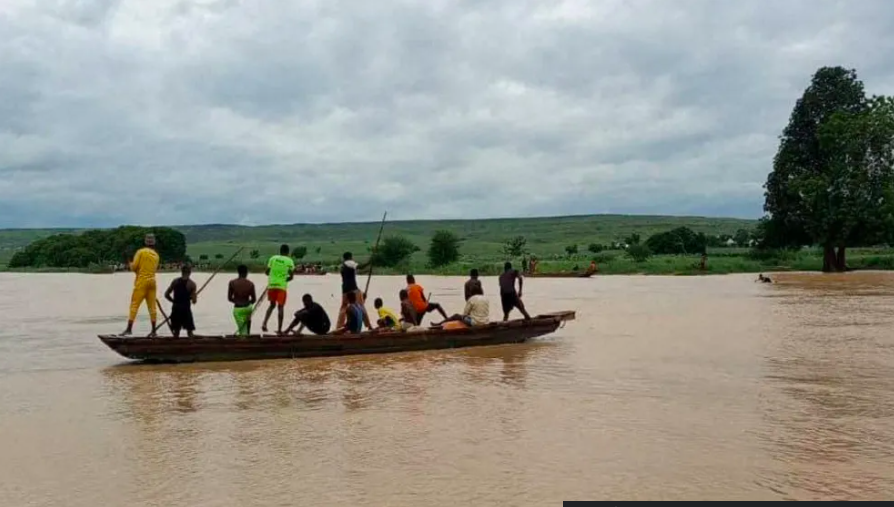
Dozens Die After Boat Hits Tree Stump in Nigerian River: A Tragedy That Demands Action
At least 32 people have been confirmed dead after a boat carrying more than 100 passengers capsized in northern Nigeria’s Niger state. The incident, which occurred on Tuesday morning in the Borgu area of the River Niger, has once again highlighted the dangers of water transportation in the country and the urgent need for stricter safety measures.
According to reports, the boat struck a submerged tree stump, throwing its passengers—many of whom were women and children—into the river. The travellers were en route to a nearby village to pay their respects to a bereaved family when tragedy struck.
Register for Tekedia Mini-MBA edition 20 (June 8 – Sept 5, 2026).
Register for Tekedia AI in Business Masterclass.
Join Tekedia Capital Syndicate and co-invest in great global startups.
Register for Tekedia AI Lab.
Officials say over 50 passengers were rescued, while at least eight remain missing as search operations continue. Abdullahi Baba Ara, spokesman for the National Emergency Management Agency (NEMA) in Niger state, confirmed the casualty figures in an interview with BBC Hausa on Thursday. He added that the government has established a team of "water marshals" tasked with monitoring boat operators, preventing overloading, and enforcing the use of life jackets.
“Perhaps the water marshals were not on duty when this boat took off,” Ara said, adding that an investigation into the cause of the accident had begun.
Eyewitness Accounts Paint a Grim Picture

Local leaders who rushed to the scene described a chaotic rescue operation. District head Sa’adu Inuwa Muhammad told Reuters that he was present at the site from noon until late afternoon.
“The boat carried more than 100 people. We were able to recover 31 corpses from the river. The boat was also recovered and removed,” he said.
Witnesses noted that many of the passengers could not swim and lacked life jackets, significantly worsening the scale of the disaster.

A Recurring Tragedy in Nigeria’s Waterways
Unfortunately, boat accidents like this one are far from rare in Nigeria. Overloading, poor enforcement of safety regulations, and inadequate infrastructure continue to plague the country’s river transport system.
Just last month, another boat accident in Sokoto state left at least 25 people missing. In December 2023, 54 bodies were recovered after a boat capsized on the River Niger, reportedly carrying over 200 passengers. These repeated incidents have fuelled calls for comprehensive reform in water transport safety.
Nigeria’s waterways, particularly in states like Niger, Sokoto, and Kwara, are vital to local communities. Many residents depend on boats as the fastest and most affordable means of traveling between villages. However, the lack of strict regulation, combined with economic pressures on operators to maximise passenger loads, has turned these journeys into recurring death traps.
Government Efforts to Improve Safety
The Nigerian government has, in recent years, announced a series of measures aimed at preventing boat mishaps.
- In February, the Minister of Marine and Blue Economy, Adegboyega Oyetola, inaugurated a Special Committee on the Prevention of Boat Mishaps in Nigeria.
- By May, the ministry pledged to distribute 42,000 life jackets across 12 riverine states most prone to accidents.
- Later that month, the National Inland Water Ways Authority (NIWA) launched safety campaigns under the slogans “No Life Jacket, No Travel” and “No Night Travelling” in states such as Niger and Kwara.
These initiatives, while promising on paper, appear to be falling short in practical enforcement. The fact that dozens of passengers on the ill-fated Borgu boat were traveling without life jackets raises questions about how effectively these policies are being implemented at the grassroots level.
Why Boat Accidents Persist
Several factors contribute to the recurring tragedies on Nigeria’s rivers:
- Overloading – Many operators overload their boats in a bid to maximise profit, often carrying double or triple the safe capacity.
- Lack of Safety Gear – Despite government directives, life jackets are often unavailable, unaffordable, or ignored by passengers.
- Poorly Maintained Boats – Many vessels are old, damaged, or constructed with substandard materials, increasing the risk of accidents.
- Environmental Hazards – Submerged tree stumps, sandbanks, and unpredictable currents pose constant threats, especially when boats lack modern navigation tools.
- Weak Regulation – Authorities often lack the resources or political will to enforce safety rules consistently across Nigeria’s vast waterways.
A Call for Urgent Change
The tragedy in Niger state is not just another number in the long list of boat mishaps—it is a sobering reminder of the human cost of neglect. Dozens of families are now grieving the loss of their loved ones, many of them women and children who had simply set out to honour the dead in a neighbouring village.
Preventing such disasters will require more than well-meaning committees and safety campaigns. It demands:
- Strict enforcement of existing laws, including penalties for operators who overload their boats or allow passengers to travel without life jackets.
- Increased funding for local safety marshals and better monitoring of waterways.
- Community-level awareness campaigns to encourage passengers themselves to demand safety compliance.
- Investment in modern boat technology to replace aging vessels with safer, more reliable alternatives.
Looking Forward
As investigations continue into the Borgu boat disaster, the focus must shift from reaction to prevention. The Nigerian government’s promises—ranging from distributing life jackets to deploying water marshals—must translate into consistent enforcement on the ground. Communities, too, have a role to play in demanding safer practices from boat operators and refusing to travel without protective gear.
With stronger regulations, better-equipped boats, and a culture of safety, Nigeria’s waterways could evolve from danger zones into reliable transport routes that foster trade, connectivity, and peace of mind. The tragedy on the River Niger should serve as the turning point where lessons are finally acted upon, ensuring that future journeys are safer and free from unnecessary loss of life.
Final Thoughts
The Niger State boat tragedy is more than a statistic—it is a heartbreaking reminder of the fragility of life and the consequences of neglecting safety. As families mourn their loved ones, Nigeria is once again confronted with the urgent need to overhaul its water transport system. Enforcing life jacket use, regulating passenger loads, and maintaining boats are not luxuries—they are necessities that can save lives.
If the government, operators, and communities work together, waterways that have too often become sites of sorrow can be transformed into safe channels of connection and progress. Each life lost on the River Niger is a call to action, and the time to answer that call is now.
Conclusion
The sinking of the Borgu boat is another dark chapter in Nigeria’s troubled history of waterway accidents. As search teams continue to look for the missing, the country must reckon with the urgent need to make its rivers safer. The government’s ongoing initiatives must move beyond announcements and be enforced with consistency, transparency, and accountability.
Until then, Nigerians who rely on waterways for daily life and travel will remain vulnerable to tragedies that are both predictable and preventable.
The River Niger should be a source of connection and livelihood—not a graveyard for avoidable deaths.
Meta Description:
At least 32 people died after an overloaded boat capsized on the River Niger in Niger State. With dozens rescued and several missing, the tragedy highlights Nigeria’s recurring boat accidents, weak safety enforcement, and urgent need for reform.
Share this:
- Click to share on Facebook (Opens in new window) Facebook
- Click to share on X (Opens in new window) X
- Click to share on WhatsApp (Opens in new window) WhatsApp
- Click to share on LinkedIn (Opens in new window) LinkedIn
- Click to email a link to a friend (Opens in new window) Email
- Click to print (Opens in new window) Print